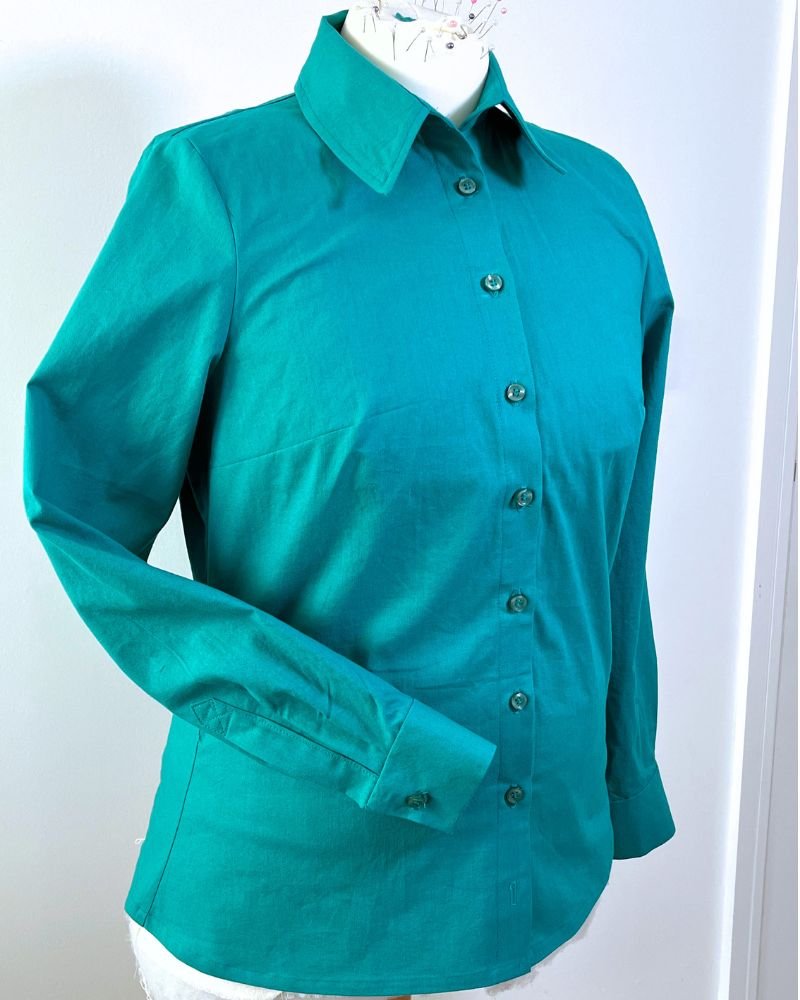
Sewing a shirt can feel overwhelming when you look at all the individual steps separately. There are collars, sleeve plackets, cuffs, button stands, buttonholes, sleeves, hems and a surprising number of small details that all need to come together cleanly.
When I first started sewing shirts from self-drafted patterns, I used to think the difficult part was the drafting itself. In reality, the sewing order and construction methods make the biggest difference to how professional the finished shirt looks. Once I refined the sequence and techniques I used, shirt sewing became far more predictable and much less frustrating.
This shirt sewing series brings all the individual tutorials together into one complete workflow so you can move through the process step by step without second guessing what comes next.
Whether you are sewing your first button-up shirt or improving your finishing techniques, this guide will walk you through the full construction order while linking you to the detailed tutorials for each stage.
What You Will Learn in This Shirt Sewing Series
In this complete shirt sewing guide, you will learn how to:
- Cut and trace shirt pattern pieces accurately
- Sew darts for shaping
- Construct a shirt button stand
- Sew shoulder seams cleanly
- Construct and attach a collar and collar stand
- Sew a shirt sleeve placket
- Attach sleeves using different methods
- Sew shirt cuffs neatly
- Hem a shirt professionally
- Add machine sewn buttonholes and buttons
This tutorial acts as the central hub for the entire shirt sewing process, so you can return to it whenever you need the next step.
Stop by Step of Sewing a Classic Shirt
Step 1: Cut and Trace All Shirt Pattern Pieces
Every well-sewn shirt starts with accurate preparation.
Before touching the sewing machine, I recommend carefully cutting and tracing all your pattern pieces first. This sounds basic, but it has a major effect on the final fit and how smoothly the sewing process goes.
My self drafted pattern pieces do not include any seam allowance, so I add them at this stage. This gives me flexibility to reuse the same base shirt pattern on different weight fabrics and styles as well as test different seam allowances or reuse the same base block for multiple shirt variations. However, remember that your hem will need a different seams allowance width to the rest of the shirt. I have made this mistake countless of times where I add 1 cm seam allowance to the hem, later to realise it makes the shirt too short.
At this stage, make sure you:
- Transfer all notches and balance marks
- Mark dart legs and dart points clearly
- Label sleeve fronts and backs
- Mark collar and collar stand pieces carefully
- Add interfacing markings where needed
- Check grainlines before cutting fabric
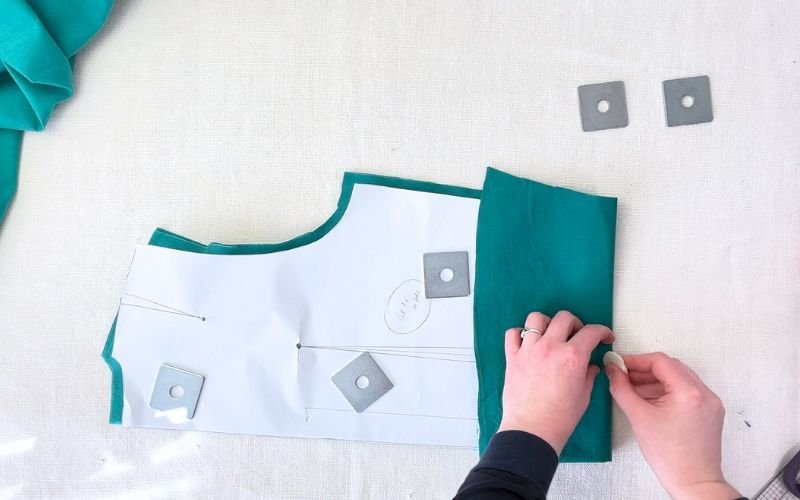
If you followed my shirt drafting series, for this shirt you should have traced and cut:
- 2 front pieces + interfacing for buttonstand
- 1 back piece cut on fold
- 2 collar stands + 1 interfacing
- 2 collar pieces + 1 interfacing
- 2 sleeves
- 2 cuffs + 2 x half sized interfacings
- 2 sleeve plackets
If you are sewing from a self-drafted pattern, this preparation stage is even more important because small inaccuracies compound later during collar attachment or sleeve insertion.
Step 2: Sew the Shirt Button Stand
The button stand is one of the most visually important parts of a shirt.
Even if the collar and sleeves are beautifully sewn, an uneven button stand immediately draws attention. That is why I prefer sewing the button stand early in the process before the garment becomes bulky.
At this stage, sew the button stand but do not add the buttonholes or buttons yet.
Leaving the buttons until the end prevents distortion during construction and allows you to make final placement decisions after the shirt is fully assembled.
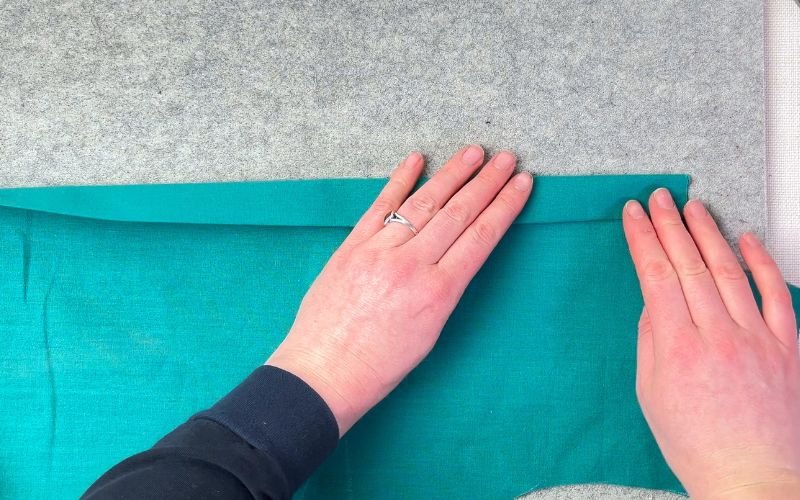
Depending on the style of shirt you are sewing, you may use:
- A standard button stand placket
- A grown-on button stand
- A concealed button stand
Each method creates a different visual finish, but the construction principles remain similar.
Accuracy in folding and pressing matters here. Small inconsistencies become very noticeable once buttons are attached.
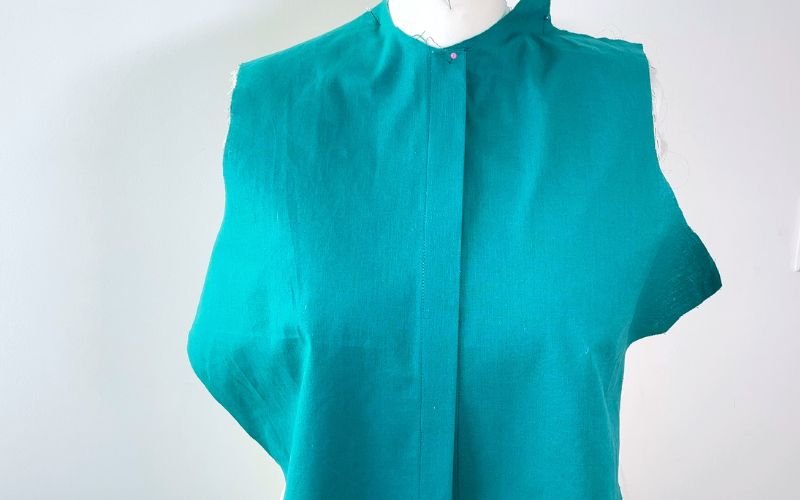
One thing I learned over time is that careful measuring saves more time than trying to correct a crooked button stand later.
Step 3: Sew the Shirt Darts
Once the shirt pieces are prepared and button stand completed, I move straight into sewing the darts.
Darts shape the shirt around the body and help remove excess fabric while maintaining comfort and movement. Even relaxed shirts benefit from subtle shaping because it prevents the garment from looking bulky or poorly fitted.
When sewing darts, precision matters more than speed. In how to sew darts I explain in detail how to achieve a perfectly aligned dart that matches up with the traced shape.
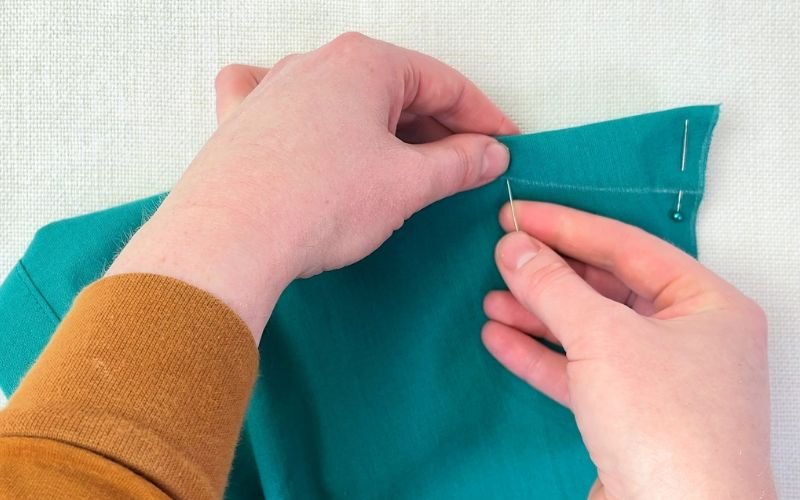
I sew from the wider dart opening toward the dart point, gradually tapering off, and usually backstitching at the tip. Typically tying the thread tails by hand can create a smoother finish and avoids puckering. However, over time I have devised a method that creates smooth dart tips even with a backstitching and I share it in how to sew darts. This method works well on a structured cotton and linen fabrics but the lightweight voiles and rayons will benefit from a tied off tails.
Pressing also makes a significant difference here.
Many beginner-made garments look homemade not because the sewing is poor, but because the pressing is rushed or completely omitted. Press each dart carefully before moving to the next construction step.
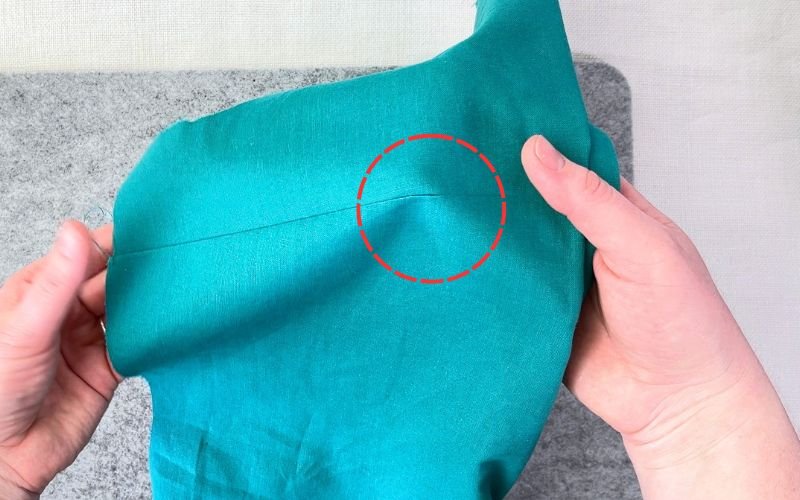
Step 4: Sew the Shoulder Seams
After the shirt front details are complete, sew the shoulder seams.
At this point, the shirt starts to look like an actual garment instead of separate pieces of fabric.
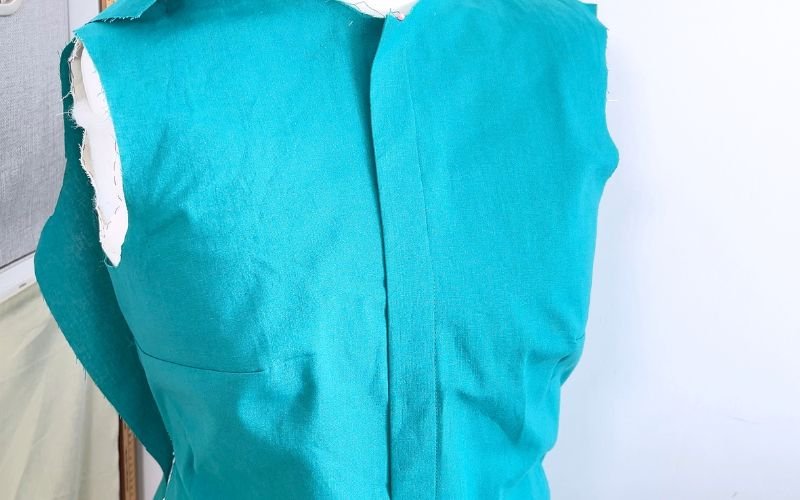
Depending on the fabric and shirt style, you can finish the seams using:
- A serger or overlocker
- French seams
- Flat-felled seams
- Bias-bound seams
I discuss thee options in Different Types of Seam Finishes That Look Professional.
For classic shirts, flat-felled seams create a durable professional finish, although they take more time. I usually go for an overlocker finish as that is quicker, unless I am working with lightweight rayon or voile. For these I prefer French seams for all visible seams.
Step 5: Construct and Attach the Collar and Collar Stand
This is the stage many sewists find intimidating.
Collars require precision, but once you understand the sequence, the process becomes much easier. In how to attach collar stand I go through the steps to avoid that uneven bump at the collar stand and button stand transition point.
I recommend fully constructing the collar first before attaching it to the collar stand. Taking time to trim corners carefully and press thoroughly gives a much sharper result.
When attaching the collar stand to the neckline, matching centre fronts and neckline notches accurately helps keep the collar balanced. You can eliminate that bulky corner at the centre front if you carefully align the collar stand with buttons and edge. I explain this method further in how to attach and sew shirt collar.

One detail that improves the final finish significantly is grading the seam allowances. Reducing bulk inside the collar stand helps the collar sit flatter against the neckline.
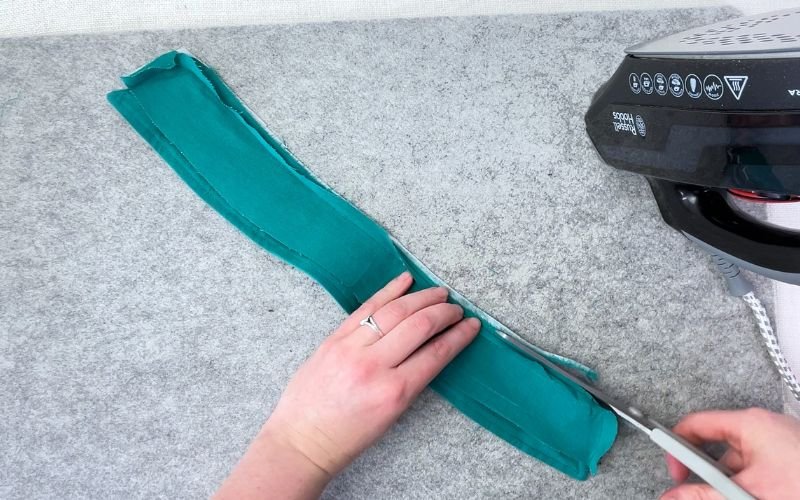
This is also one of those steps where pressing after every seam genuinely changes the outcome.
Step 6: Sew the Shirt Sleeve Placket
The sleeve placket is often treated as an advanced sewing technique, but it becomes manageable once you break it down into smaller steps.
This stage requires patience more than difficulty.
I usually sew the sleeve plackets before attaching the sleeves to the shirt because the sleeve pieces are still flat and easier to handle.
Careful clipping at the placket opening is essential. Clipping too little creates pulling, while clipping too far can weaken the seam.
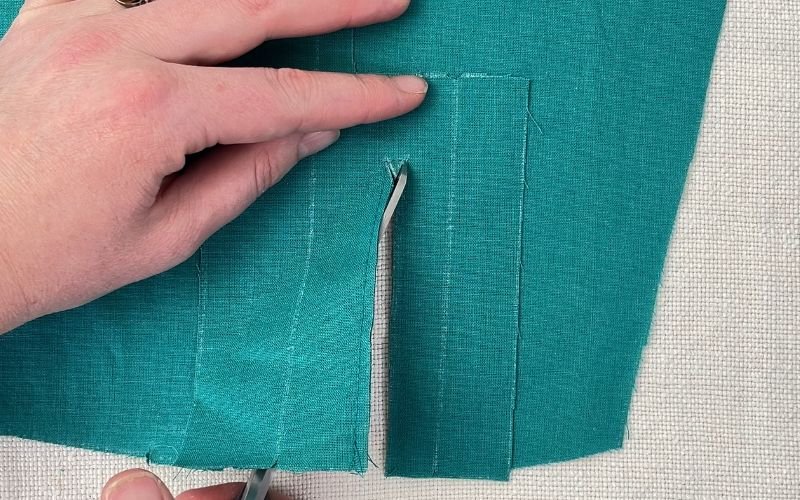
This is also a step where pressing repeatedly during construction helps create cleaner edges and sharper folds.
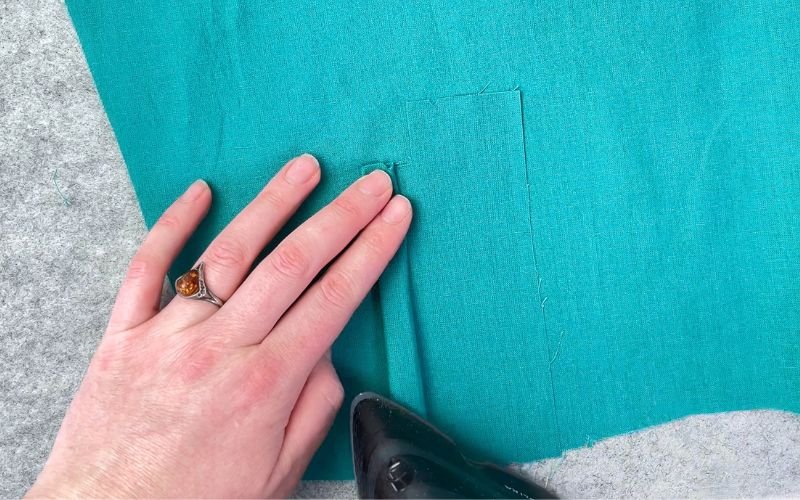
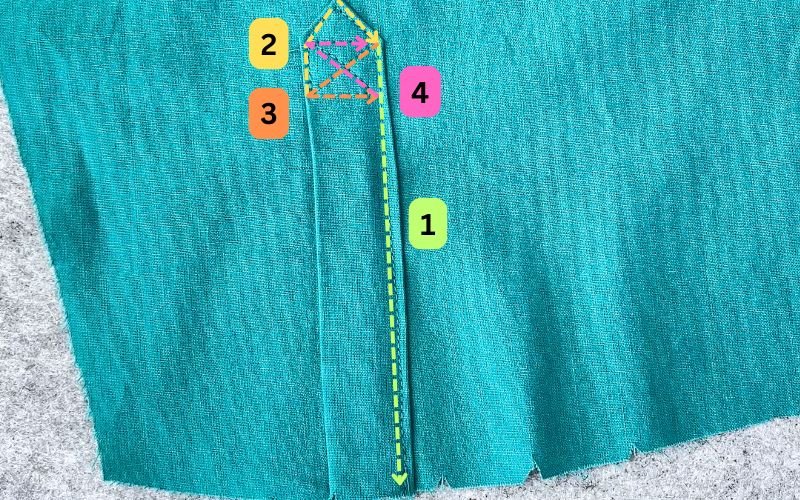
If your first sleeve placket is not perfect, do not judge your sewing ability based on that alone. Sleeve plackets improve dramatically with repetition. In how to attach sleeve placket, I provide the diagram on how to sew the placket for a professional finish.
Step 7: Attach the Sleeves
Once the sleeve plackets are complete, the sleeves can be attached.
There are several ways to sew shirt sleeves, and different methods work better depending on the fabric, sleeve shape and amount of ease.
Traditionally, shirt sleeves are sewn into a closed armhole after the side seams are sewn. However, sleeves can also be sewn flat before the side seams are closed. This is my preffered shirt construction methods because the fabric remains easier to manipulate while flat. I discuss each method in more detail in my sleeve sewing tutorial.
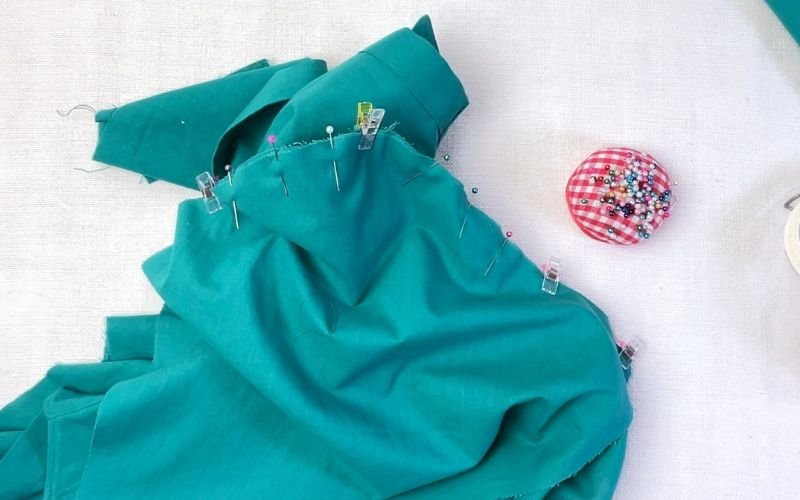
When I first started sewing sleeves, I constantly struggled with puckering around the sleeve crown. Over time, I realised the problem was usually caused by too much seam allowance. For this reason, I use 1 cm seam allowance for all the curved edges.
Before sewing, match the sleeve notches carefully and check that the sleeve is facing the right way. Sew slowly around the sleeve cap and avoid pulling the fabric through the machine. After sewing, press the sleeve head carefully to help the seam settle smoothly.
Step 8: Attach the Cuffs
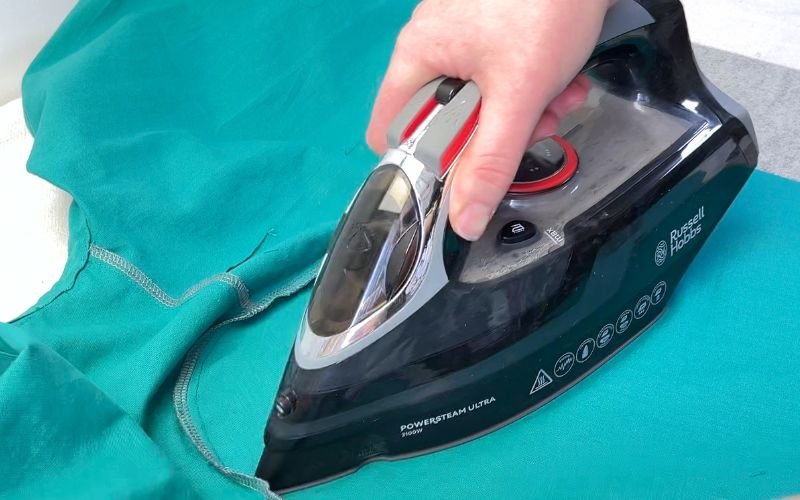
Once the sleeves are attached, the cuffs can be sewn.
Shirt cuffs are one of the most noticeable details on a finished shirt, so careful pressing and accurate topstitching make a big difference to the final result.
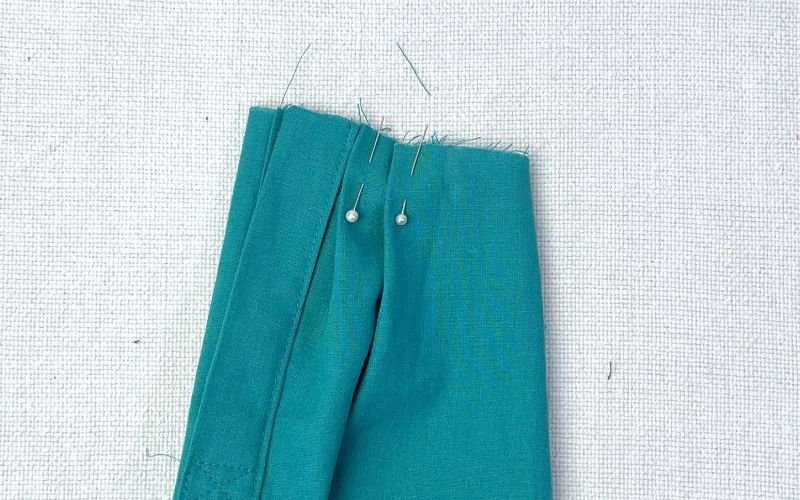
Before attaching the cuffs, the sleeve edge is usually pleated or gathered slightly to fit the cuff opening. The amount of fullness depends on the shirt style and sleeve shape.
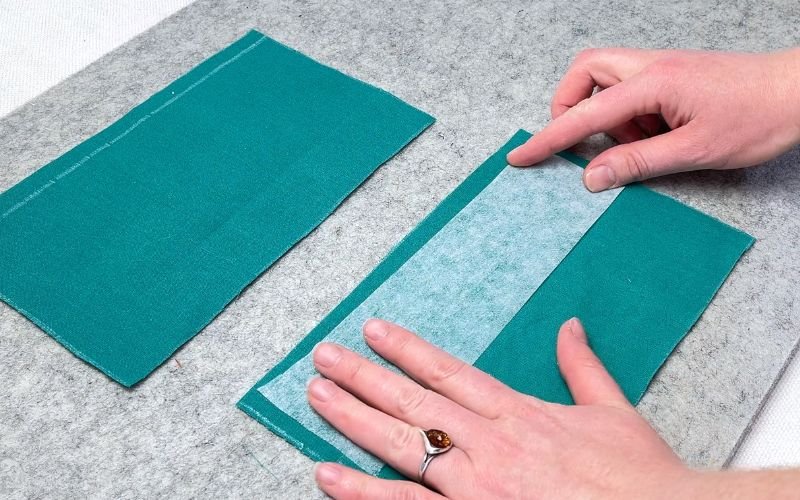
I usually interface the cuffs to give them more structure and durability, especially for classic button-up shirts. Softer interfacing creates a more relaxed finish, while firmer interfacing gives the cuffs a sharper shape.
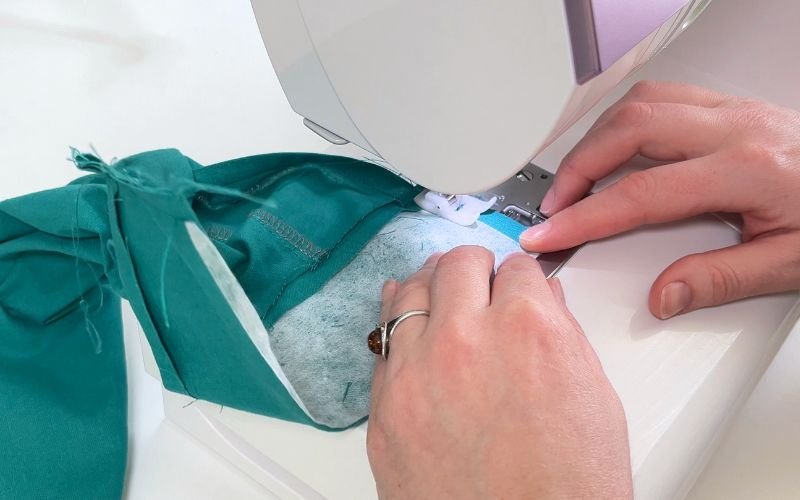
When attaching the cuffs, take time to align the sleeve placket placement carefully and keep both cuffs even. After sewing, press the cuffs thoroughly before topstitching around the edges.
Step 9: Sew the Hem
Once the sleeves and side seams are complete, the shirt can be hemmed.
The type of hem you choose depends on the shirt style and fabric weight. Curved hems usually work better with narrow hems because they are easier to shape smoothly around curves.
Before stitching, press the hem into place carefully. Trying to fold and sew at the same time often creates uneven results, especially on curved hems.
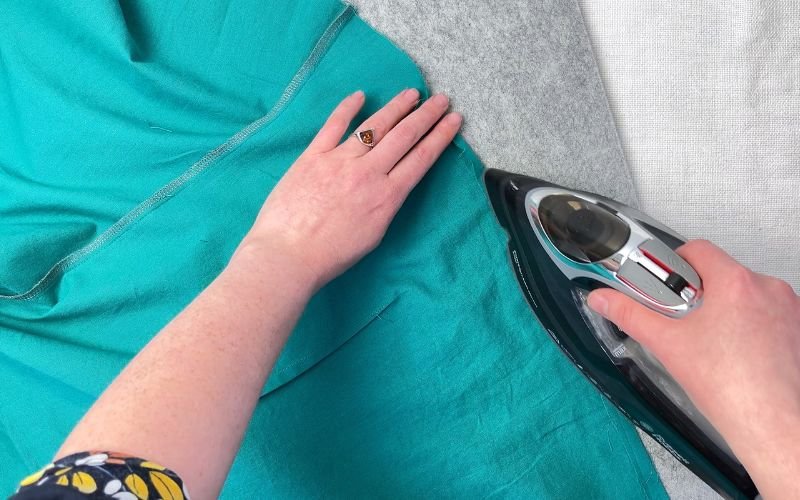
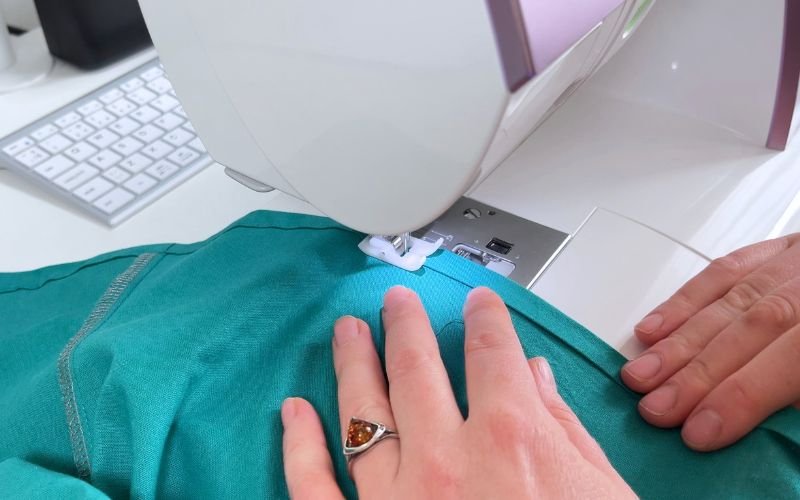
Once pressed, topstitch close to the folded edge, keeping the stitching line even around the shirt.
Step 10: Add Buttonholes and Buttons Using a Sewing Machine
The final step is sewing the buttonholes and attaching the buttons.
I always leave this stage until the end because it allows me to check the final spacing and alignment after the shirt is fully assembled.
Before sewing buttonholes on the shirt, test the settings on fabric scraps using the same fabric and interfacing layers. Different fabrics behave differently, and testing first helps prevent problems like tunnelling or uneven stitching.
Mark the button placement carefully and sew the buttonholes slowly using your sewing machine’s buttonhole function.

After opening the buttonholes, attach the buttons to the button stand and cuffs.

I have a separate detailed tutorial that focuses specifically on sewing machine buttonholes if you want a more in-depth guide for this step.
Shirt Sewing Series: Step-by-Step Shirt Making Guide
This post is part of a larger step by step shirt pattern drafting and sewing series.
- How to draft a shirt pattern from scratch for beginners
- How to sew a shirt button stand
- How to trace and sew darts
- How to sew and attach a collar and collar stand to a shirt
- How to attach a shirt placket
- How to sew shirt cuffs step by step for beginners
- How to sew shirt sleeves
- How to sew a shirt (this post)
I recommend following these steps in order if you are drafting and sewing a shirt from scratch.
Frequently Asked Questions About Sewing a Shirt
Conclusion
Learning how to sew a shirt is really about learning how all the smaller construction steps work together. The collars, sleeve plackets, cuffs, button stands and buttonholes can feel intimidating when viewed separately, but once you understand the sewing order, the process becomes much more manageable.
One of the biggest things I learned while sewing from self-drafted shirt patterns is that professional-looking results usually come from careful preparation, pressing and construction sequencing rather than difficult sewing techniques. Small details such as seam allowance choices, pressing after every step and accurate alignment make a huge difference to the final finish.
If your first shirt is not perfect, that is completely normal. Sleeve insertion becomes easier, collars become sharper and button stands become straighter with every project you sew. Shirt sewing is one of those skills that improves very noticeably through repetition.
I hope this shirt sewing series helps simplify the process and gives you a clear construction order to follow from start to finish. You can also explore the individual tutorials linked throughout this guide for more detailed techniques on each stage of shirt construction.
About the Author: Pattern Drafting & Garment Sewing

I’ve been sewing for over 30 years and drafting my own patterns for more than a decade. I work almost exclusively with self-drafted patterns, which means I don’t rely on instructions—I rely on understanding how garments fit and come together.
Most of my methods come from figuring things out through testing, adjusting, and breaking down common problem areas using logic and geometry rather than guesswork.
On this site, I share step-by-step tutorials on pattern drafting, garment construction, and sewing techniques to help you create well-fitted, professional-looking clothes from scratch.
👉 Read more about my approach to pattern drafting and sewing here: About Me