In the first post of the series on the materials for reusable pads I explored the backing layers of the reusable pads. The second post was dedicated to the very important absorbent layers. In this post I will delve into the various options of the top layer materials for reusable pads, sharing with my experience and recomendations along the way.
Arguebly, one of the most important aspects of reusable pads is the appearance. The top layer can provide that ultimate feel of luxory and somewhat distract from the unpleasanntess of the reason why the reuable pad is required. So, what materials I will be discusing…
Top layer materials for reusable pads
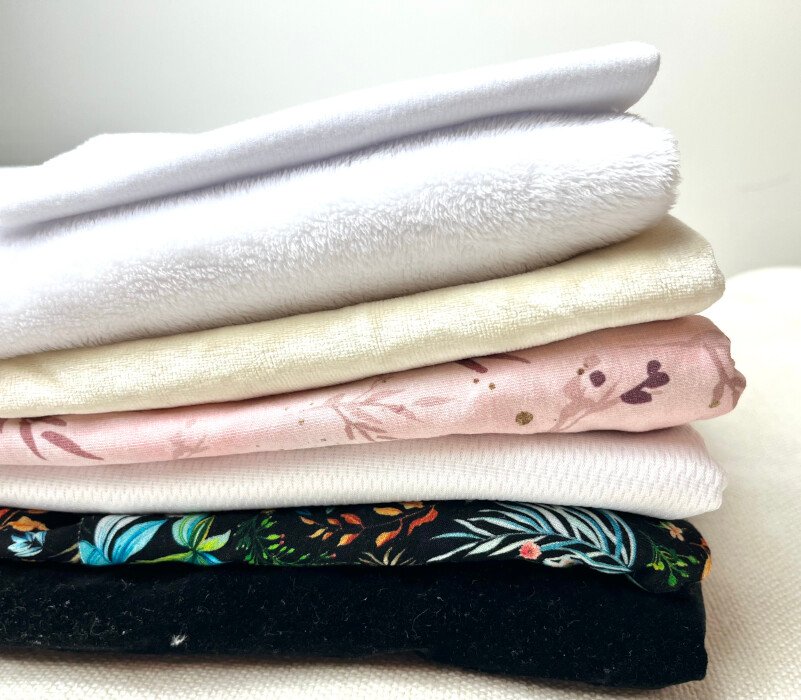
These are the materials that I have tried and have an opinion on their suitability as a top layer.
- Microsuede
- Fleece and polyester velour
- Woven cotton
- Cotton jersey
- Bamboo / viscose jersey
- Bamboo / viscose velour
- Cotton velour
Microsuede
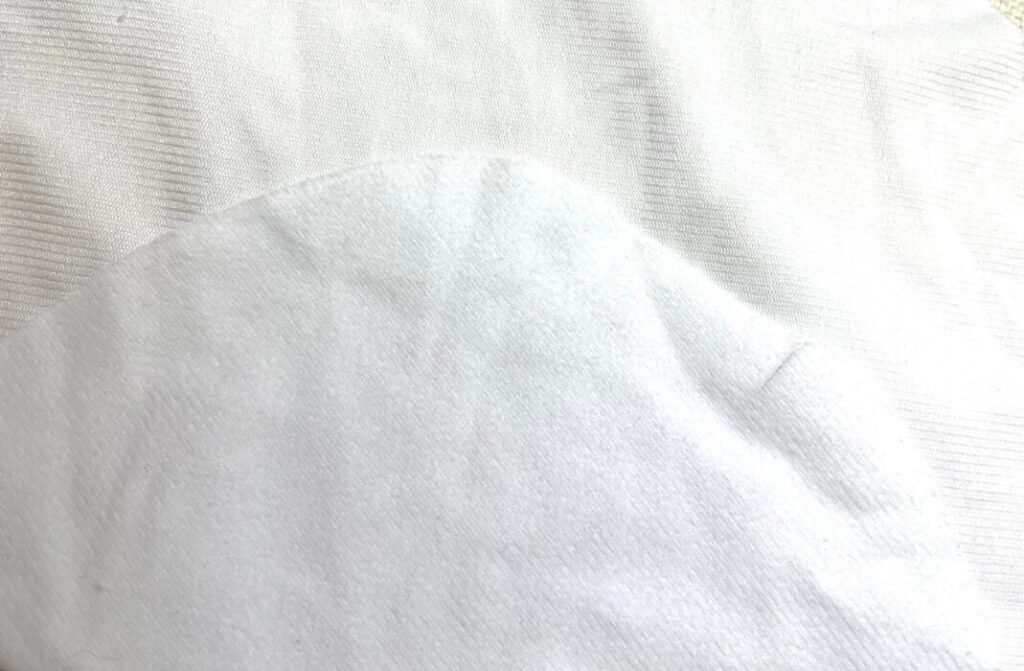
Microsuide was the topper on the reusable sanitary pad that I procured and I assumed that it was something that I needed to replicate on the pads that I made. What is there not to like about it – it gives a stay dray layre, it passes liquide through without an effort and it stays pristine after even the laziest of washing routines. It is quite a thin material so you could go over the recomended 600GSM for the absorbent layers (I talk more about the fabric weight in the post on the aborbent layers).
The only drawback for microsuede it that it is a synthetic material and therefor contributes to the warmth of the reusable pad. This is especially important if you are making pads for daily use. The warmth and synthetic fibres so close to vulva may cause some itching and infections.
Fleece and polyester velour
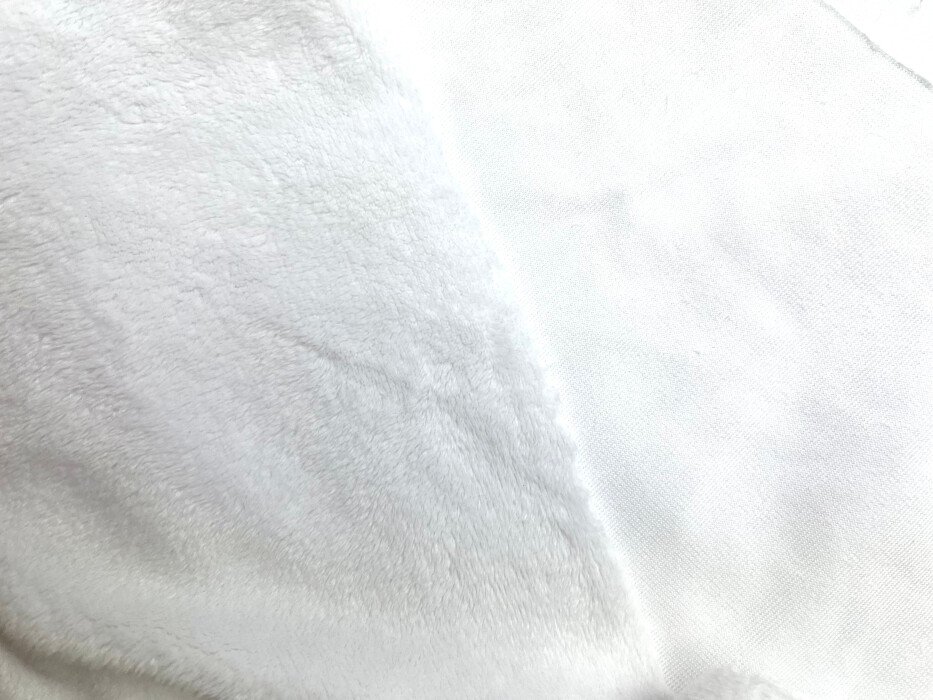
I have combined these two materials in the same category as they will essentially be the same. I could have combined with the description for the microsued as most the charaterictis will apply – the fabric is soft, stay dry and wicks the discharge away from the body. These materials are also going to contribute the warmth (and potentially sweating), and both are reaonably easy to keep stain free.
The difference fromt the microsuede is that these fabrics are a lot thicker. They feel nice against the skin and would be a nice choice for colder weather or if you do not have sensitivity to synthetic fibres.
Woven cotton
When I reliased that my body does not like the polyester fabrics, I decided to switch to natural to laayer materials for reusable pads. Since I already have a huge stash of woven cotton fabric, I started with this one. And I did not like it! It definitely was not warm but it also felt cold because the pad just felt wet all the time. It was like wearing a wet rag for the whole day. Yes, it is a natural fiber, soaks up the liquids fast but if not the most comfortable feel. Especially, after using the previous options that gave that stay dry layer.
The pads with the woven cotton layer will feel a little stiff and may move around, if combined with PUL backing layer.
However, if you are not fussed whether there is any sensation of wetness and want to keep the costs down, then this is a good option to consider and use.
Cotton jersey
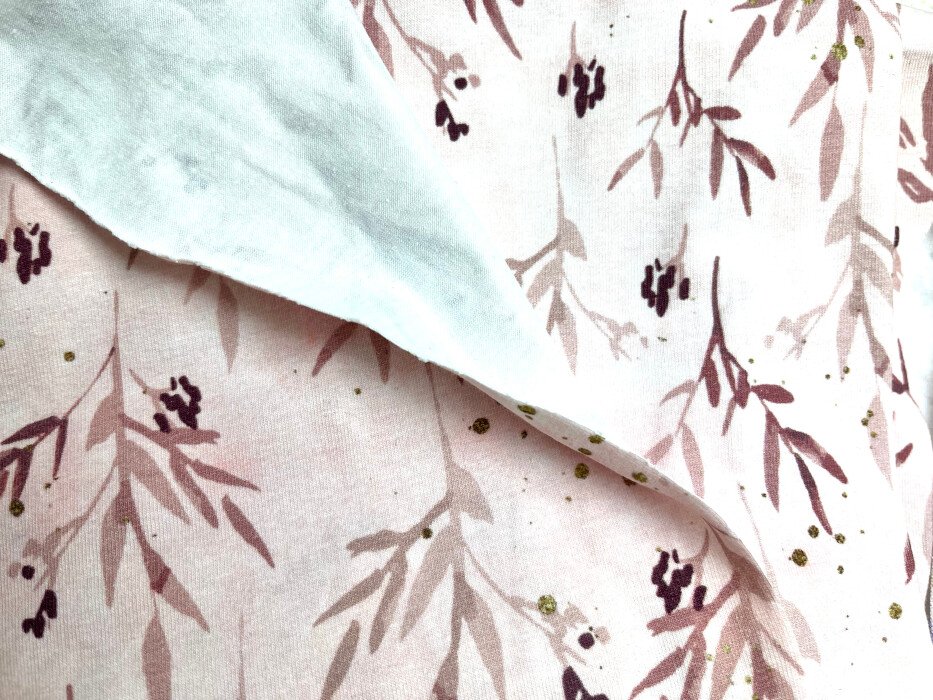
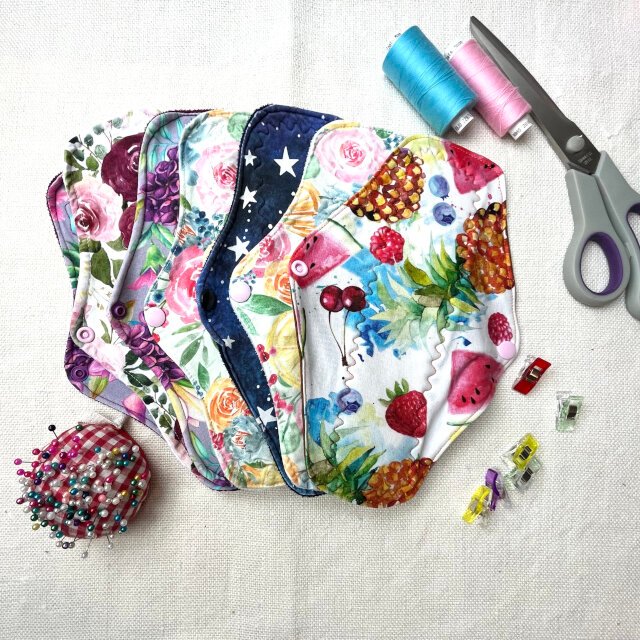
Next on my list to try was cotton jersey. The various cotton jerseys work amazingly as materials for reusable pads. They come in so many different colours and patterns that you are most likely to find something that suit your needs and wants.
The cotton jersey is soft even after washing in a very hard water areas, it wicks the liquid away rapidly, it soaks up it itself, dries reaonably quickly and provides almost a stay dry feeling. My favourite part of cotton jersey is that it is so soft and does not cause any discomfort. Even my sister, who was a very much a reusable pad sceptic has switched to the reusable pads due to that wonderful feel of cotton jersey.
The only real downside of the cotton jersy is that clings onto stains. Even if you have a wash routine approved by clean cloth nappy network, you are going to get some stains, especialy on the light coloured jersey. You can get around it if you choose a dark colour fabric or one with lots of colours and patterns. The stains have not hold me back though and most of my stash are made with patterns on white background.
Bamboo / viscose jersey
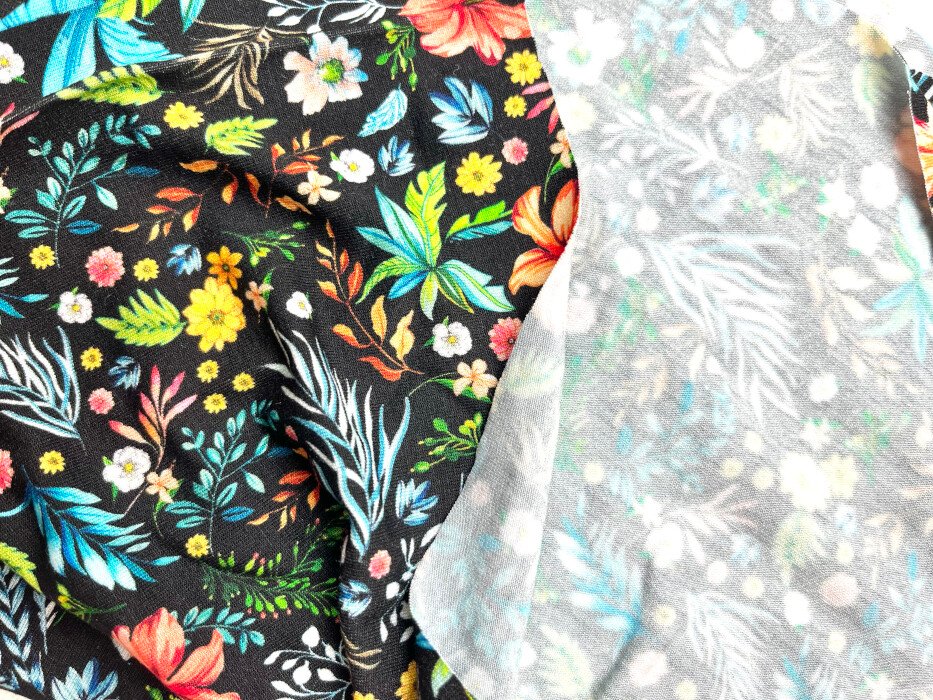
Similarly to cotton jersey, the bamboo or viscose jersey are brilliant choice as materials for reusable pads. It is even softer than cotton. As I mentioned on my previous post of absorbency, viscose and bamboo are almost interchangable when it comes to fabric. So, if you have not found a bamboo jersey, do not dispair, just search for viscose jersey instead.
Unlike cotton jersey, bamboo / viscose is a lot thinner and streachier fabric. It moves about a lot and might give you a hard time complying with cutting and sewing. If your persevire and match it with cotton sweatshirt or french terry backing materials, you may stretch the other fabric a little when the bamboo / viscose jersey runs away from you.
Bamboo / viscose jersey may also shed a little in the wash and over time it shrinks a lot more than cotton. But it has not caused any issues on my pads so far.
Bamboo / viscose velour
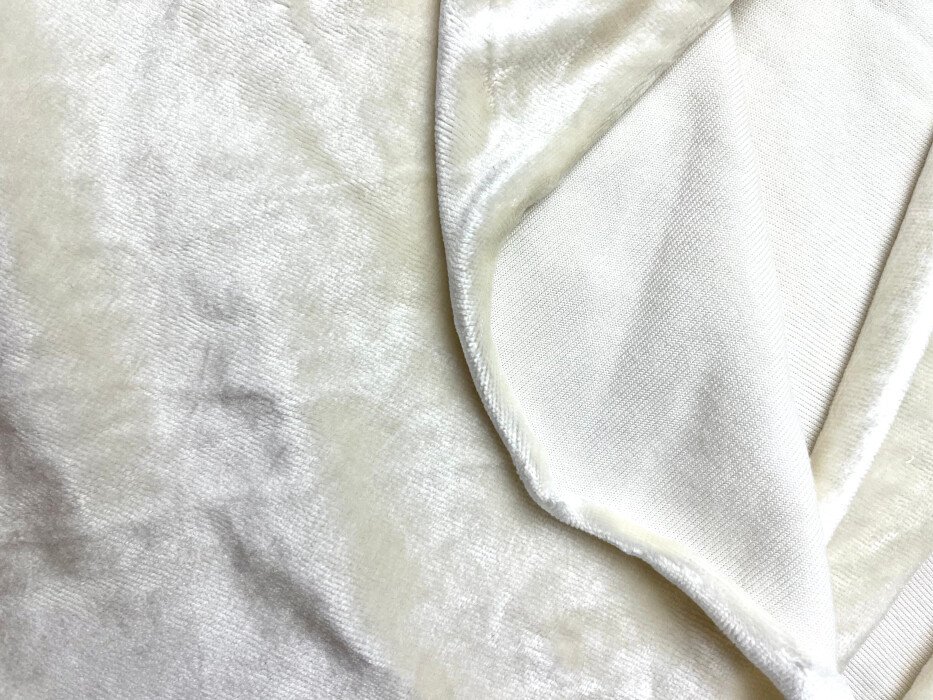
Ahh, this is a true luxury when it comes to the materials for reusable pads. The bamboo/ viscose velour is so soft thanks to the short pile. I absolutely love it. However, there are limited places where you can buy it, especially in the UK, and it comes in rather bland and boring colours. You could get around it by tie dieing or seeking any sellers on Etsy that may have already done it.
If you opt for the rather bland cream coloured velour, be prepared that the pad will stain long term. To get around it, you will need to resort to oxigen bleach or drying in direct sunlight from time to time.
As bamboo / viscoe velour is quite pricy fabric, it is not my favourite and I do not reach for it often.
Cotton velour
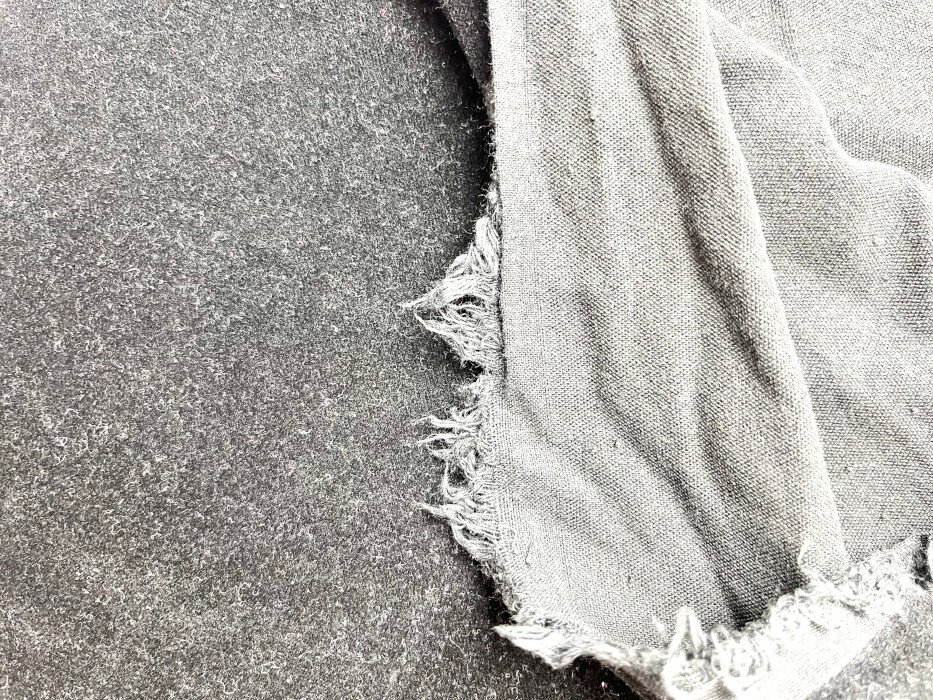
As the bamboo / viscose velour is not easily accessible, I have tried cotton velour for a comparison. It is not the same as bamboo velour. It is softer than woven cotton, however it does not pride that stay dry feel or softness like bamboo or viscose velour. Indeed, it even pales in comparison to cotton jersey.
Cotton velour has all the negatives of bamboo velour but none of the positives. However, I would choose cotton velour over any of the synthetic options discussed above.
Summary of the top layer materials for reusable pads
There are many options for the top layer materials for reusable pads. My advice would be to go with what you feel most passionate about, be it stay dry feel, limited environmental impact or just a splash of bright colours. You cannot make a wrong choice since you are already choosing a reusable alternative to world polluting plastic disposable options.
Stay tuned for the ultimate installment of the four part serious on the materials for reusable pads, or check the previous two posts on top layer and absorbent layer materials.