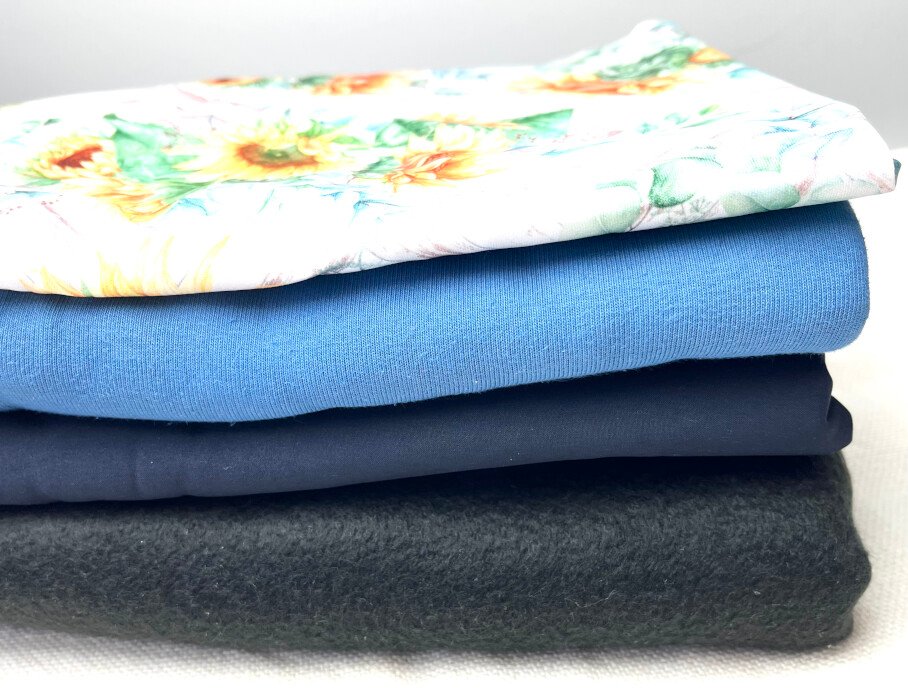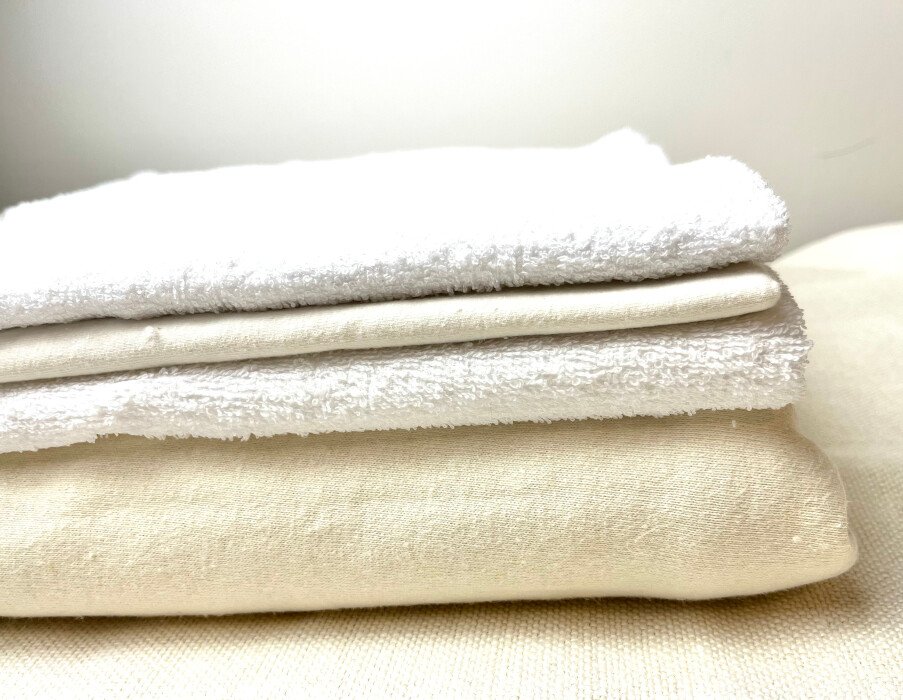
After following my previous post on natural fibres, you went out and bought some wonderful cotton, wool and rayon fabrics and are itching to get started because the fabrics are so beautiful. But wait! Before you go near the colourful stash with the shears, you need to prepare and prewash the natural fabrics before sewing to avoid shrinkage, fit issues, and fabric distortion!
Oh, I know! You just want to get straight into the sewing project. I have done it before. And it cost me the time, the material and the frustration as once the finished garment was worn and had gone through the laundry cycle, the tiny little invisible creatures had sewn my beautiful dress smaller. The one vivid memory which I still remember to date involved impromptu business lunch, a glass table and a high slit on a dress which I thought just needed to warm up on my body to relax. Well, how wrong was I. I spent the whole lunch with a handbag uncomfortably balanced on my knees, praying to all deities that the gentlemen on opposite side to me could not see my knickers.
They most likely could and did but I try to blank it out from my memory.
To avoid the same moment of utter embarrassment, let me tell you what to do with your fabric before you bring out the fabric markers.
In this post you will learn How to prewash cotton, linen, silk, wool, and rayon safely and without too much faff.
Why You Need to Prewash Natural Fabrics Before Sewing
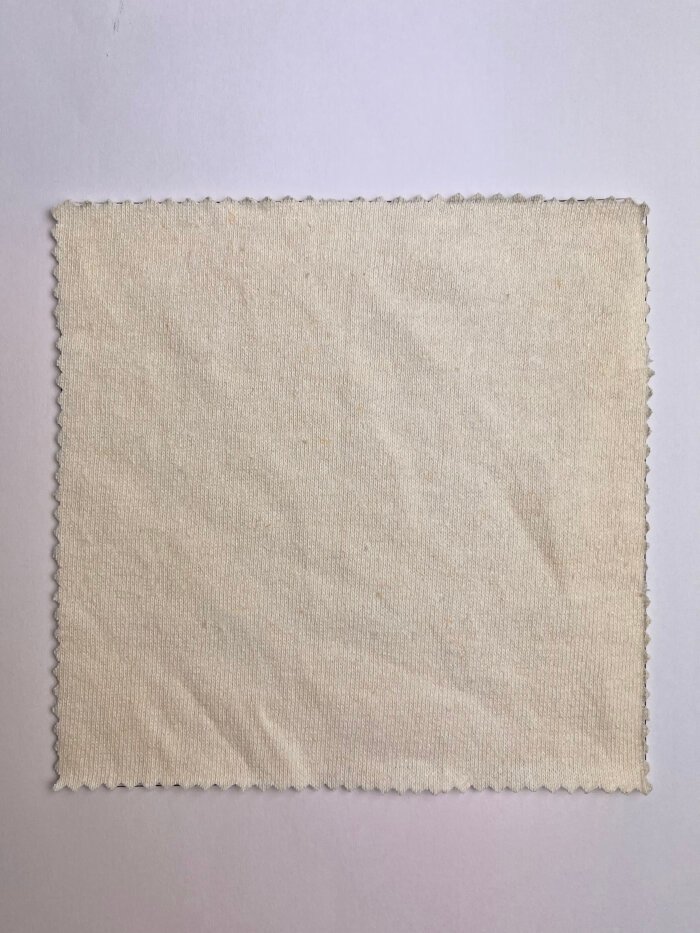
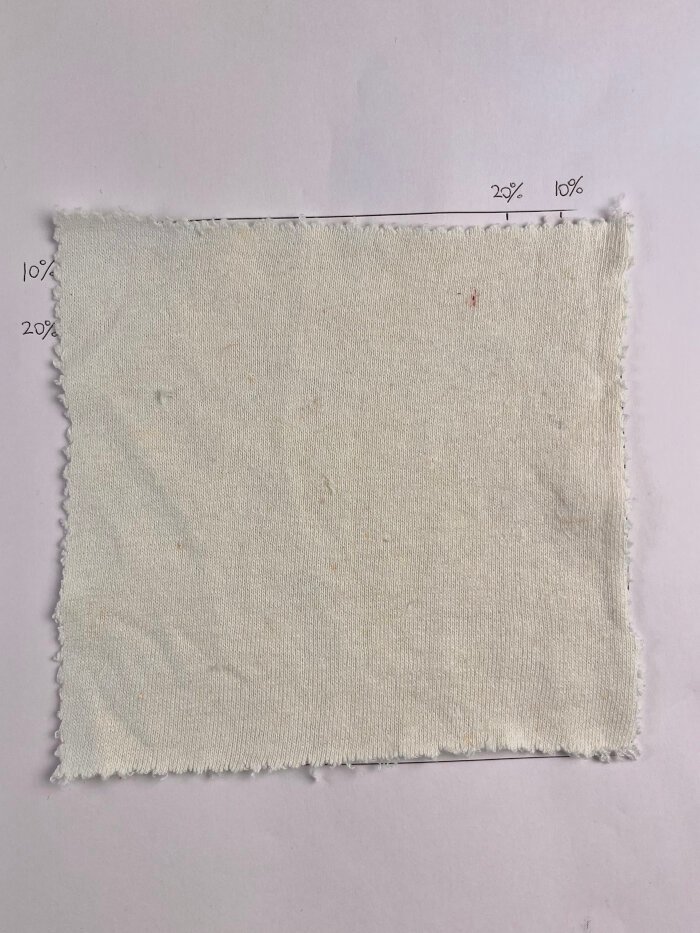
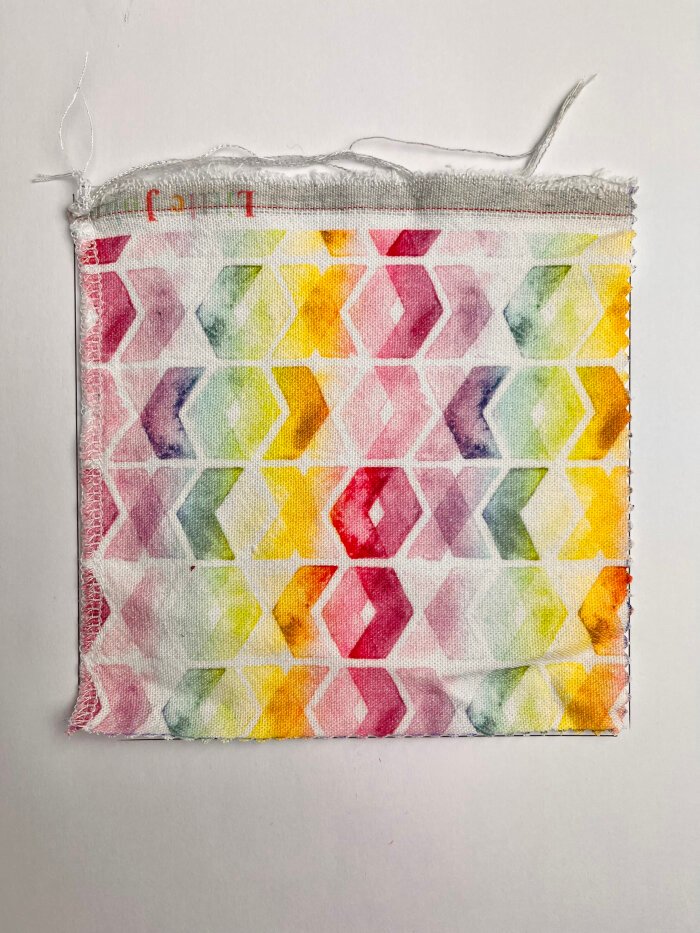
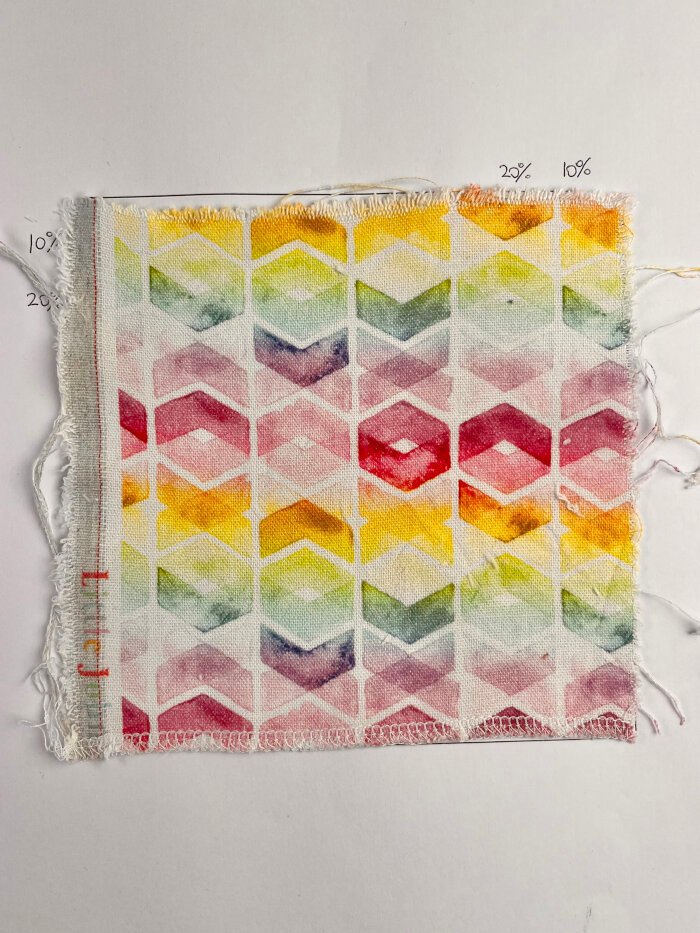
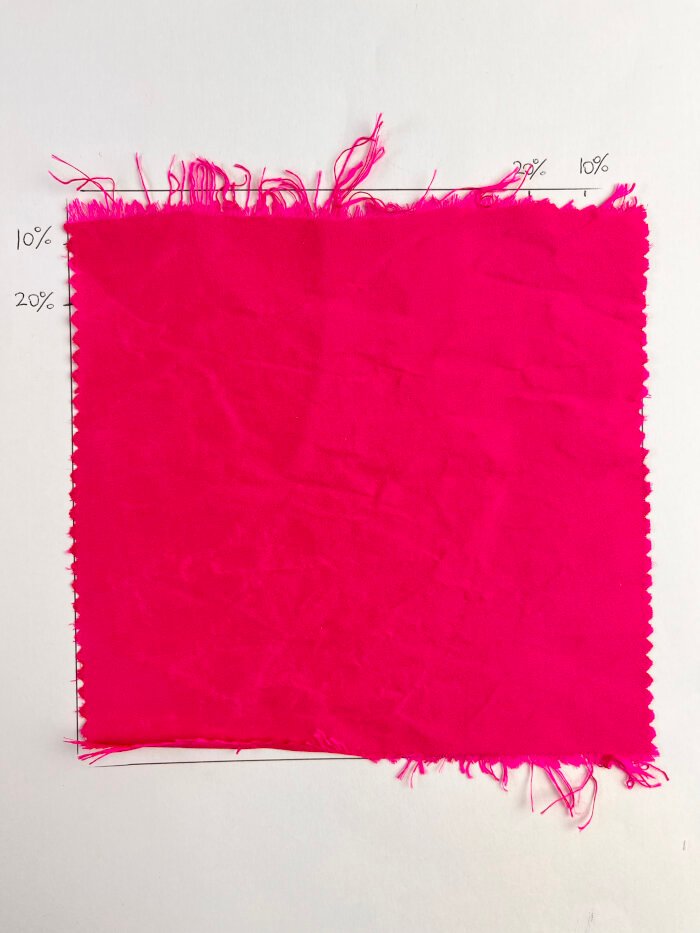
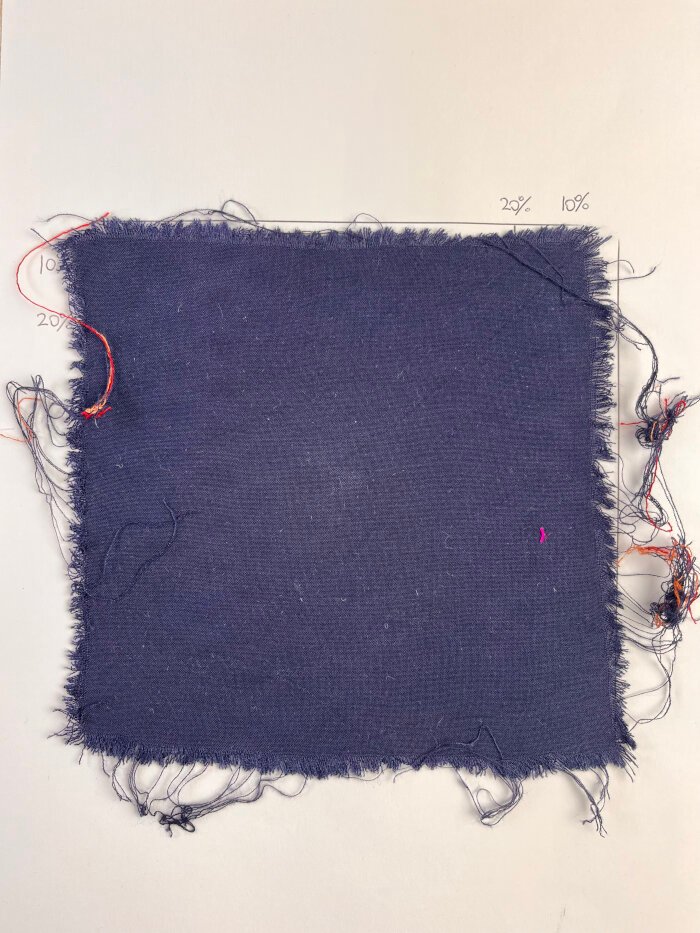
Fabrics from natural fibres shrink. Some even up to 30% if washed in a too high temperature or if the fabric is quite loose and delicate. In my experience, I had not much shrinkage on a polyester fabric but all the natural fibres had at least 10% shrinkage compared to starting size. So, unless you expect to loose 10-30% of your body mass after the first wash of your newly created garments, then prewashing is a must.
What Is the Best Way to Preshrink Fabric?
The best way to preshrink the natural fibres is to wash the fabric as you intend to wash the finished item. My daily / weekly wash routine is fairly basic – I wash all my whites on 60C and all the coloured and dark clothes on 40C. When I get a fabric that is white or off-white, I just throw it into the washing machine with the other white colours. The coloured ones need to be washed separately to avoid colour run. However, if you are not too concerned of your other coloured items looking a little bit muted, then it is fine to add the fabric to the next routine wash cycle.
If you are going to use the fabric to make garments, decor or toys etc. to other people outside of your household, then always prewash the fabric separately from your own laundry run.
How to Prepare Fabric Before Prewashing
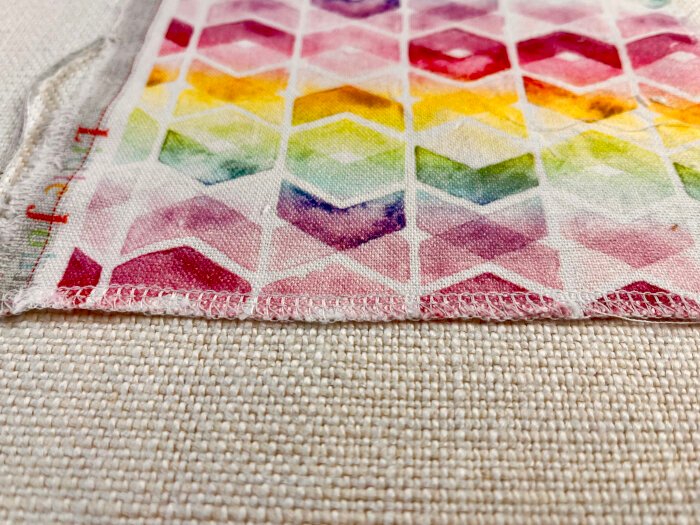
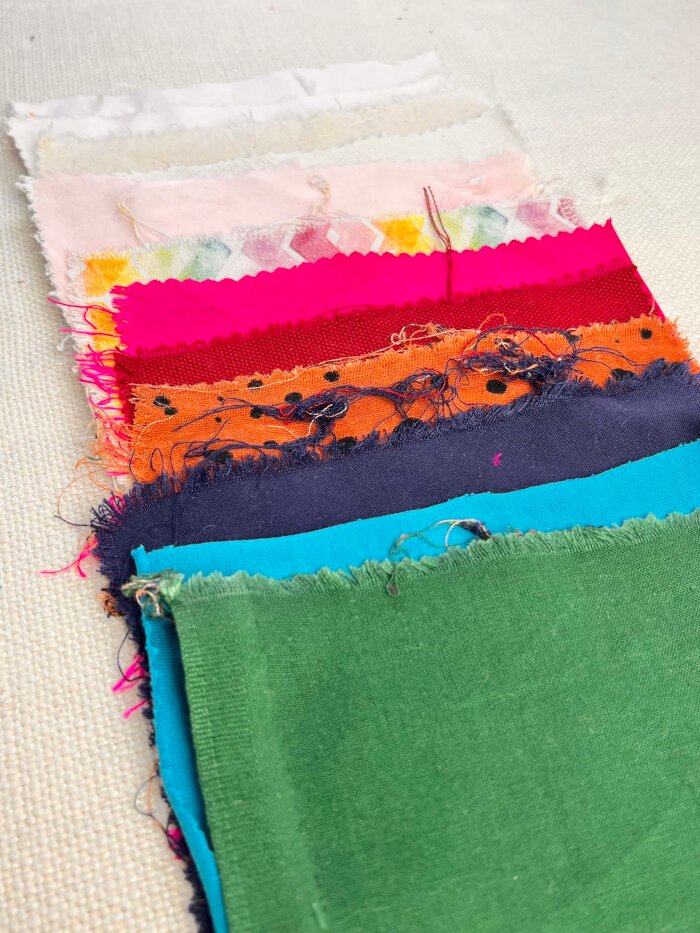
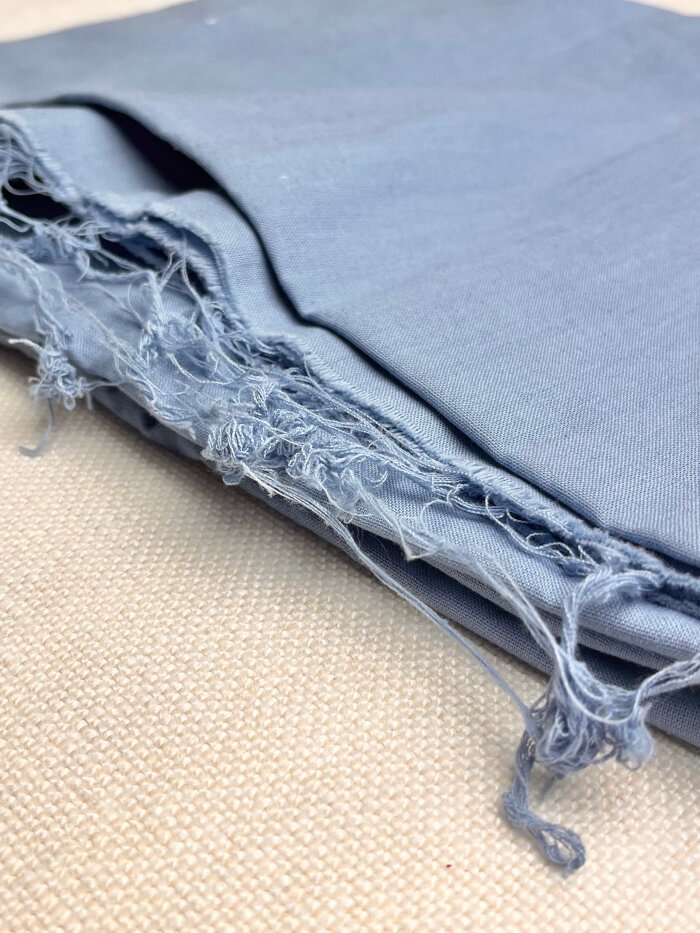
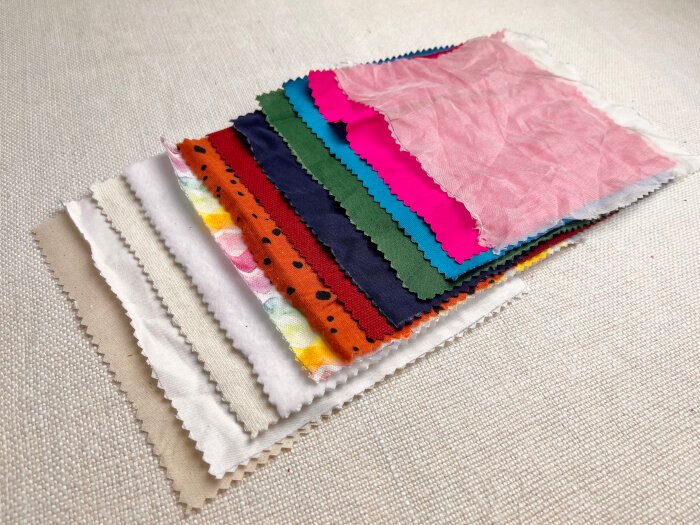
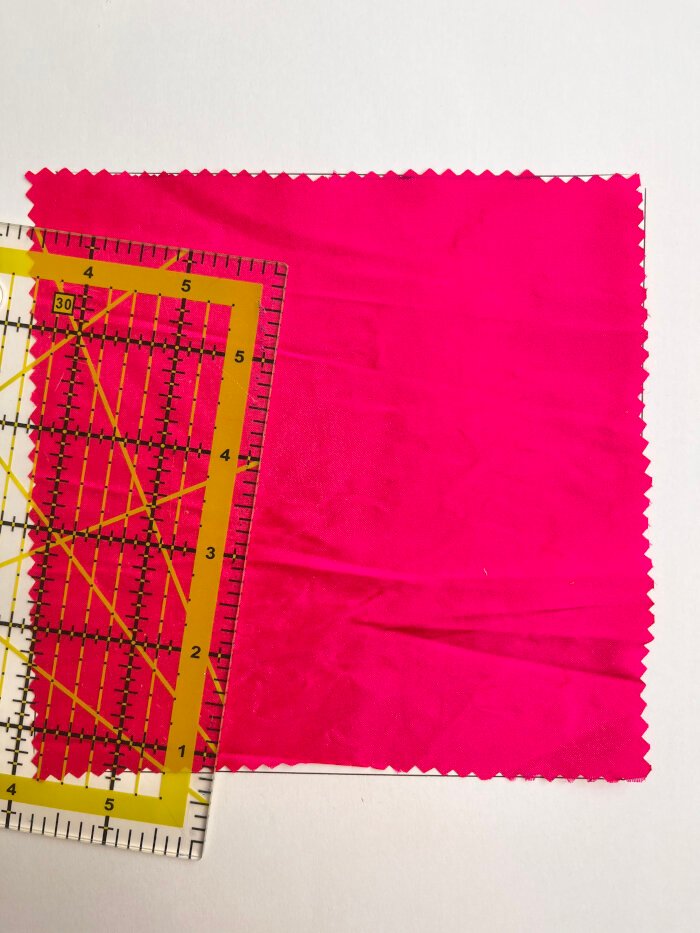
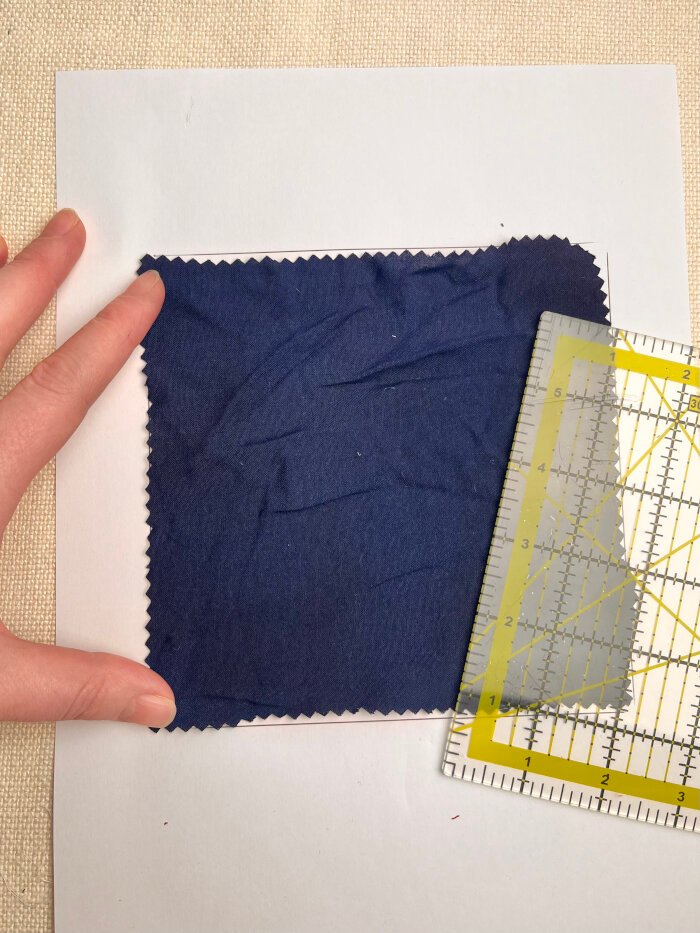
Most woven fabrics like to fray at the edges so you need to prepare the edges before adding the fabric to the wash cycle. To do that, either sew a zig zag stitch along the cut edges (no need to prep the selvage edges as they are already treated) or overlock with a serger.
Alternatively, you can also cut the raw edges with pinking shears. It will not be as effective as zig zag or overlocker but will be better than doing nothing.
The only type of fabric that I do not prep is knit jerseys as they do not unravel.
How to Preshrink Different Natural Fabrics
These are some advice on specific fibres and types of fabric that I would like to share.
Cotton
Always prewash cotton. Even if you think you are only making non wearable items out of it. Cotton shrinks a lot, especially the lighter weight muslin or cotton canvas. And chances are, you will want to wash that toy, cushion cover or curtain at some point. Additionally, you may be reusing the fabric scraps for another project that will require regular wash.
Cotton can take a lot of abuse, so prewashig on at least a 40C degree cycle is safe for most fabrics. You can check what temperature the fabric shop suggest but be mindful that they will always suggest a lower temperature to cover their liability in case of a dispute.



Cotton jersey
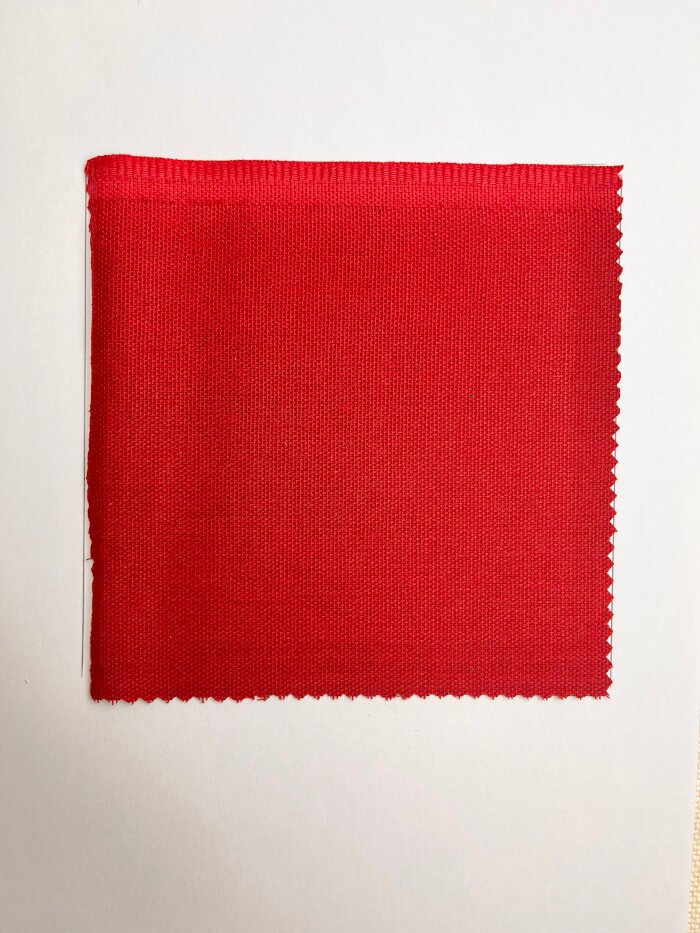
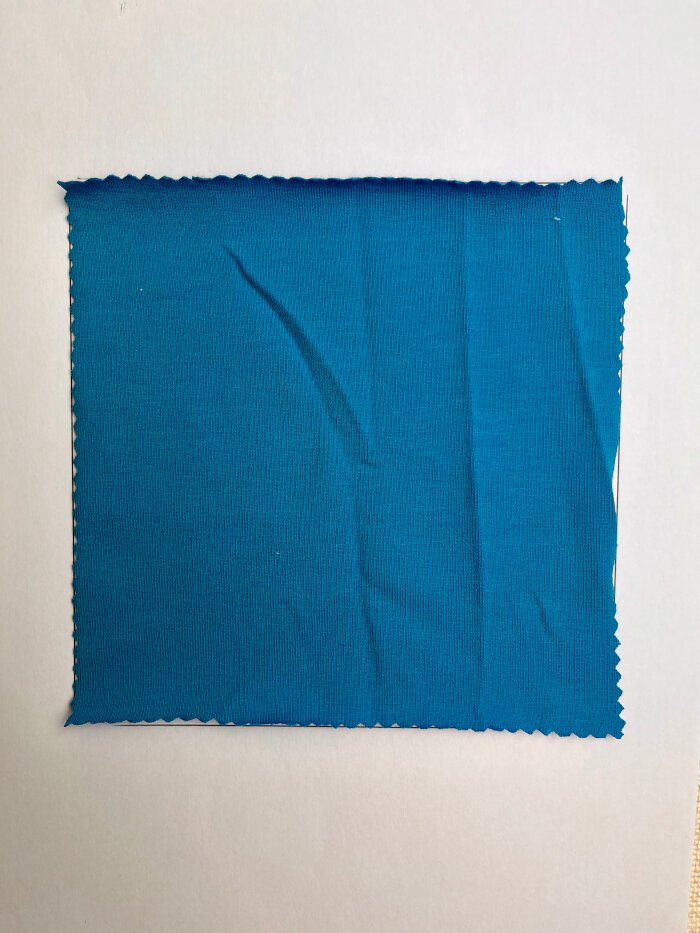
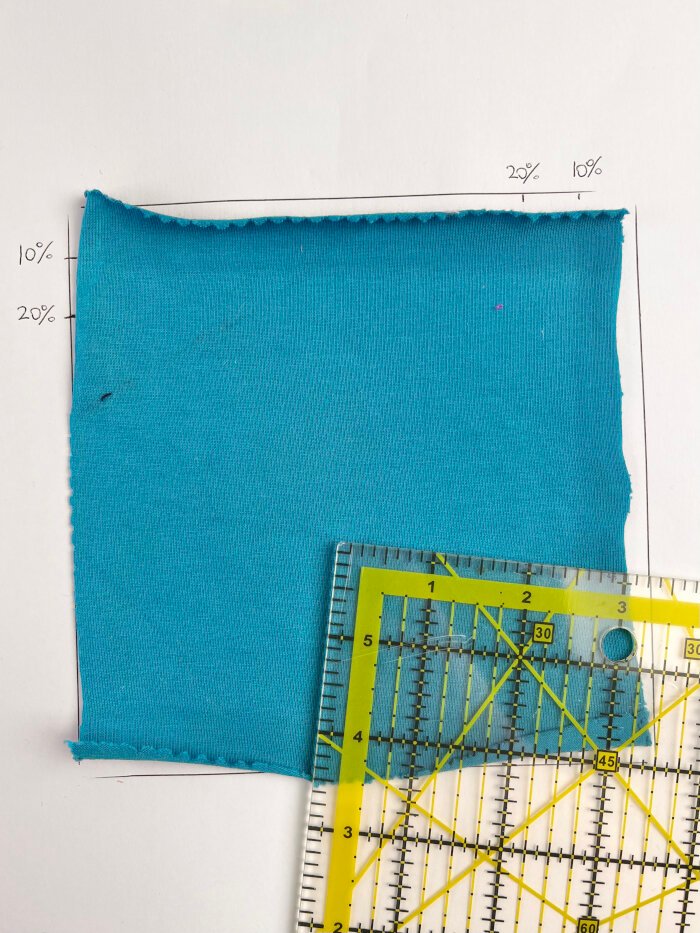
I am singling out stretch cotton jersey with elastane (and viscose jersey too) from the other cottons as I do not regularly preshrink cotton jersey that contains Lycra or spandex. Yes, the fabric will shrink but it contains elastic fibres that will make the garment still fit. I do not pre-wash cotton jersey as the cut edges roll on a washed fabric and inevitably leads to larger fabric wastage than ideal. Plus, the curled edges are so annoying.
Instead, I sometimes add extra seam allowance of up to 3/8″ to give extra breathing room, especially for jerseys that are over 220 GSM in weight.
Cotton Muslin
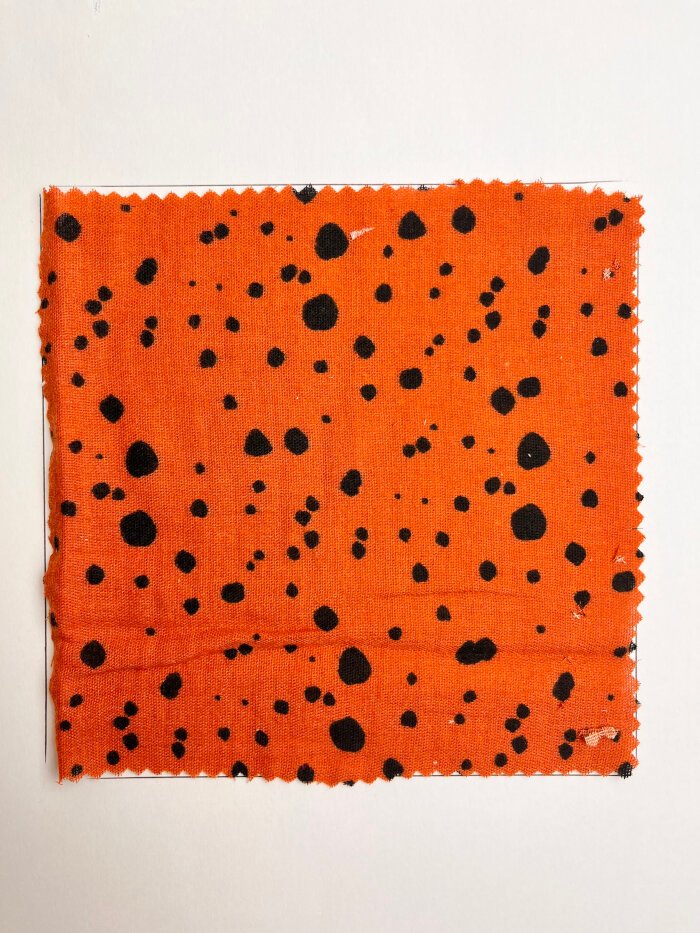
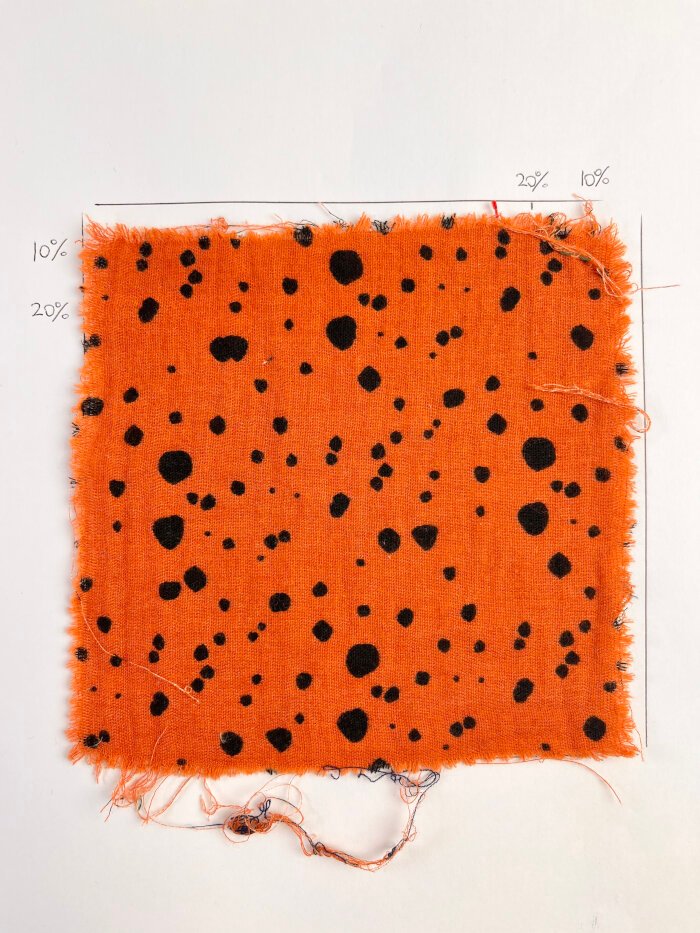
You definitely want to prewash cotton muslin to preshrink it. Muslin not only shrinks but also changes texture, going from smooth to wrinkly, adding to a visual shrinkage even more. It most definitely will also unravel so preparing the raw edges before washing is important. I would recommend using the overlocker method or zig zag stitch.
Linen and Hemp
Linen and hemp are high-shrinkage natural fibres, especially when exposed to heat and agitation.
They shrink a lot, even after the initial prewash. My advice for these would be to prewash the fabric on at least 60C on full cotton cycle. Both fibres can take a lot of heat and abuse. It is important that you air dry linen and hemp on a clothes line, avoiding pegs as much as possible to reduce wrinkles and marks left from drying. Both fibres are tricky to get flat but if you opt for tumble dryer, it is possible to get the creases out with some elbow grease. Ue a lot of steam and roll the fabric as you iron it.
Silk
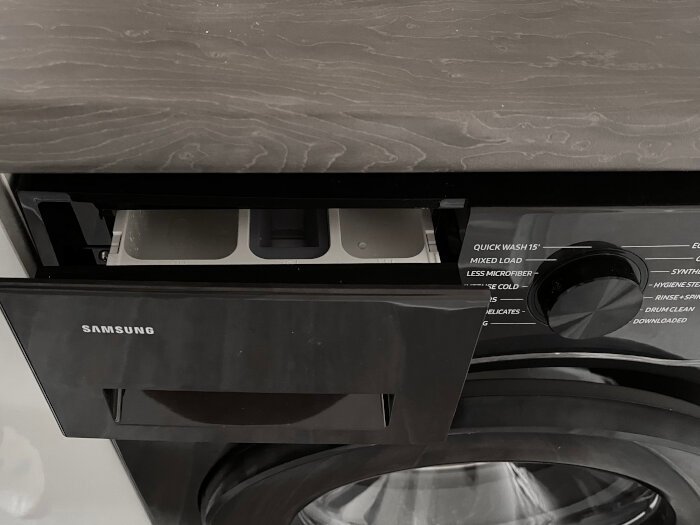
This will be controversial, but I actually wash the silk in washing machine at home instead of dry cleaning. To reduce the agitation and stress on the fabric, wash the material separately from other fabrics or clothes, opting for gentle Handwash or Delicates function on the washing machine. Use a gentle or handmade loundry detergent, such as a small amount of grated Castile soap.
Then air dry on a clothes line without pegs on a calm day to reduce creases. Most silks will change the texture slightly, getting small creases, reminiscent of linen fabric. You can gentle iron the silk fabric on low to medium setting, using a pressing cloth as a protective layer.
In my opinion, there is nothing wrong with washing silk garments at home. Using the washing machine makes silk a far more practical material for everyday wear. This also reduces the impact on the environment as no chemicals are used on dry cleaning.
Wool
A smaller amount of wool fabric can also go into a washing machine if the machine has a wool setting. From a practicality point of view, the wool does not need to be washed as regularly as any of the other natural fibres as it is antimicrobial. That is one of the reasons why I love a wool dress or pencil skirt for office!
If you have bought a lot of heavy wool coating fabric for a winter coat, then do not put in the washing machine. The washing machine will struggle as the most wool settings are made for a very light load and not the maximum load capacity. Wool absorbs a lot of water and will make the washing machine give up the ghost. Instead, steam the wool fabric with a steam iron or a dedicated steamer to shrink it.
Under no circumstances put the iron directly on the fabric, unless you want a shiny, patchy fabric. Instead, keep the iron just above the fabric and release the steam. Alternatively, and if you do not have a steam iron, place a dump cotton handkerchief sized fabric over the wool to protect it.
In a nutshell, the best ways to preshrink wool fabric is to:
- Use washing machine for boiled wool in smaller quantities.
- Steam shrink larger and more delicate wool pieces with an iron or steamer.
- Hang fabric after steaming to aid drying.
- Avoid full immersion in water for heavy coatings as you will struggle to wring it out and dry.
Rayon
Rayon is a regenerated cellulose fibre, often mistaken for a synthetic, but it behaves more like silk when washed. Rayon is quite a delicate fabric but it can be washed in the washing machine. Knit fabrics can go directly with your regular load or your regular washing machine setting. The woven rayon fabric (and garment) will need to be washed on a delicate setting. Both silk and Rayon require similar treatment of less agitation and lower temperatures.
Detergent use in sewing prep
The sturdier cotton, linen and hemp fabric, as well as rayon can take typical laundry detergents available in the supermarket.
The animal derived silk and wool, however, require a lot gentler detergents. Some stores carry detergents made for wool fabrics – these will work for silk too.
The more economical and versatile option is to make your own washing detergent for protein based fibres, using a gentle Castile soap bar and a little of washing soda (not a baking soda!). Grate the bar into fine shreds and mix with a cup of washing soda. Add up to a tablespoon of the mixture to your washing machine, directly in the drum. Washing soda will reduce the soap scum but for peace of mind you can also add up to 1/4 cup of a mixture of equal parts vinegar and water to the softener section.
If you are handwashing the wool, then a bar of Castile soap is sufficient.
FAQ
Conclusion
There have been a lot of guidance out there on how to preshrink the fabric and best ways of preparing it for sewing. And most of them include quite convoluted methods with stark warnings. However, preshrinking is just a guidance and not a rule. If you include the allowance for fabric shrinkage in your sewing projects, then you may be ok not to preshrink the natural fibres. After all, most high street stores that sell clothing do not preshrink their fabrics!
Having said that, since you are already making your own clothes to counter the “one size fits all” and fast fashion mindset, then I would advise you to preshrink the fabric before sewing to avoid disappointment. The preshrinking and pretreatment does not need to be complicated. Just follow your own wash routine and wash coloured fabrics separately to avoid the colour run.
While the preshrinking takes an additional step, you can prewash your fabric as soon as it arrives from the store. This way, all the fabric stash that you have will be ready to go at the start of your sewing session. Making fabric preparation part of your sewing routine ensures better fit, longer-lasting garments, and fewer surprises after the finished garment wash.