In this tutorial, you will learn how to transfer darts from a sewing pattern onto fabric and how to sew darts on a shirt with precision. This step-by-step method will help you achieve clean dart tips, smooth shaping, and a professional finish every time.
This guide is part of my shirt drafting series and is essential if you want to create a well-fitted shirt from scratch or improve the fit of commercial sewing patterns.
The position and the accuracy of the dart can make or break the overall look and appearance of your finished garment. This is why accurate dart marking and precise sewing are essential for a professional-looking garment.
I have sewed over 100 dresses and shirts and this is the method I consistently use in my own garment sewing to achieve balanced, professional darts. Even if you are new to sewing, this method will help you sew clean darts with confidence.
What You Will Learn in This Dart Sewing Tutorial
This dart sewing tutorial is suitable for beginners and will show you exactly how to sew darts on a shirt without puckering.
The tutorial shows exact dart marking transfer and dart sewing methods that I use when I sew a shirt or dresses from scratch. The same approach works whether you are using a self drafted pattern, a commercial pattern or you are adjusting a fit on an existing garment.
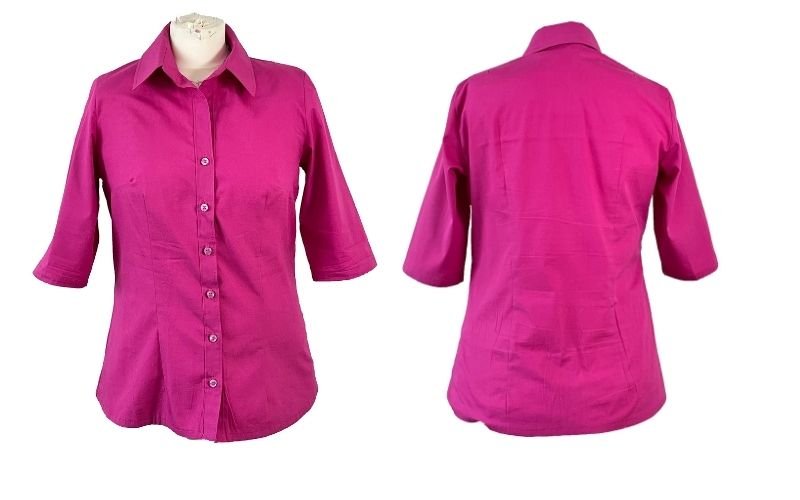
Step-by-Step Overview: How to Transfer and Sew Darts on a Shirt
The process for dart transfer and sewing consists of these main steps:
- marking the dart location on the sewing pattern
- transferring the darts points on the fabric
- connecting the dart points
- pinning the dart points
- sewing the dart
- pressing the darts for a clean finish
This is a complete guide on how to transfer dart markings to fabric and how to sew darts on a shirt step by step.
What Is a Dart in Sewing and Why It Matters
A dart in sewing is a folded and stitched wedge of fabric used to shape a flat piece of fabric to fit the curves of the body.
A dart is a shaping technique that transforms flat fabric into a three-dimensional garment. By removing excess fabric, darts allow the garment to contour smoothly to the body without visible bulk.
Understanding the concept of how the dart works will draw your attention to the dart tip and how it should sit on the body, to create a symmetrical and a balanced garment.
Parts of a Dart Explained
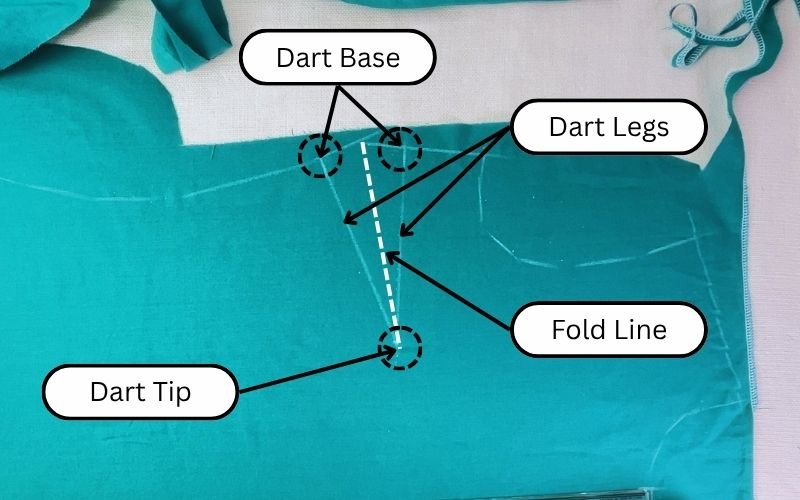
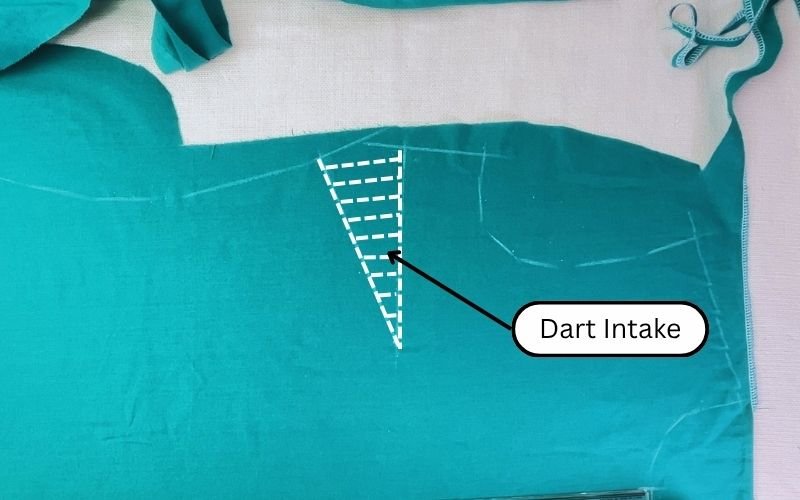
This is a quick infographic on how each part of the dart is called to help with the dart transfer and sewing:
- Dart Base – the widest part of the dart
- Dart Tip (also known as dart vanishing point) – the sharp point of the dart
- Dart Legs – the straight lines connecting dart base with the dart tip
- Fold line – the line that connects a middle point on dart base with the tip
- Dart intake – the fabric between the dart legs
When to Use Darts in Shirt Sewing
Darts are commonly used in shirt sewing to shape the bust, waist, and back for a better fit.
Tools and Materials for Transferring and Sewing Darts
To transfer the dart markings and sew a perfect dart, you will need a few basic patterns drafting tools and materials. You can read more about each tool in my post on the essential pattern drafting tools.
- the sewing pattern – I am using the self drafted shirt sewing pattern, but this method works equally well with commercial sewing patterns.
- fabric
- matching thread
- scissors
- pins (for this project pins are more accurate than clips and we are less concerned about the pins making holes in the fabric)
- grading ruler
- fabric marker such as piece of soap, chalk or erasable fabric pen
- single hole puncher (optional)
- tailor ham or rolled up towel
With the materials and tools gathered, we are ready to dive into the project.
Step-by-Step Guide: How to Transfer and Sew Darts
Step 1 – Prepare the Sewing Pattern for Dart Marking
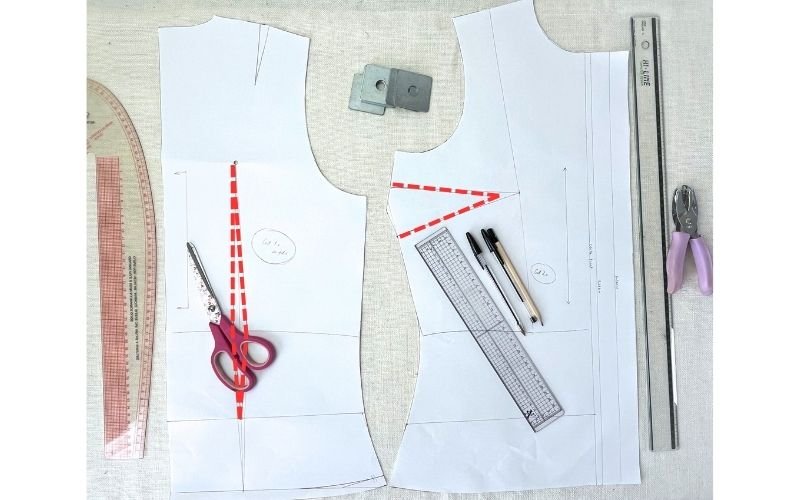
Cut out holes for the dart tips and dart base points for all the darts on the sewing pattern. If you created a sewing pattern following shirt pattern drafting from scratch, then you will have shoulder dart and back dart on the back pattern piece and a bust dart on the front pattern piece.
You can use scissors for this task or a single hole puncher. Fold the paper so that the points are on the crease and cut out triangle shape with scissors or a half circle with a single hole puncher.
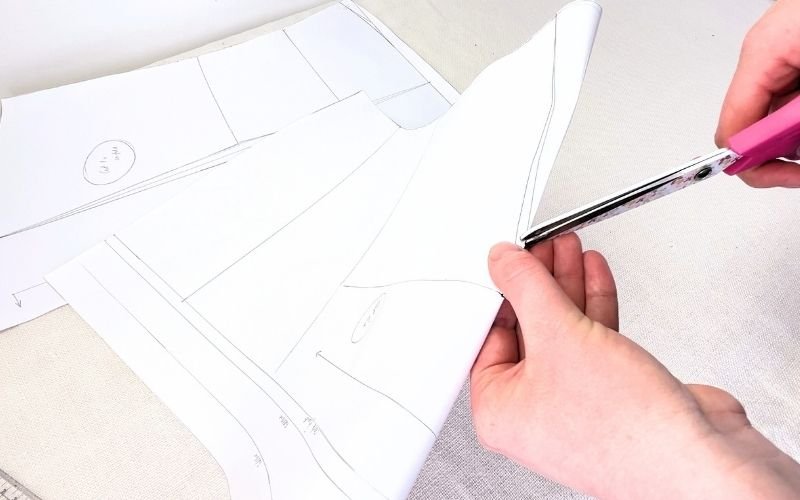
If your sewing pattern has not got a seam allowance added, cut triangles at the dart base points , where one side of the triangle is aligned with the dart leg and the other side is within the dart intake.
These points will help you recreate perfect darts a lot quicker and more precise than transferring with a tracing wheel, carbon paper or using tailors tacks.
This method is more accurate than using a tracing wheel or tailor’s tacks because it prevents the pattern from shifting and allows you to mark dart points precisely. It is also significantly faster when transferring multiple dart markings.
Step 2 – How to Transfer Dart Markings to Fabric Accurately
This step shows how to transfer dart markings to fabric.
You need to trace your paper pattern onto the fabric, following the specific guides and grainline on the pattern. I make my patterns without a seam allowance so I add it while the pattern is still secured in place with pattern weights.
Once the pattern is traced but while it is still securely locked in place, you will need to transfer markings. The holes that we made in the previous step makes this super easy. Mark the hole using soap or tailor’s chalk or place a precise point in the middle of the hole with an erasable fabric marker. All these options work and will give you the same result.
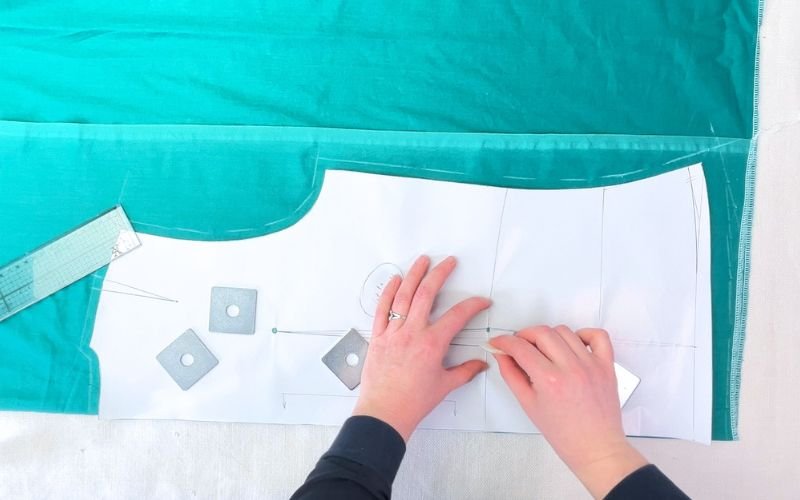
While precision in notch transfer is super important, a millimetre or two difference is not going to suddenly make the garment fit badly.
If you cut a triangle at the base of the dart for a dart that ends in a seam, make a marking on the paper that follows the dart leg.
For a pattern that is cut on fold, place pins in the middle of all the the dart tip and base points and carefully lift the pattern and fabric, to make a mark where the pin goes though the fabric on the other side.
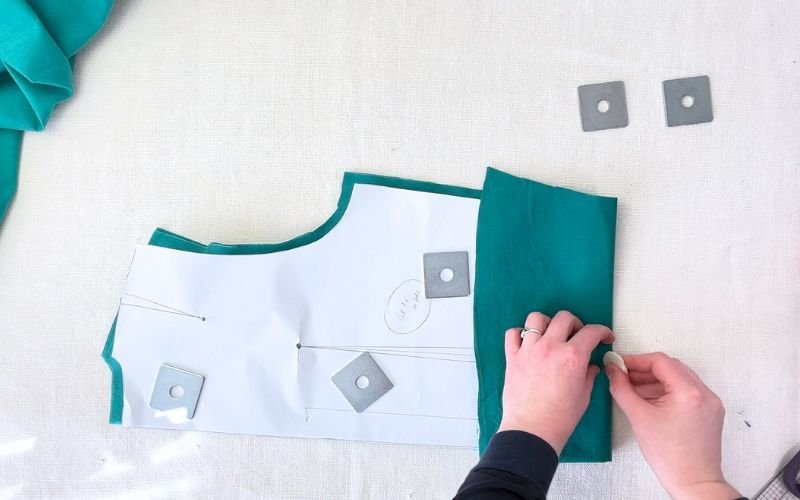
This method is one of the most accurate ways to transfer dart markings to fabric without shifting the pattern.
Step 3 – How to Mark Darts Accurately on Fabric
Once the dart markings have been transferred to the fabric, you are now ready for the next step on how to mark darts accurately.
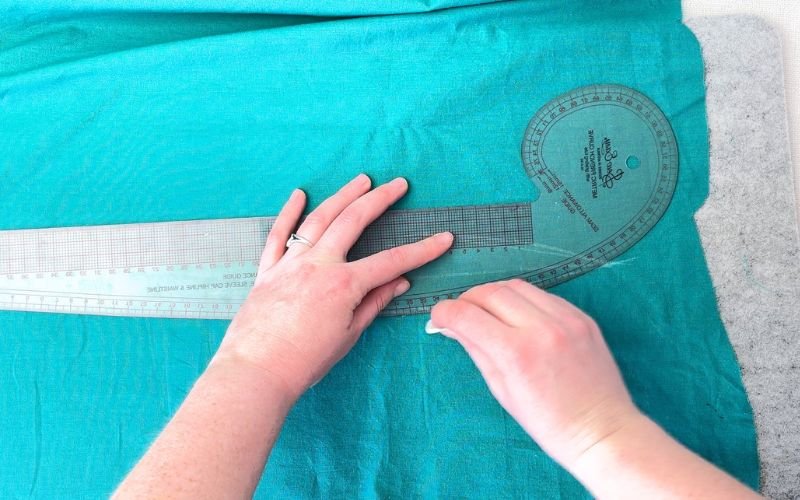
We are going to connect all the dart tip and base points with a ruler and fabric marker of your choice. This is one of the simplest and most reliable ways to mark darts accurately.
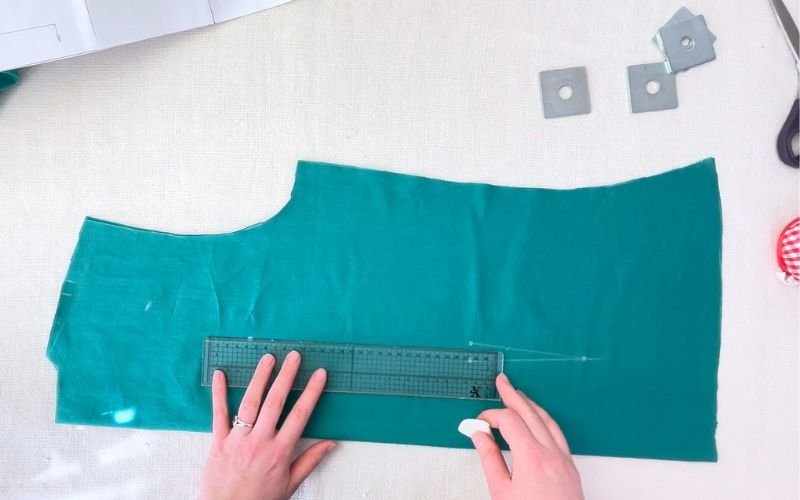
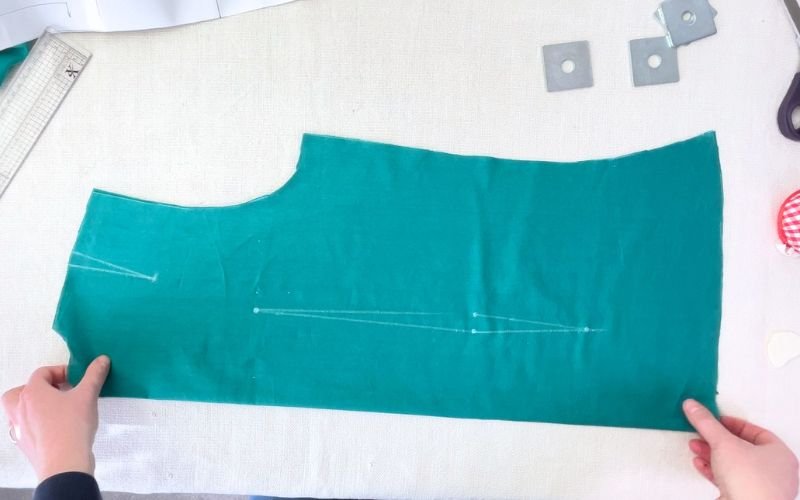
There are two more tricks, however, to make the sewing and fit better. These techniques are optional, but can improve accuracy and fit, especially for beginners. However, if you struggle with the precise sewing or want a slightly better fit, then these two next tricks will help you immensely.
Tip for perfectly matched up dart legs: Connect the dart tips or a dart tip with the mid point between dart base points with a straight line. This line will be the dart fold line. When you fold the dart along this line, both sides of the dart will be precise and match up perfectly when sewn.
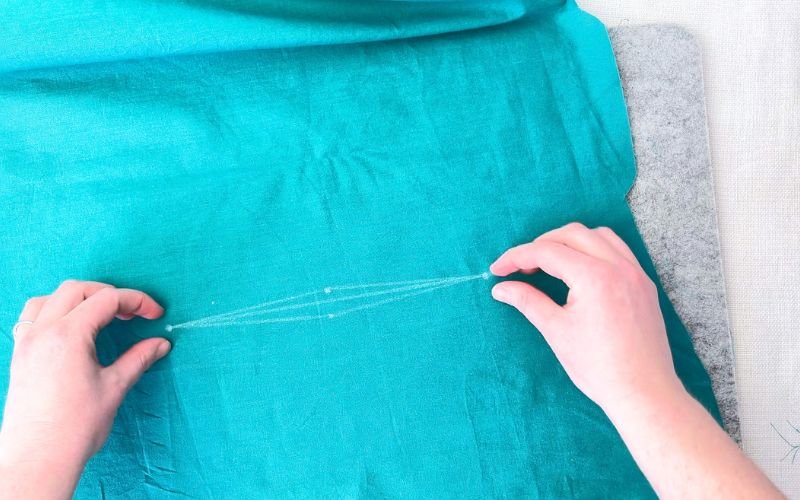
Tip for better fit: Using a French curve, draw a smooth curve up to 5mm outwards from dart legs, connecting all the dart tip and base points. This will make the shirt fit around the curves of the body better and the garment will be contoured around you.
Step 4 – How to Pin Darts Correctly Before Sewing
Regardless whether you have drawn the central dart fold line, pinning the dart will make it easier and more precise to sew.
First, fold the fabric either along the fold line, or hold the fabric between dart tips or a tip and middle point on dart base. Then pin the fabric at the dart tip and dart base. It is easier done on darts that are cut on straight grain while the darts on cross grain will require a bit more coaxing.
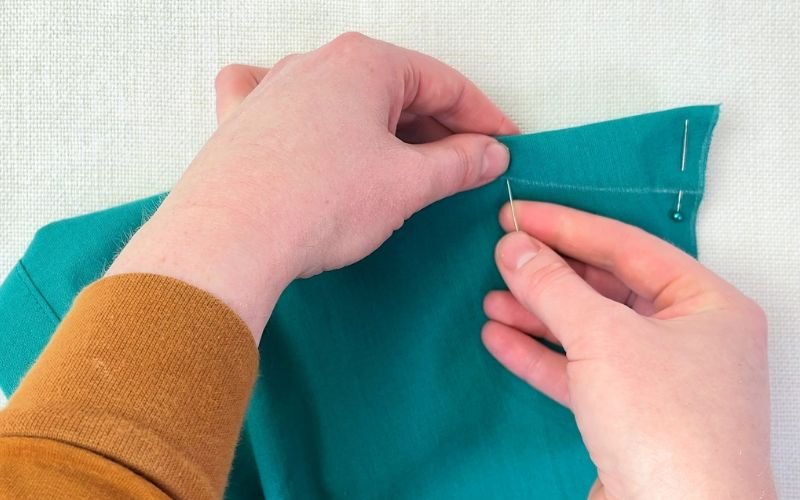
Place further pins along the dart leg with pins going through the dart leg, catching the marking of the other dart leg on the reverse.
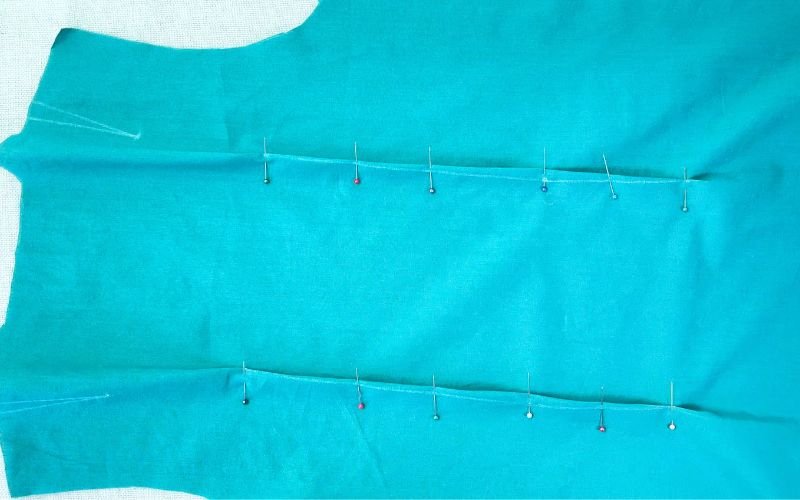
Tip: Place the pins in a way that the pin heads are on the right side of the dart for easier removal when sewing.
Step 5 – How to Sew Darts on a Shirt (Beginner-Friendly Guide)
There are two types of the darts – open and closed. The open darts end in a side seam or hem while closed darts go from tip to tip and usually are located on the waist. Each has a slightly different approach for sewing. This step shows exactly how to sew darts on a shirt, including both open darts and closed darts.
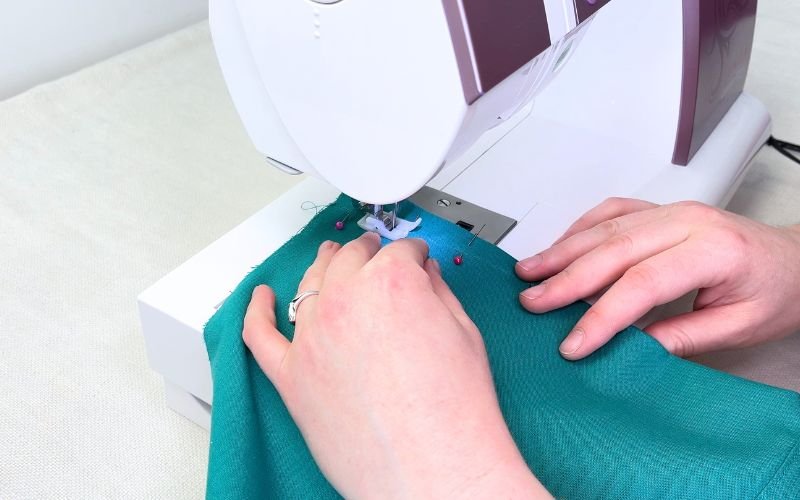
How to Sew an Open Dart
The open darts tend to be position at the bust and on the shoulder seam both on dresses and shirts.
Sew the dart closed starting from the dart base. Ideally you do not want to sew over the pins and would remove them just before the needle hits them. This way the sewing needle will not get damaged and the pin remains straight.However, most of the time I leave the pins in place for quicker sewing and to reduce the fabric from shifting. If you follow suit, make sure that the pin does not move otherwise you will end up with a bumpy stitch line.
When you get to the tip of the dart, you can either backstich or tie off the thread. Whichever method you use, make sure that the last stitch is almost on the fold line. This will reduce the puckers.
The easy way to sew the dart is to backstitch the dart at the dart tip. Most seamstresses will shout that you should not backstitch but I have devised a technique that works each time that I will show you below.
When you backstitch, stitch in the dart intake instead of over the previous stitching line. This way, there is no thick seam line that would lead to pucker or messy lump. This method works really well for most shirt and dress fabrics.
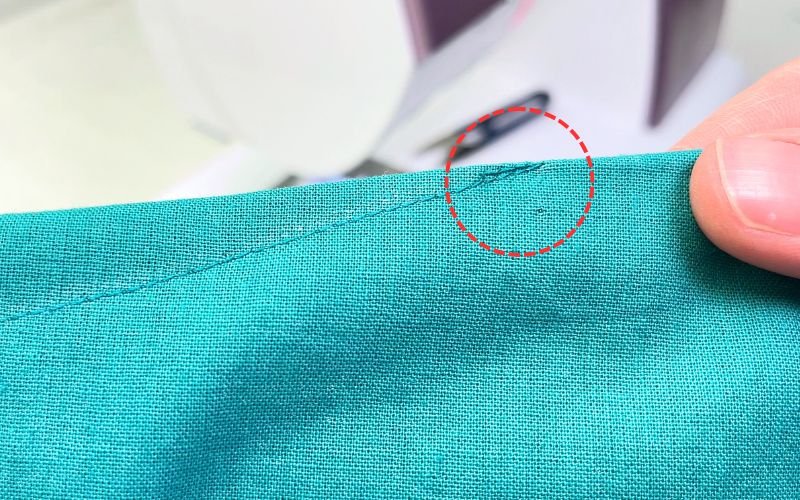
The only time when backstitching may not work is if you are working with a sheer or very lightweight fabric such as silk or rayon or the dart is so thin that there is not match dart intake at the tip. In that case, tying off the ends will create a smoother dart tip. When you reach the tip, leave longer thread before cutting it off. Separate the threads and tie a double knot. Then trim off the excess.
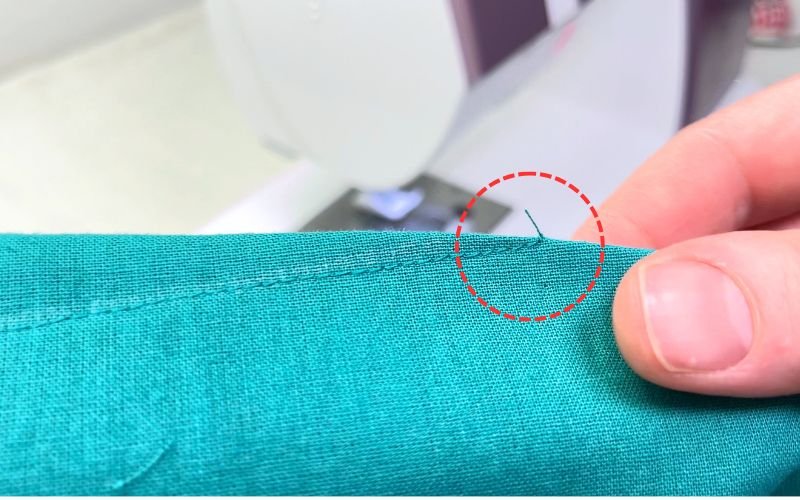
How to Sew a Closed Dart
Closed darts appear as a combined waist and bust dart at the front and the back waist dart.
You have two options, either sewing from tip to tip or sewing from dart base (the widest part of the dart) to the tip.
When sewing from the tip to tip, you can backstich at the start and end as you did for the tip in an open dart. Or you can leave longer threads at the start and end like you did above. I am a busy mum who has little time for book perfect execution so I mostly backstitch all my darts unless I am using a sheer or a lightweight fabric.
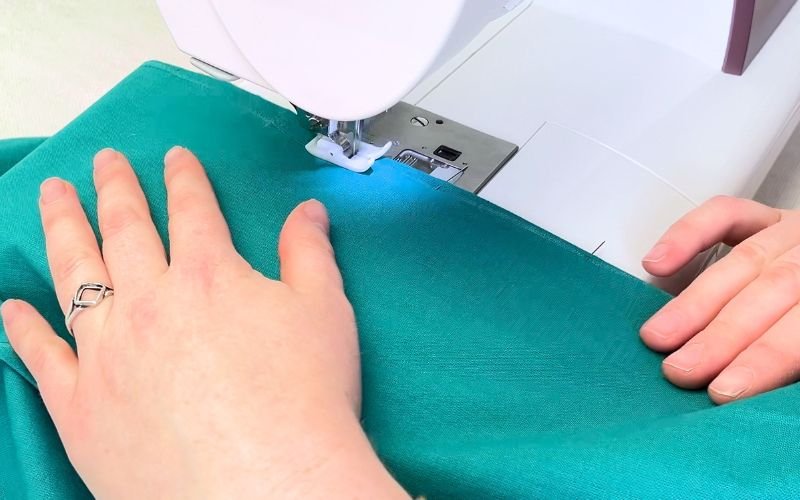
Alternatively, start your dart at the widest part at the dart base and complete one end of the dart the same way as you did the open dart. Then pivot and turn the fabric to sew the other end of the dart. However, make sure that you start the other side of the dart exactly at the point where you started the first side, to reduce the chance of a gap in the middle of the dart.
If you sew the closed dart with the pivot method, you may need to reposition the pins on opposite side so that you can see and remove them better.
Step 6 – How to Press Darts for a Professional Finish
Pressing the dart is what will make the dart sit flat and create a precise lines.
First, press the dart as sewn to blend the stitching. This removes any waviness at the stitch line and makes the thread blend in with the fabric.
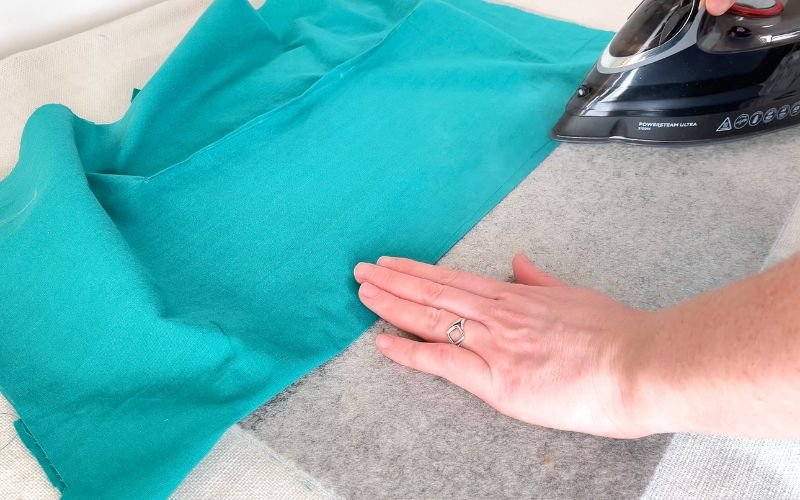
Then, using a tailor’s ham or a rolled up towel, press all the vertical darts to the centre of the pattern and all horizontal darts down towards the hem. The back shoulder dart either neither vertical not horizontal, so you can press it either direction. In most cases I tend to press it towards the armhole but there is no strict rule on this one.
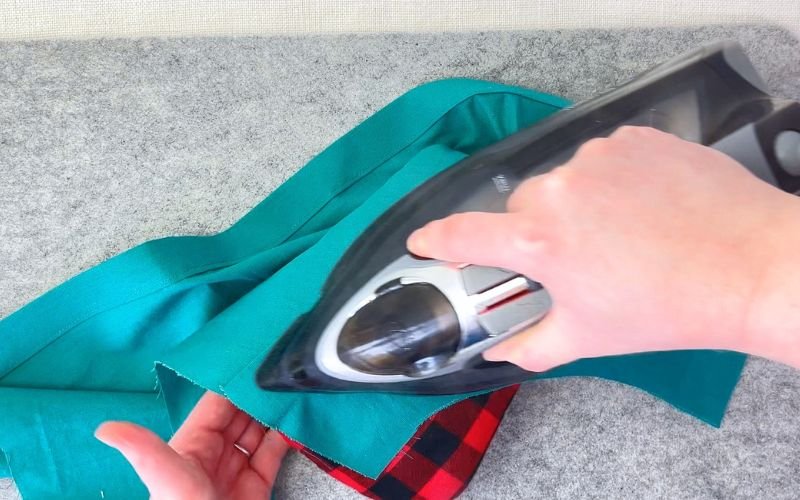
Press the dart from the wrong side. Pressing from the right side may lead to iron burns or shiny fabric. However, there are occasions when pressing from the right side is unavoidable, when you need to fix the dart tip or make the seam line crisper. In these instances, use a lightweight cotton fabric on top to protect the shirt or dress underneath.
If you have a closed dart that has more than 2 cm intake at the base, you can carefully snip the dart intake to make it sit smooth. Be careful to leave at least 5mm from the stitching to stop the fabric from unravelling.
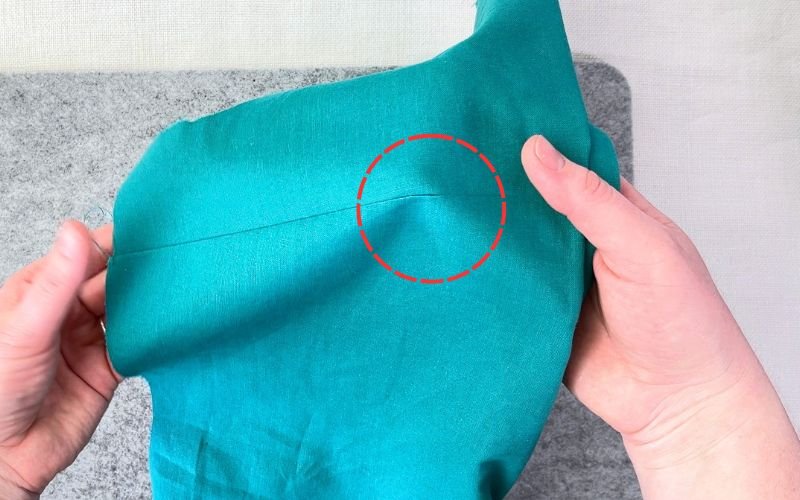
Common Dart Sewing Mistakes and How to Fix Them
These are common dart sewing issues that I have experienced and have come across:
- Pucker at the tip of the dart:
- Cause: There is a gap between the last stitch and the dart fold line.
- Fix: Sew the dart all the way to the seam, with the last stitch as close to the seam line as possible.
- Messy lump at the tip of the dart:
- Cause: There is a thick seam at the tip.
- Fix: Backstitch into the dart intakes or tie off the threads.
- The stitching line does not match up with the other dart leg.
- Cause: The dart was not folded exactly in the middle of the dart intake
- Fix: Draw a fold line guide before folding and sewing the dart.
- The dart is not crisp:
- Issue: The dart was not pressed correctly.
- Fix: Press the dart flat as sewn and then use a tailor’s ham or rolled up towel to press the dart down or towards the centre.
Shirt Sewing Series: Step-by-Step Shirt Making Guide
This post is part of a larger step by step shirt pattern drafting and sewing series.
- How to draft a shirt pattern from scratch for begi nners
- How to sew a shirt button stand
- How to trace and sew darts (this post)
- How to sew and attach a collar and collar stand to a shirt (future post)
- How to sew shirt cuffs step by step for beginners (future post)
- How to attach a shirt placket(future post)
- How to sew shirt sleeves (future post)
- How to sew a shirt (future post)
I recommend following these steps in order if you are drafting and sewing a shirt from scratch.
FAQ: Transferring and Sewing Darts
Conclusions: Mastering Dart Sewing for Better Garment Fit
Learning how to transfer and sew darts correctly gives you full control over garment fit. Once you understand how to mark darts accurately and sew clean dart tips, you can confidently apply this technique to shirts, dresses, and other fitted garments.
The precision and accuracy of the dart marking and sewing will come with practicing the same method over and over again until it becomes a second nature.