In this beginner-friendly tutorial, you will learn how to draft a button stand step by step using a bodice block, explaining exactly how to calculate the correct width for any button size so your finished garment sits flat and professional.
I draft all of my shirt and shirt dress patterns from a basic bodice block, and this is the exact method I use when developing my own handmade wardrobe.
I absolutely love a buttoned shirt and shirt dresses and I have made many for myself. Learning how to correctly create a button stand will expand your options for more fun and empowering handmade clothes.
What Is a Button Stand in Sewing?
A button stand (also called a button placket) is a structured extension added to the centre front of a bodice pattern to support buttons and buttonholes. It must be drafted wide enough to frame the button securely, yet proportioned correctly to prevent the fabric from lifting at the edge.
In pattern drafting terms, the button stand is calculated from the true centre front line and built outward as an extension.
Button stand appears on the front closure of shirts, dresses, jackets and coats. It is a reinforced area that is extended beyond the centre front line of the bodice block, larger than the chosen buttons.
When Do You Need to Draft a Button Stand?
You will need to draft a button stand for the centre front opening if you want to convert your basic bodice block into a shirt pattern. It can be created for a garment cut on fold where a placket is needed for the upper part of the shirt only, such as for the polo shirt. In this tutorial I will be specifically addressing the extension to the whole centre front opening.
A button stand will also be required if you want to make a cardigan from a bodice block for knit fabrics, and the process of drafting button placket for knit fabrics is the same as for the woven fabrics.
Typically, the button stand is 2cm to 3.5cm wide, however the width is influenced by the width of the buttons and your own aesthetics. As a practical guideline, the finished button stand should be at least 0.5–1 cm wider than the button diameter to provide visual balance and structural support. In this post I will explain how you can assess which option is best suited for your needs.
Tools You Need for Drafting a Button Stand
All the tools needed for the button stand drafting are listed below. All these are from my essential list of pattern drafting tools.
- Grading ruler
- Long ruler
- Pencil
- Eraser
- Paper
How wide the button stand should be
Before you jump into button stand pattern drafting, you need to decide the width of the button stand. The width of the button stand is firstly influenced by the size of the button and then by the aesthetics.
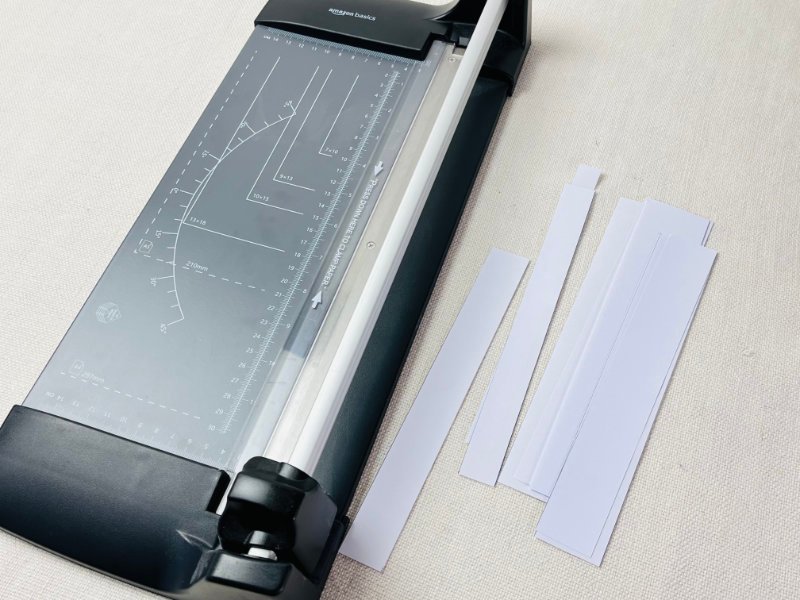
When you have decided on which sized buttons you are going to use, cut several strips of paper in varying width, starting at 0.5 cm wider than the width of your button and going up in increments of 0.5 cm.
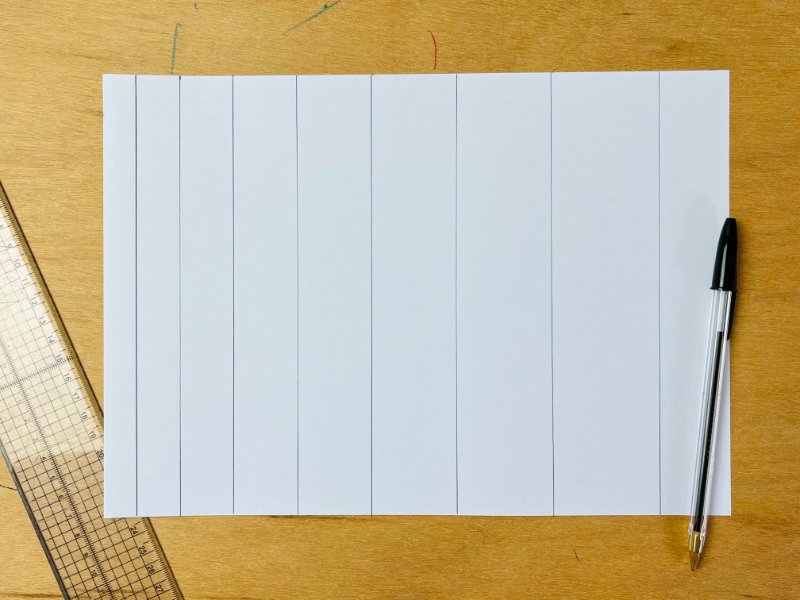
Line up all the strips of paper and place the buttons in the middle, on the centre line.
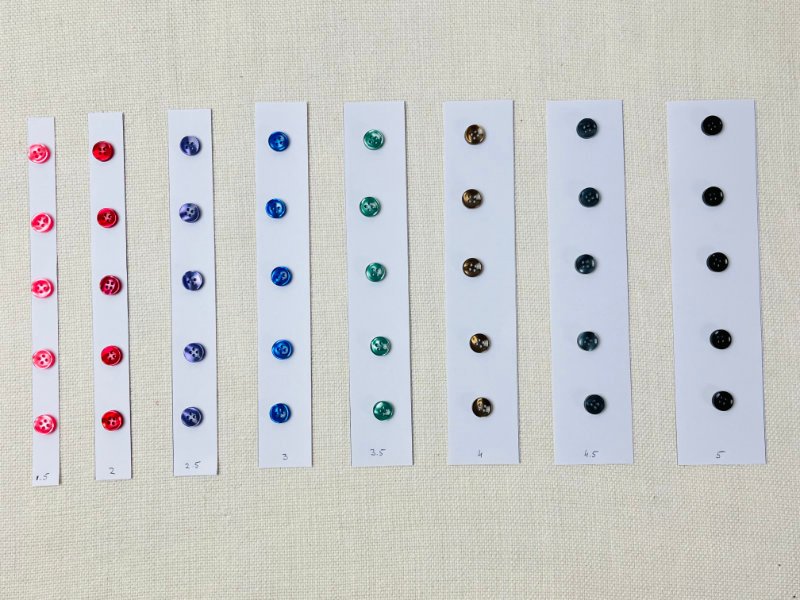
Now assess which option looks the nicest visually. My preference is to use 2.5 cm wide button stand for 1 cm wide buttons but narrower and wider button stand look good too.
This visual testing method prevents committing to a proportion that looks correct mathematically but appears visually heavy or narrow once stitched.
How to Add a Button Placket to a Shirt Pattern – Step by Step
Step 1 – Mark the Centre Front Line
You have an option to either draw a separate button placket that you can add to the shirt block at fabric cutting stage. Or extend a button stand on the traced bodice block. Either option is fine but you will need to keep I mind how the seam allowances are added.
The easiest option is to draft the button stand on the modified bodice block, and this is the method that I personally use to maintain control over centre front alignment.
Regardless of the method chosen, either draw or note the centre front line of the bodice block. This is the line on which the buttons will be attached or the buttonholes sewn.
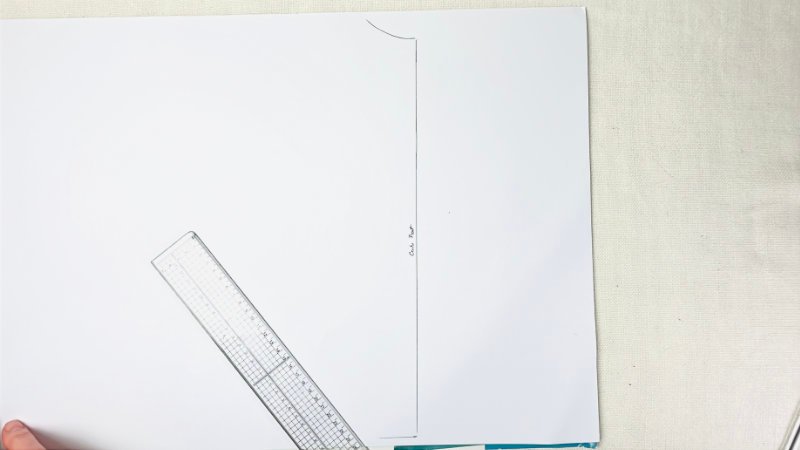
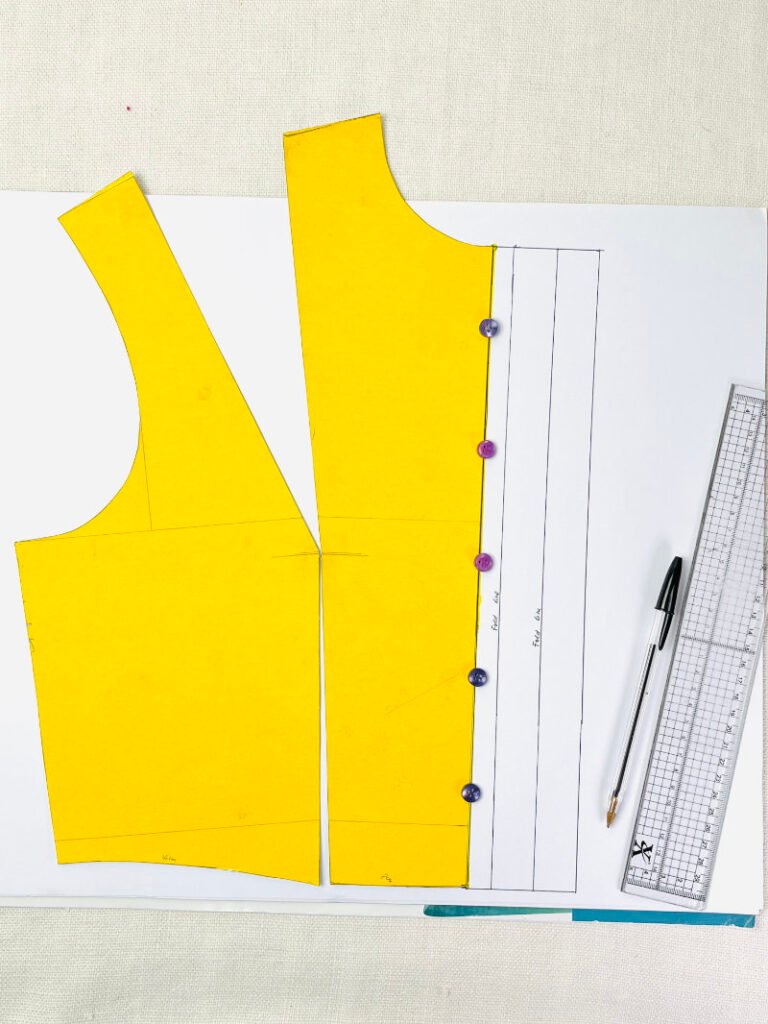
Step 2 – Add the Button Stand Extension
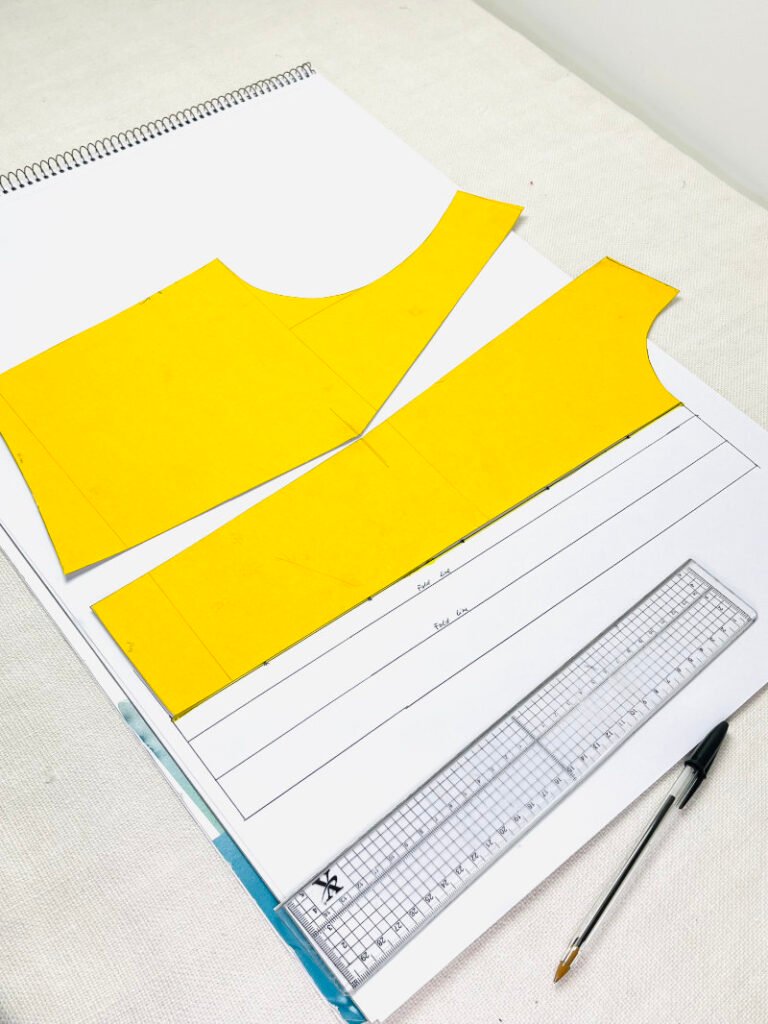
Next, from the centre front line, draw a parallel line that is half width of your chosen button stand width. So, for 2.5 cm wide buttonhole, the first parallel line is 1.25 cm to the right from the centre fold line.
Then, from this line draw two more parallel lines that are the width of your chosen button stand each. In my example, each next parallel line is 2.5 cm away from the previous.
Next, at both ends of the outer line draw perpendicular lines, connecting to the centre front line to complete the button stand.
You should have a completed extension that measures 2.5 times the width of the final button stand width. My extension is 6.25 cm wide.
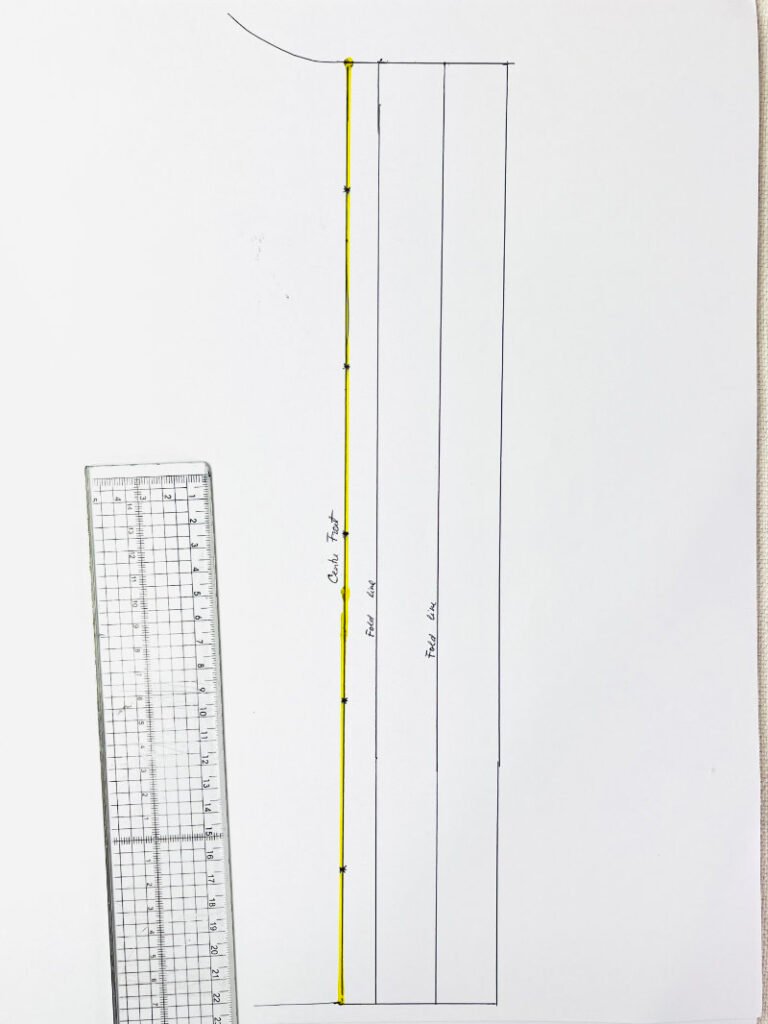
Formula
Total extension width = 2.5 × finished button stand width (for a continuous cut-in-one button stand).
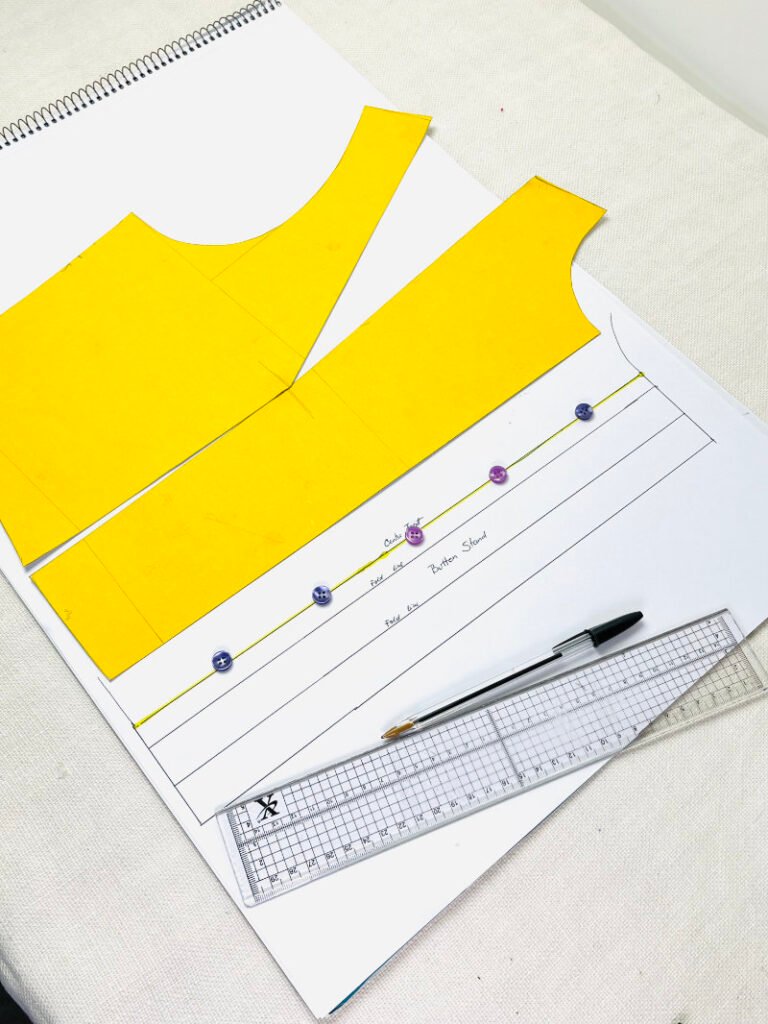
Step 3 – Mark Fold Lines and Button Placement
The middle lines are your fold lines. You will need to mark the notches for the centre line on your fabric. The fold line transfer is optional as you can measure the exact width when folding the button placket on the fabric. However, you do need to make at least a note on the button stand of the width of button stand and where the fold lines should be.
The first fold line will be the visible edge of the button stand and the second fold line will be hidden on the wrong side of the garment.
The centre line remains the functional button placement line and should never shift during drafting or seam allowance adjustment.
Next, mark the location of the buttons and buttonholes on the button stand’s centre line. The buttons should be spaced 6 -10 cm apart, with narrower spacing on lightweight fabrics to reduce gaping and wider spacing on medium and heavy weight fabrics.
Good Practice
For fitted garments, position one button directly at or just above the bust point. This reduces strain and prevents gaping in close-fitting shirts.
Button Stand Variations
There are three main variations to the button stand, with different applications for each.
Continuous Button Stand (Cut-in-One)
A continues button stand that is cut into one with the front garment, are the most widely used in home sewing and on shirts and dresses. The button stand matches and blends with the rest of the garment. The above instructions addressed the steps that you need to make to create a continues button stand.
This method is the most common approach in shirt pattern drafting and is ideal for beginners learning garment construction fundamentals.
Separate Button Placket
A separate button placket reduces the fabric waste and can add an interest to the final garment if cut in contrast fabric. It can be used on shirts and dresses alike. A separate placket is frequently used in professional garment manufacturing to reduce bulk and control fabric grain direction.
The button stand pattern will need to be adjusted to be the twice the width of the final button stand width, and you need to include seam allowance.
At the same time, the front bodice pattern needs to be adjusted at the centre front line. You need to set the centre front line to inside the half width of the button stand, and add seam allowance that matches the seam allowance on the button stand. In my seam allowance post I have addressed how to avoid mistakes when adding seam allowances to your sewing patterns.
Concealed Button Placket
A third variation is a concealed button placket that hides buttons. For this variation you will have two different front bodice pieces for continues button stand or two separate button plackets.
The button stand that will hold buttons are completed as above. You then need to modify the button stand for buttonholes to include two further folds, each the width of the final button stand width. So, for a continues button stand, the extension will be 4.5 times the width of the desired button stand while the separate button placket will need to be 4 times the width of the button stand.
Concealed plackets require precise fold calculations, as even a 2–3 mm drafting error can affect alignment and button visibility.
Common Button Stand Drafting Mistakes
These are the common button stand drafting mistakes that I have seen, with my suggested quick fixes. These errors are common in early pattern drafting stages and can significantly affect garment balance and closure alignment.
- Incorrect button centering.
- Fix: Mark the centre fold line with a highlighter before you add the button stand extension.
- Garment gaping at the bust.
- Fix: Place the first button at the bustling. Then space the other buttons equally on both sides.
- Not adjusting neckline.
- Fix: Draft the completed shirt or dress block first with the desired neckline shaping before drafting the button stand.
- Forgetting to adjust the centre front line for separate button placket.
- Fix: Make the adjustment to the centre front line before drafting the button placket.
- Not creating different front patterns for concealed button placket.
- Fix: Draft the continues or seperate button placket for the button stand first. Then modify the button stand for buttonholes.
How Button Stand Drafting Affects Construction
When you add a button stand to the fashion sewing patterns, you will need to include an interfacing to one of the folds that is the width of the completed button stand to stabilise the fabric. For lightweight fabrics, choose a fusible interfacing with similar drape to avoid creating stiffness that distorts the centre front line.
Before the buttonholes or buttons are attached, you will need to topstitch the folds to keep them in place.
As there will be more fabric at the button stand, you may need to increase the size of the machine needle for topstitching the button stand and sewing buttonholes and buttons. Always test stitch on layered scrap fabric that mimics the final button stand thickness before sewing the garment.
Final Pattern Checklist Before Cutting Fabric
Button stand drafting may appear simple, but precision at this stage directly influences how professional the finished garment looks. Accurate centre front alignment, correct width proportion, and thoughtful button placement separate a handmade garment from a homemade one.
Once you have drafted the button stand pattern, check that you have:
- Centre front labelled
- Fold lines marked
- Seam allowance added
- Buttons positioned
- Interfacing noted
Frequently Asked Questions on Button Stand Drafting
Final Thoughts and Conclusions
Button stand drafting may appear simple, but precision at this stage directly influences how professional the finished garment looks. Accurate centre front alignment, correct width proportion, and thoughtful button placement separate a handmade garment from a homemade one.