If you want to start drafting your own sewing patterns, you do not need a studio full of specialist equipment. In this guide, I will show you the essential sewing pattern drafting tools I personally use, explain why they matter, and help you avoid buying tools you do not actually need.
I have been drafting my own sewing patterns for over 10 years, creating custom blocks and garment patterns tailored to my pear-shaped figure. Every project on this blog begins with a self-drafted pattern, so this list reflects real, practical experience — not theory.
When I started, I did not know which tools I will need and bought more than I needed or ever use. To the core sewing pattern drafting tools are the actual toolkit that I use on pretty much all my sewing projects.
What Tools Do You Need for Pattern Drafting?
The essential pattern drafting tools fall into three main categories:
- Measuring tools
- Marking tools
- Pattern paper and manipulation tools
Below, I explain exactly which tools are worth investing in and which ones are optional.
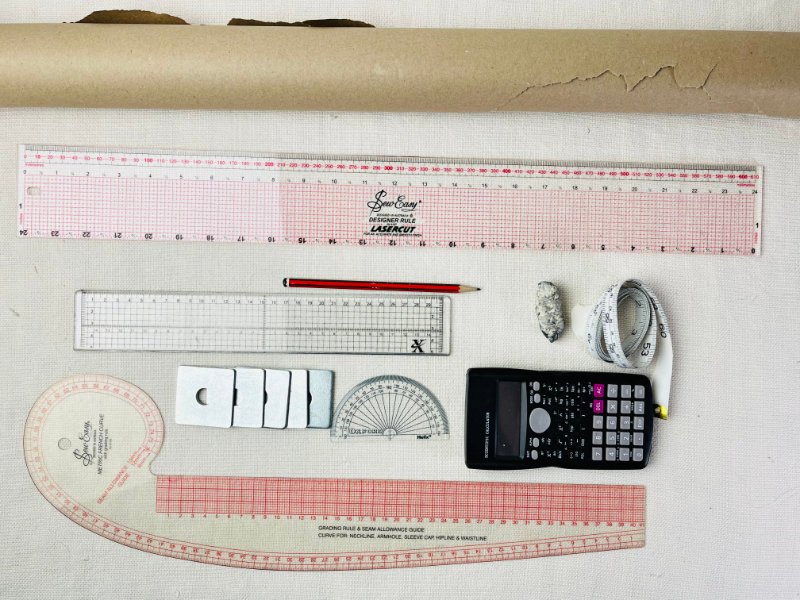
Core Sewing Pattern Drafting Tools (My Everyday Essentials)
These are essential tools for pattern drafting that I use regularly.
1. Grading Ruler
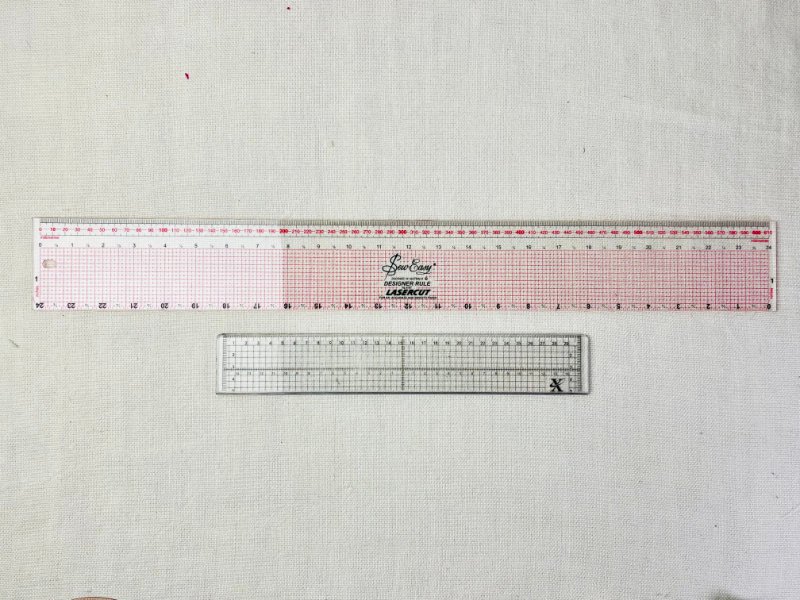
The key and my most trusted tool is the grading ruler. It has 5mm grid that not only allows for the seam allowances to be added but also draw straight angles from any point. The gridline speeds up the accurate marking and is super useful for adding different seam allowances effortlessly.
The one I use has a metal edge to use with rotary cutter but I never use it for fabric cutting so it is not an essential attribute.
I use the grading ruler for all pattern drafting projects and beyond, and this is the tool that I highly recommend for any new and experienced sewist.
2. Pencil
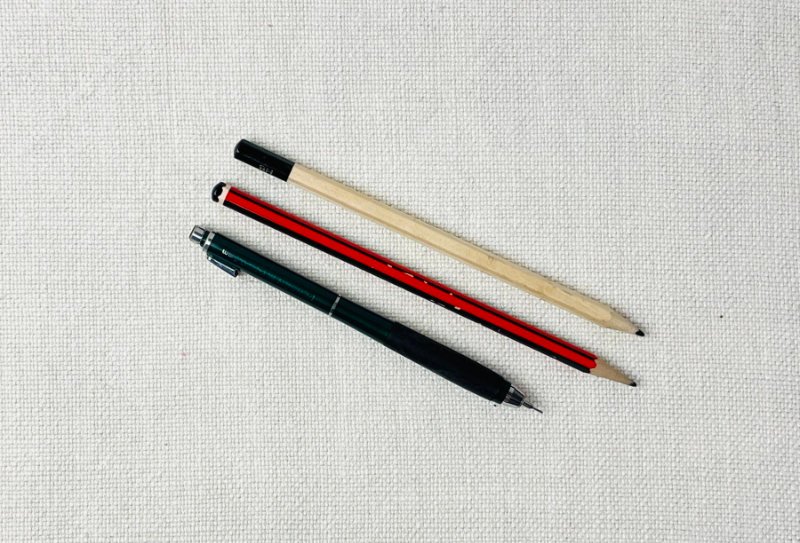
A pencil is one of the most important pattern drafting tools because it allows you to adjust lines as you refine the fit. I find that regular HB or B pencil is more useful than mechanical pencil as it is not as sharp pointed. While a sharp point is useful, it can pierce the paper if you do not use a cutting matt underneath.
The shape point of mechanical pencil is excellent choice when drawing small details or for the initial basic bodice block pattern but for larger fashion sewing projects, like the wrap skirt sewing pattern, a mm variation is not going to make a huge impact. After all, once you cut out the fabric, you inevitably are going to have some minute or more significant shifting of the fibres, resulting into a pattern piece that is couple of mm out from the original pattern, without affecting the final wear.
3. Pencil Eraser
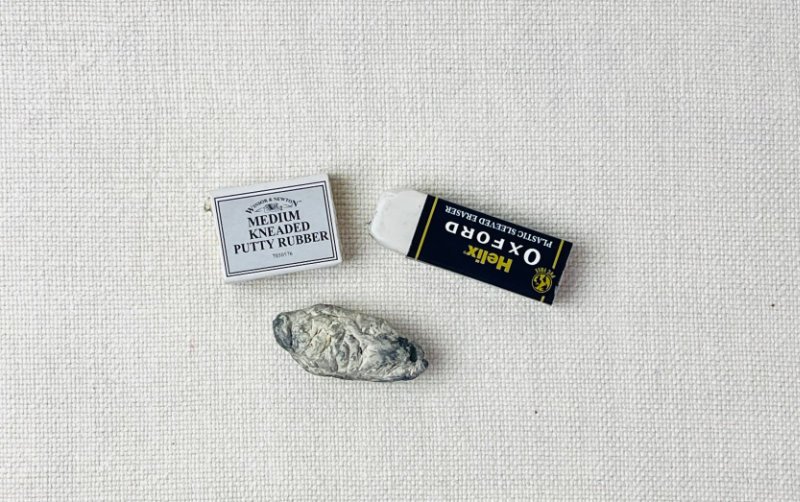
Whenever I am drafting a paper pattern, I always have pencil eraser nearby when the line is not as straight or I have to make adjustments to initial point locations. Mistakes are a normal part of pattern drafting, as are the drafting adjustments that you make to the original pattern after the toile fitting.
I prefer the kneadable putty rubber over the regular pencil eraser as the putty rubber does not leave small debris of rubber behind. These small pieces can lead to a smudgy pattern pieces.
4. Calculator
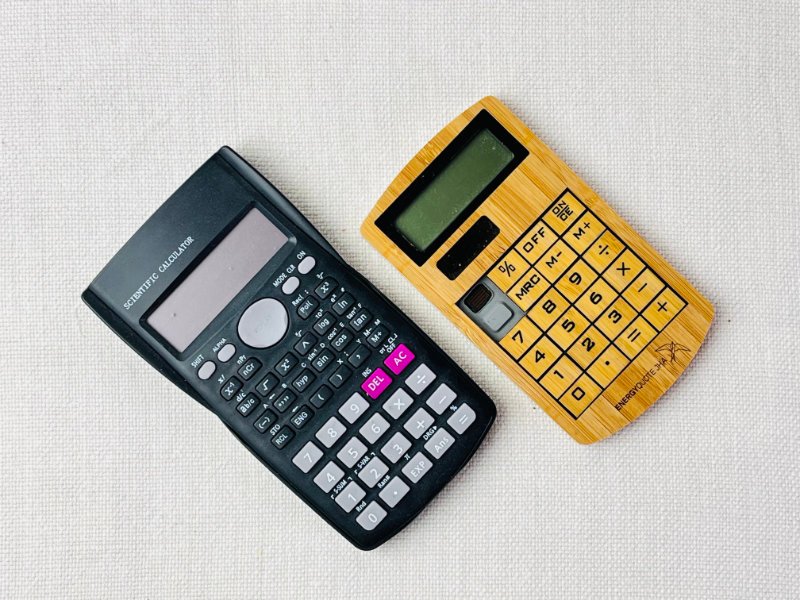
Pattern drafting is one of the few activities that involves using some of the basic maths from school. You will need to do a lot of number splitting in halves, thirds and quarters as well as adding up all the decimal numbers.Which is why a reliable calculator belongs on every pattern maker’s tool list to prevent drafting errors. It does not matter which one you are using but my preference is for a scientific calculator where I can see the numbers used for calculation in case I made a mistake.
I also prefer the actual calculator rather than my phone, computer or tablet, as the calculator is light and is used for only this purpose. I usually use my phone for filming and photos, computer for references and tablet is claimed by my kids as soon as I want to use it. 🙂
5. French Curve
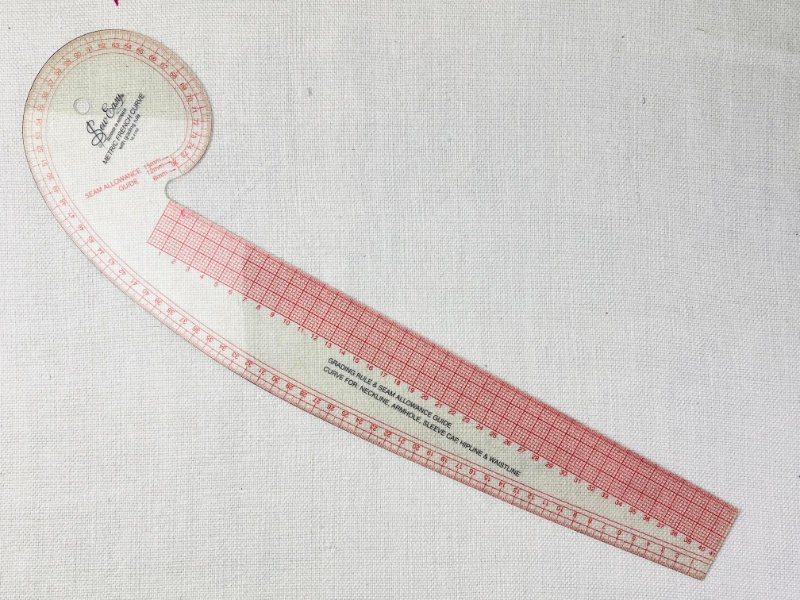
French curve ruler for sewing pattern drafting is irreplaceable. It gets used to draw smooth curves on armholes, necklines and hip curves, smoothing out curved hems and waistline on basic bodice blocks.
On a smaller curves such as neckline or on baby drool bib you can eyeball the curves and draw freehand, but the larger curves and sleeve cap drafting requires accurate curves to ensure that the pieces fit together.
My French curve comes with grading ruler too but I do not tend to use it as it is harder to manipulate and move the akward shaped curve.
6. Long Ruler (60cm or longer)
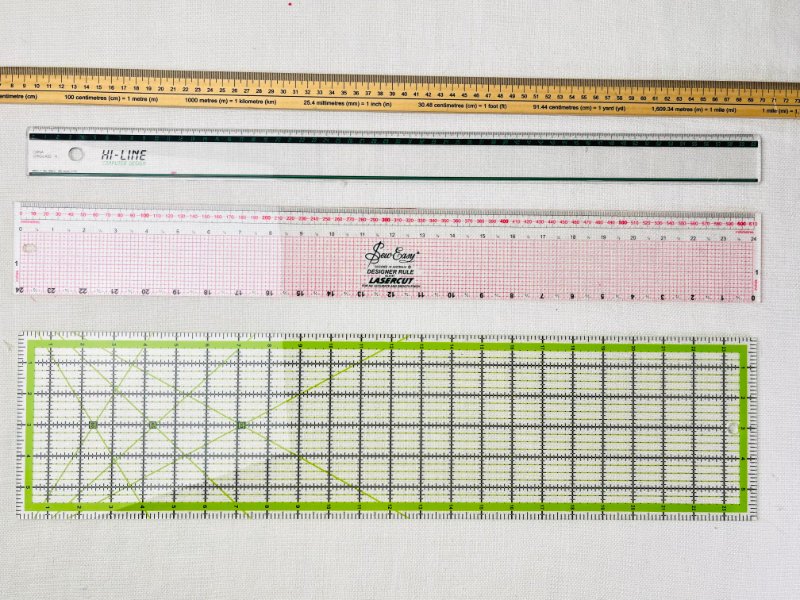
For a complete set, you will need a long ruler that is at least 60cm long, to draw the centre back or centre front lines, connect points on opposite sides or extend the squared lines.
I intermittently use long quilting ruler or long grading ruler but either are fine for connecting the points. My current favourite is long quilting ruler as it is wider. However, if I need to measure a distance that is longer than the shorter grading ruler, then I would opt for a long grading ruler, a yardstick or simple long ruler.
If you have budget for one, get a long grading ruler (in addition to 30 cm one) as it will be more versatile.
A yardstick is fun but I very rarely use it as it is just too long for most projects.
7. Tailor’s Chalk / Soap
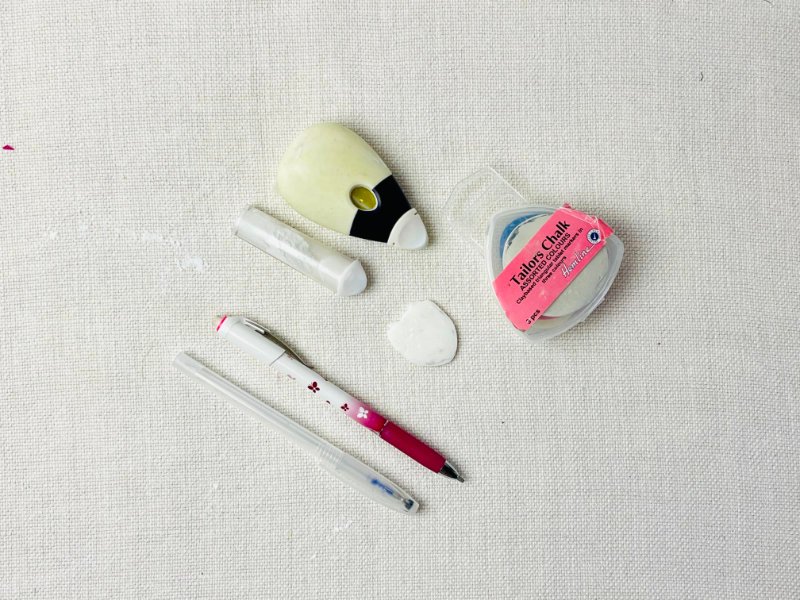
The tailors chalk or piece of sharp soap is super useful if you want to draw seam allowances on the fabric rather than making a separate paper pattern (I go deeper on this topic in my post on how to add seam allowances to sewing patterns).
I do not draft paper patterns for simple rectangle shapes, such as waistbands or D-ring tabs . Instead, I use soap or removable fabric marker to draw directly on the fabric as I did on this DIY laptop bag sewing project.
My preference is soap as fabric marker. It is very budget friendly if you use bar soap at home. Instead of throwing the tiny leftover bits of soap in the bin (or sticking to the next bar of soap), keep it aside in your sewing tool box. Soap lines then can be removed by heating with steam iron.
Unfortunately, the soap can be used only on darker fabrics. On a light fabric I use heat removable fabric marker pen. I am pretty sure it is soap based too with some dye added as it behaves very similar to soap.
The only time I would use chalk, is for marks that I do not want to be removed by heat. Quite often I would use a basic graphite pencil too if the mark is in the seam allowance or will be cut off later. I am not a great fun or chalk as it is a little tricky to use. It pulls fabric and does not leave a smooth line unless you sharpen the chalk regularly. It can also leave dusty marks everywhere!
8. Tape Measure
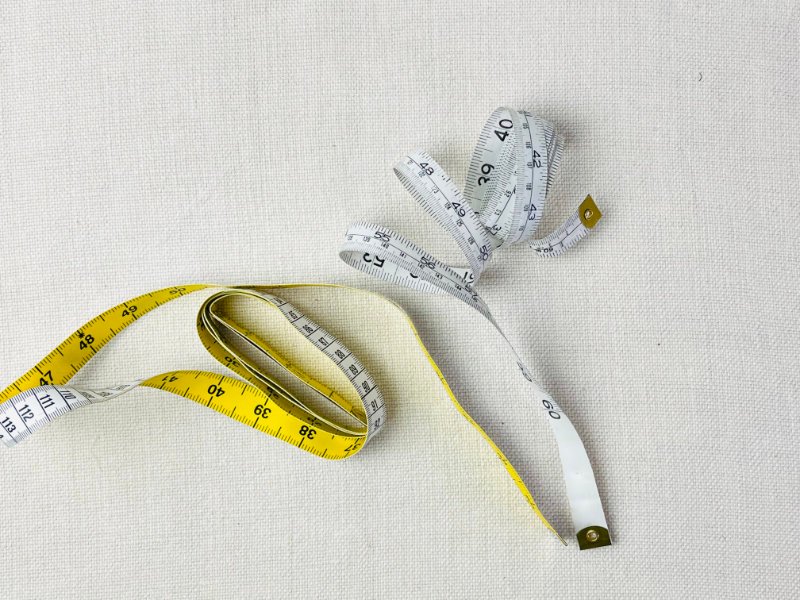
A tape measure is essential for accurate body measurements and is one of the most frequently used tools in garment pattern drafting. It can be used for drafting circle or A-line skirts, connecting or remeasuring the waist to hem distance.
Quite often I would grab tape measure for measuring the distance for points instead of grading or long ruler. However, you need to check the accuracy o f tape measure from time to time. As it is made from a flexible material, the tape measure can stretch over time, leading to inaccurate readings. To check the accuracy of the tape measure, place it against a plastic ruler and compare the measurements. If they match then you are all ok, but if they do not, you ma need to replace the tape measure or make sure that you include the adjustments in your pattern drafting.
I prefer a tape measure that has both the metric and imperial measurements on it. While I mostly work with metric system for better accuracy, some projects are easier with imperial measurements where the accuracy is not mandatory.
9. Pattern Paper
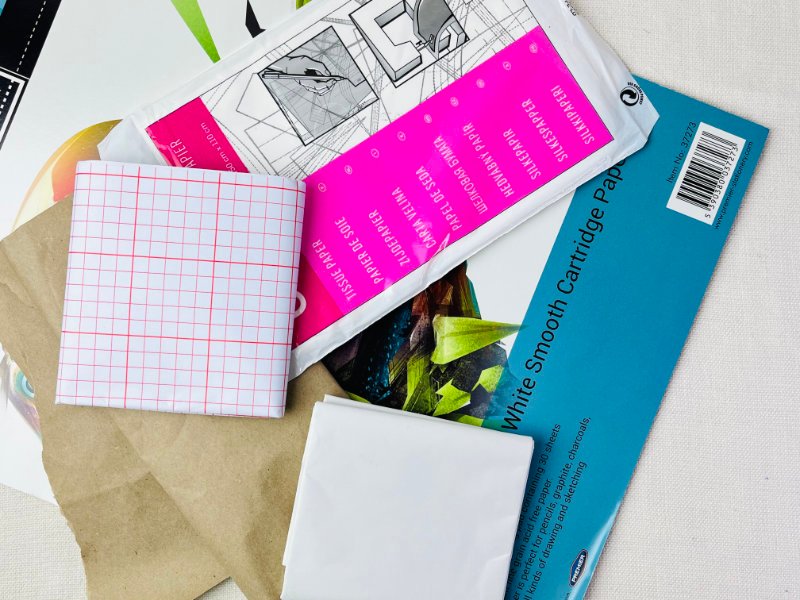
There are a lot of fancy pattern papers out there – some tissue paper for tracing, some dots and crosses or square paper. While all of them are useful and fun, they tend to be more expensive choice. Especially considering that most first appear patterns will be thrown out until you get comfortable with drawing.
I used brown craft paper before working on blog posts for a very long time. The craft paper comes on roll and you will need to flatten it with steam iron to stop it rolling onto the drawing area. It can be a little inflexible when making darts as it does not want to fold as nicely but it I still possible to get accurate sewing patterns.
These days I use A1 sized Flipchart paper for larger projects or A2 smooth cartridge paper for smaller projects. I prefer the A2 cartridge paper as it is thicker and therefore easier to lay on fabric before cutting (it adds extra weight and stability). However, the larger paper is more expensive and you will need to stick several pieces together to fit your pattern.
You can use a basic A4 printer paper and stick several sheets together. However, the seams will become burdensome when you ned to manipulate the paper by folding it for darts or various pattern embellishments.
Once you have created a basic sewing pattern that fits well, I would recommend retracing it on a cardstock. I like the large colourful A1 cardstock that you can get from crafts shops. They are neither too thick not too thin and one side is colourful while the other is white, making it a great option for adding some colour to the crafts room.
10. Paperweights
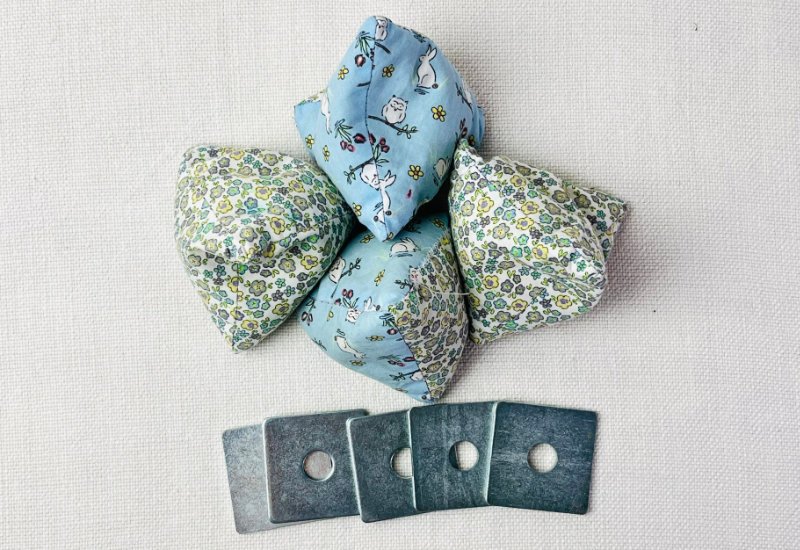
The basic bodice block patterns get traced onto a separate working sheet for manipulation to create a fashion sewing pattern. To trace the block onto the paper, you will ned to use paperweights or fabric weights to prevent shifting.
The paperweights or fabric weights speed workflow as you can align several patterns together and trace around all of them to get the desired shape.
I like to use the metal washers that I bought as a box of 25 from a local hardware store inexpensively (especially when compared to more fancier fabric weights). However, you can make your own fabric weights with rice and fabric. I will create a tutorial at some point to show how I made the ones that I have.
11. Protractor
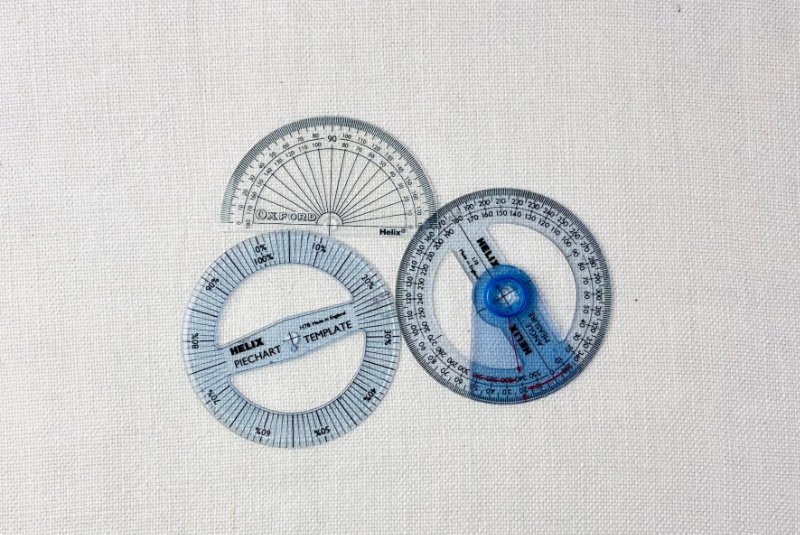
I use protractor a lot for drafting well fitting cuff line on sleeve patterns and to draft shoulder slope like I did on this T-shirt pattern. This is the only time I use protractor since leaving school! 🙂
12. Low Tack Tape
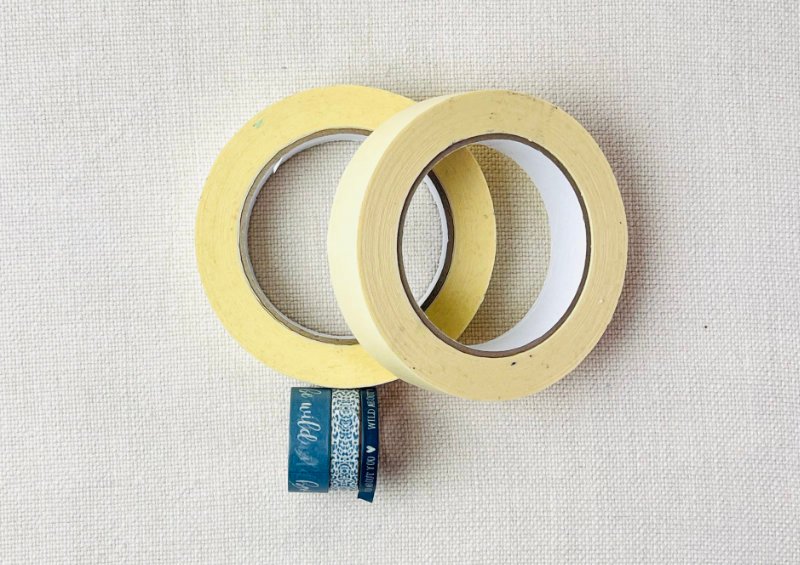
A low tack tape is very useful for temporary pattern manipulations, such as keep the dart closed on this basic bodice block tutorial. I also use it to join smaller paper pieces together to accommodate larger pattern piece or if I need to extend the pattern.
You can find low tack tape in most DIY and hardware stores, near the painting section. They are used to keep dust sheets secure.
Optional Pattern Drafting Tools (Nice But Not Essential)
These are optional pattern drafting tools that you do not need immediately, and probably will never use. I have bought all of them over time but they are mostly gathering dust.
Large Pattern Square (L-Square)
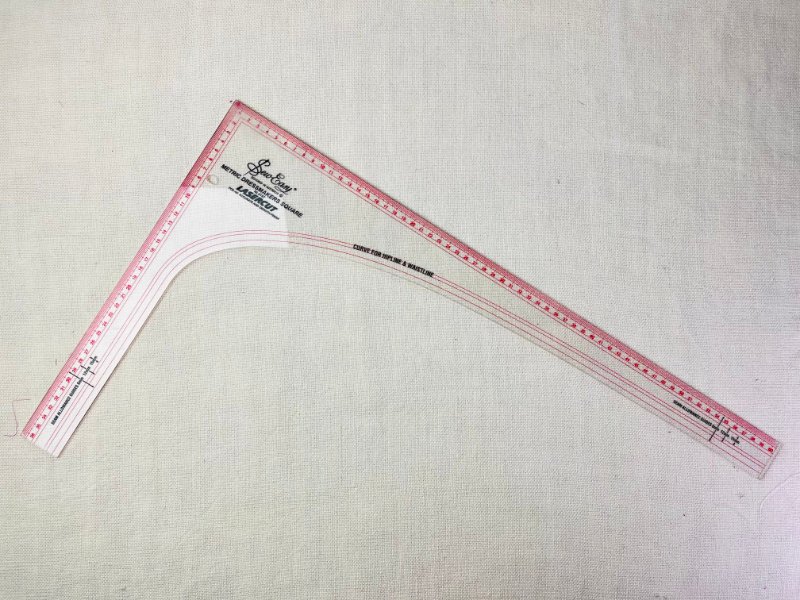
L-square ruler is used for professional drafting and faster grid creation, however their usefulness heavily depends on the type of the ruler, with thinner metal L-squares being more useful.
A long square ruler in theory should make drafting straight angles easy. In reality, they are clunky and are not that precise. The outside 90 degree angle point is too thick on plastic ruler to join both sides together unless you have a thin metal ruler.
I do not end to use square ruler at all as the grading ruler is more accurate and precise for creating a straight square angle using the gridline. If a longer line is required, the shorter line can be extended with a long grading ruler by careful alignment work.
Flexible Curve Ruler
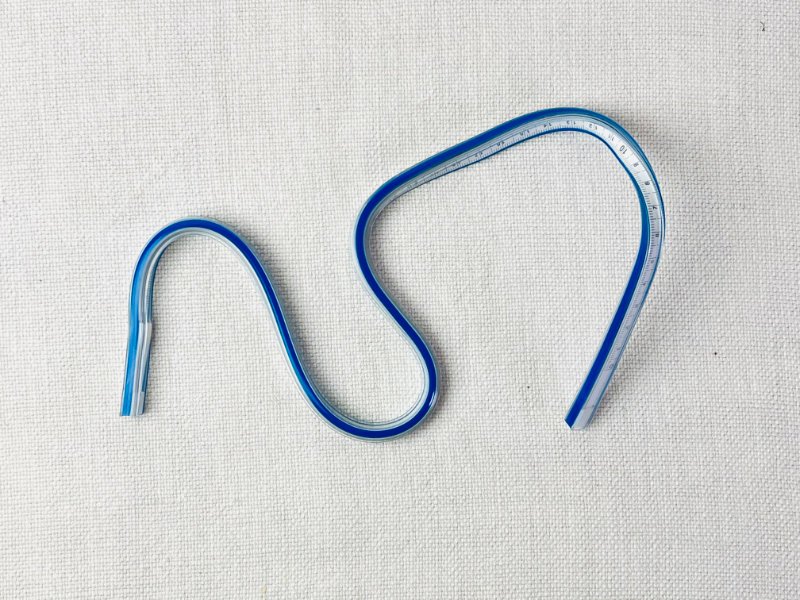
Flexible curve ruler is great for drafting complex curves on fashion pattern. It is not necessary for basic pattern blocks and you can replicate the curves by using a combination of straight ruler, protractor and French curve.
Tracing Matt
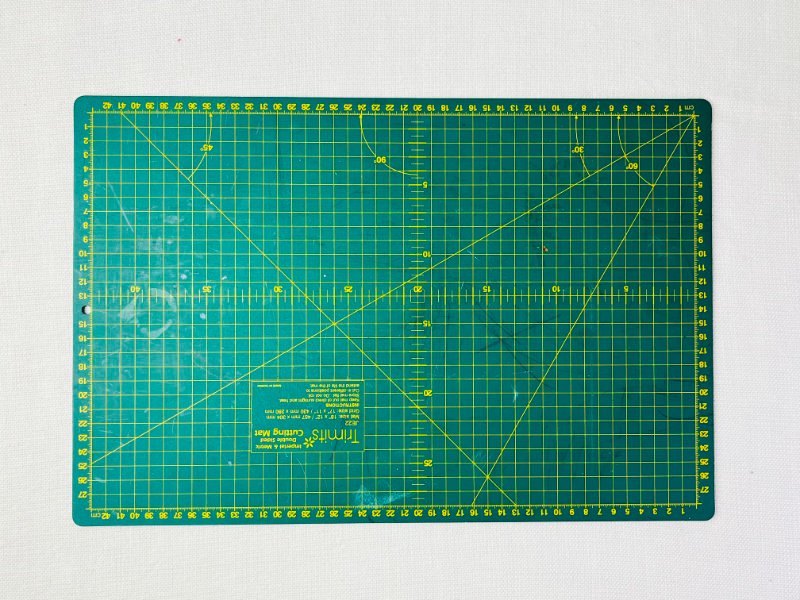
Tracing matt is great surface on which to place the pattern paper for drafting. However, it not necessary if you have flat smooth table on which to draft your pattern.
I use the tracing matt regularly and I find it useful but I can get away with just my dinner table or sewing table in a jiffy.
Tracing Wheel
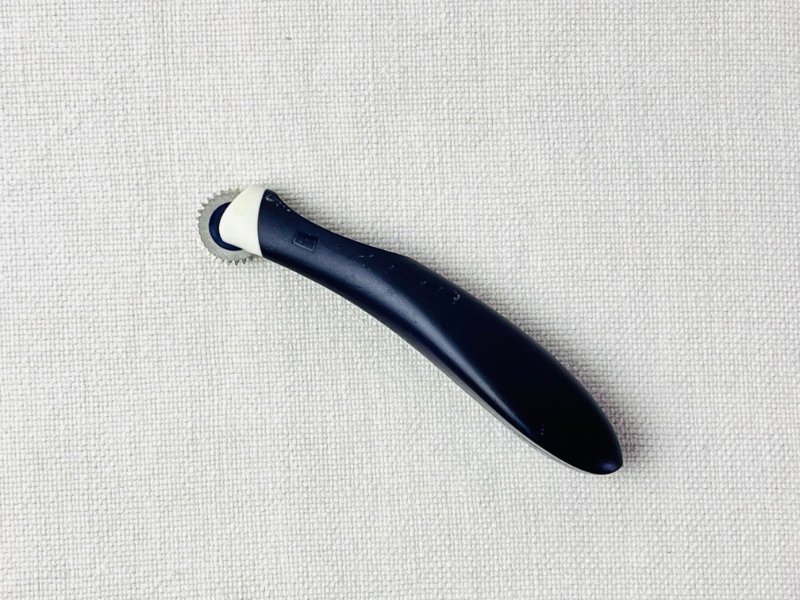
Tracing wheel is used for tracing commercial pattern pieces onto a drafting paper. However, I occasionally use it to transfer darts lines on the basic bodice blocks. The same result can be achieved my remeasuring the length of the dart sides or by folding the dart together and eyeballing the location of the base and connecting the sides with a French curve.
Torching wheel can be more helpful in transferring the darts or design marks on the fabric with carbon paper than on actual drafting process.
What I Recommend If You’re Just Starting
If you are just starting out, this is the pattern making tool list I would recommend as initial investment, then adding other optional items as you draft more and more.
- Good grading ruler
- Pencil
- Eraser
- Long ruler
- Tape measure
- French curve
- Paper
- Protractor
If you are drafting your first basic block, start with my basic bodice block tutorial for beginners.
Why Good Tools Matter in Pattern Drafting
Good pattern drafting tools improve accuracy, speed, and consistency. Clean, precise lines result in better seam matching, smoother curves, and fewer fitting issues during garment construction.
Over time, using reliable drafting supplies builds confidence and reduces frustration — especially when working on fitted garments such as bodices, sleeves, and skirts.
Common Mistakes When Buying Pattern Drafting Tools
One of the biggest mistakes beginners make is buying specialist pattern rulers before understanding basic drafting principles.
Expensive multi-curve rulers will not fix fitting issues. Accurate measurements, clean lines, and careful adjustments will.
Start with the essential pattern drafting tools listed above, master the basics, and upgrade only when your workflow genuinely requires it.
Pattern Drafting Tools FAQ
My Honest Advice About Buying Drafting Tools
You do not need expensive tools or pay for the branded items. Most of the items in my core list can be collected slowly and inexpensively. My advice is not to buy things that look fancy but instead buy the items that solves a real problem. I have seen complete pattern block rulers and templates and I can tell you that neither of them will solve the issue of getting a good custom fit. Instead, invest some time in learning basic pattern drafting and increasing your drafting skills with the essential tools for pattern drafting.
If you are serious about learning how to draft your own sewing patterns, start with these essential tools and focus on building strong drafting fundamentals.
Once you understand pattern construction and fit adjustments, your tools will support your skills — not replace them.
About the Author: Pattern Drafting & Garment Sewing
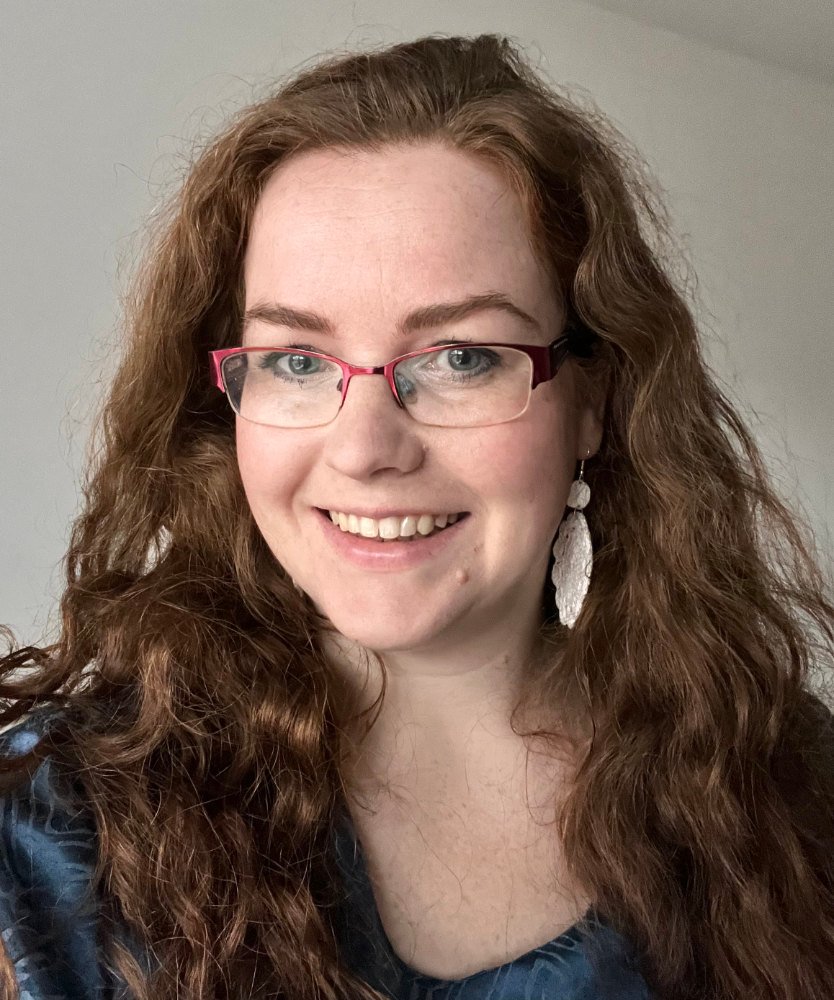
I’ve been sewing for over 30 years and drafting my own patterns for more than a decade. I work almost exclusively with self-drafted patterns, which means I don’t rely on instructions—I rely on understanding how garments fit and come together.
Most of my methods come from figuring things out through testing, adjusting, and breaking down common problem areas using logic and geometry rather than guesswork.
On this site, I share step-by-step tutorials on pattern drafting, garment construction, and sewing techniques to help you create well-fitted, professional-looking clothes from scratch.
👉 Read more about my approach to pattern drafting and sewing here: About Me