When I first started making reusable pads, choosing the backing material felt surprisingly overwhelming. Most commercially available pads used a stay-dry top layer paired with PUL (polyurethane laminate) backing, so naturally that was where I started too.
At first, I was perfectly happy with it. But after using reusable pads long term — through regular cycles, summer heatwaves, and eventually postpartum recovery after my second baby — I realised that the “standard” option was not necessarily the best fit for me.
I wanted reusable pads that dried faster, felt less hot during warm weather, and relied more on natural fibres where possible. That sent me down a rabbit hole of testing different backing materials: waterproof fabrics, fleece options, sweatshirt fabrics, and combinations designed for menstrual, maternity, and light incontinence pads.
In this reusable pad materials series, I am breaking down the pros and cons of the most commonly used fabrics, how they actually perform in real-life use, and which options I personally keep coming back to after extensive testing.
If you are completely new to making cloth pads, you may also want to read my step-by-step tutorial on how to sew reusable sanitary pads alongside this series so you can see how these materials come together in a finished project.
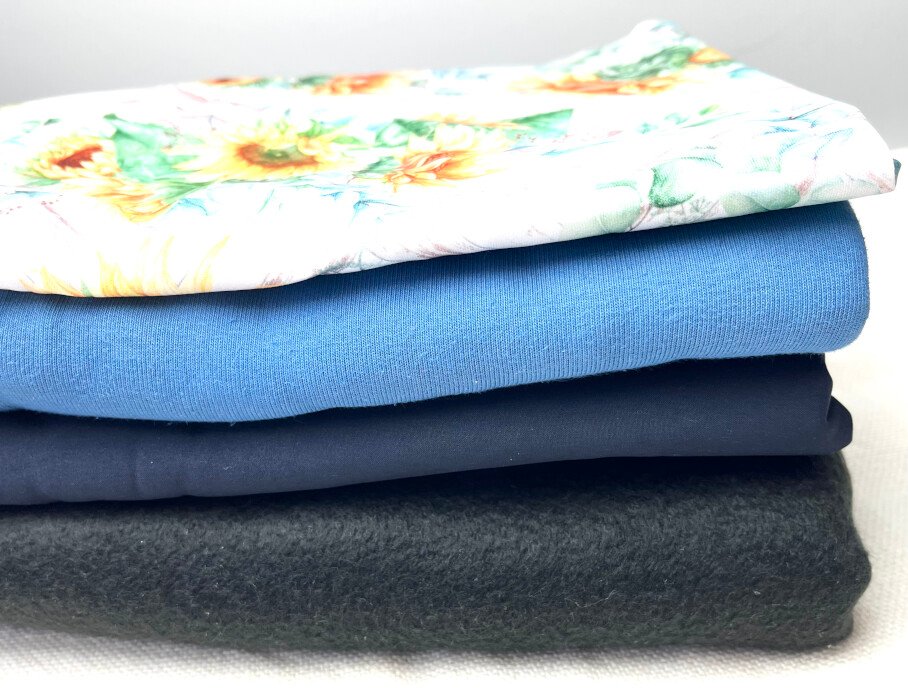
In this first part, we will look specifically at the best backing materials for reusable pads, including:
- PUL
- softshell
- polar fleece
- antipill fleece
- cotton sweatshirt and French terry
I will cover leak resistance, drying speed, breathability, bulk, comfort, and which fabrics work best for different types of reusable pads.
What Does the Backing Layer Do?
The backing layer is what gives a reusable pad structure, leak protection, and durability. Some backing fabrics are fully water resistant, while others rely on dense fibres to prevent leaks while improving breathability and drying speed.
The best backing material for reusable pads depends on what you prioritise most:
- maximum leak protection
- quick drying time
- low bulk
- breathability in hot weather
- natural fibres
- postpartum comfort
In this guide, I will compare the most common reusable pad backing fabrics based on real-life use rather than just technical descriptions.
Quick Comparison of Reusable Pad Backing Fabrics
| Material | Leak Protection | Breathability | Drying Speed* | Bulk | Best For |
|---|---|---|---|---|---|
| PUL | Excellent | Low | Slow | Low | Heavy flow and incontinence |
| Softshell | Excellent | Low-Medium | Slow | Medium | Users who dislike slippery PUL |
| Polar fleece | Very good | Medium | Fast | High | Heavy menstrual flow |
| Antipill fleece | Very good | Medium | Very fast | Low | Everyday menstrual and maternity pads |
| Cotton sweatshirt/French terry | Moderate | Very high | Fast | Medium | Postpartum and natural fibre pads |
*The drying speed is for completed reusable sanitary pad rather than the specific backing material.
While technical waterproofing matters, comfort and drying speed often make a bigger difference in day-to-day use.
Comparing Reusable Pad Backing Fabrics in Detail
PUL (Polyurethane Laminate)
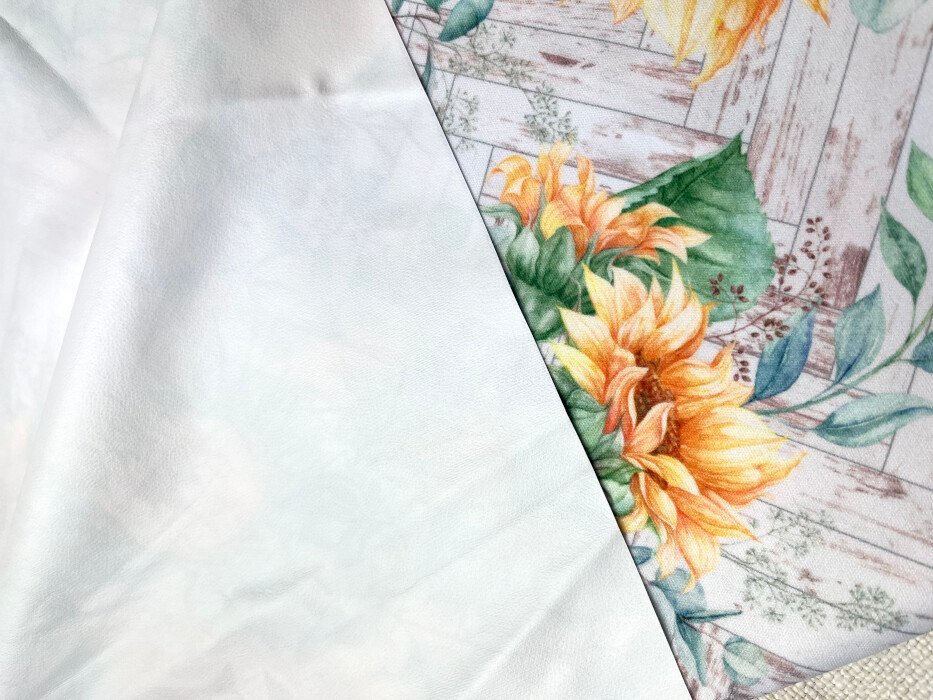
PUL is undoubtedly the most popular backing materials for sanitary pads when you consider what is available on the market. Pretty much all the retailers sell pads with this fabric. To understand it why, you need to look at what it is. PUL is a polyester interlock fabric with a thin water resistant coating thermally applied on the reverse (think clear swimwear elastic). This is what reusable nappies and wet bags are made out of; and, while most pads are solid colours, the PUL can be printed in the most dazzling and pretty prints.
PUL is also one of the easiest backing fabrics to start with if you are learning how to sew reusable pads because it creates a very reliable moisture barrier even in simpler pad constructions.
If you are still deciding what absorbent core to pair with PUL, have a look at my guide to absorbent materials for reusable pads where I compare bamboo, cotton, hemp, and Zorb in detail.
It is very reliable at preventing moisture from penetrating through the pad backing. Unless you completely drench it, which is highly unlikely for menstrual or maternity pads. For these you would first see leaking sideways before getting your knickers stained. Blood is more viscous than water, so you do not really need PUL for both the sanitary and maternity pad, but I would recommend it for heavy incontinence pads.
On the flip side of being reliable, the pads take longer to dry. If you have plenty enough, that may not be an issue. However, I like my pads to dry within the same day on the clothes line, so I no longer make sanitary pads with PUL. Additionally, some users report that the pad with PUL backing slip around as you move. I personally have not experienced it, but my guess is that it depends on the underwear. An undergarment made of polyester or thin cotton would be too slippy, reducing the friction and allowing the free movement.
Best for: Heavy menstrual flow, heavy incontinence pads, users wanting maximum leak protection.
Avoid if: You dislike synthetic fabrics, struggle with slow drying laundry, or live in very hot climates.
My verdict: Reliable and widely available, but no longer my personal favourite for everyday menstrual pads because of the drying time and reduced breathability.
Softshell Fabric
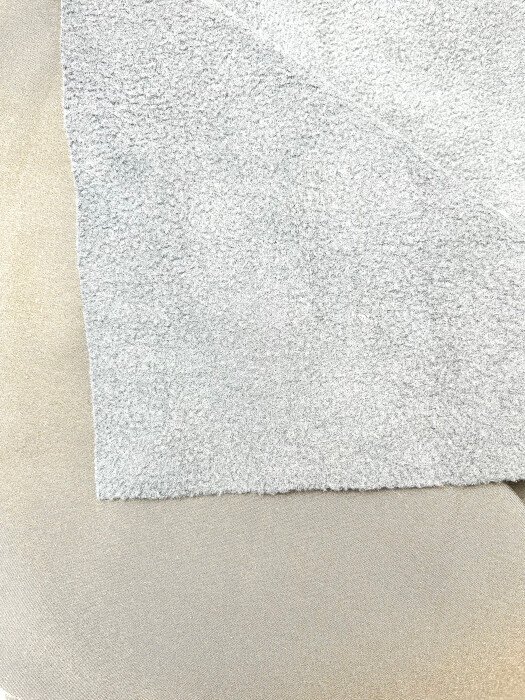
I moved to softshell after my initial experiments with PUL. Softshell is very similar to PUL in that you have a water resistant layer. Most online fabric shops describe the softshell as a material that is made of two layers, however my experience with the fabric is somewhat different. I would described it as a three-layer material, with a water resistant PU layer in the middle, sandwiched between an outer polyester interlock and polyester fleece linings.
In a nutshell, I would use it to replace the PUL, to negate the slippiness of the PUL, as I would use the softshell fleece layer as “right” side of the fabric. It is still quite warm in hot climate and takes as much time as PUL to dry. This is another backing material I would suggest to use for reusable incontinence pads.
Best for: Users who want the protection of PUL with slightly more grip and structure.
Avoid if: You prioritise fast drying or lightweight pads.
My verdict: A good alternative to PUL, particularly for heavy-duty pads, though still warmer and slower drying than fleece options.
Polar Fleece
Polar fleece backed pads do not slip around and are quicker to dry. This is the most common and popular backing material for reusable pads in the handmade market. While it is not water resistant as PUL and softshell, somehow there are no leaks even on heavy days!
Polar fleece is double thickness polyester fleece that is used to give extra warmth to the garment made out of it. Therefore, it retains the warmth on scorching days. I liked to use it but I found the fabric to be a little too thick for my liking, adding unnecessary bulk to the pads, especially when compared to the PUL backed pads.
Best for: Heavy menstrual flow and users wanting breathable leak protection.
Avoid if: You prefer very thin pads or dislike bulky fabrics.
My verdict: Surprisingly effective despite not being technically waterproof, but thicker than I personally prefer.
Antipill Fleece
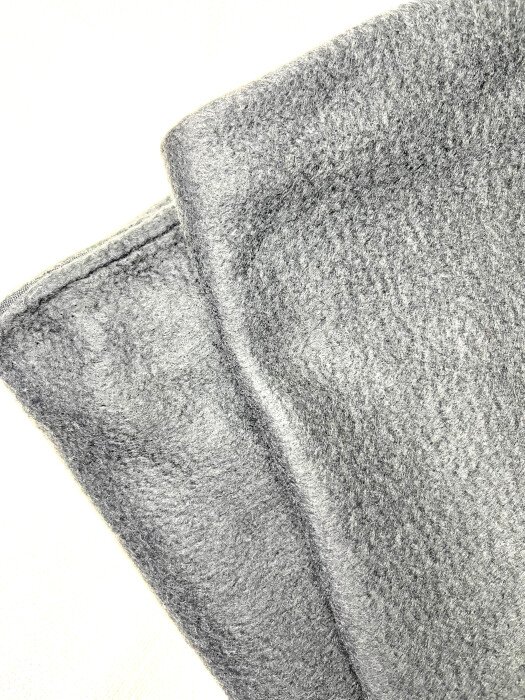
To cut down on the bulk of polar fleece, I tried just a standard microfibre fleece. Oh boy! Isn’t this a dream! Just like Polar fleece, it performs surprisingly well at preventing leaks but it comes with additional benefits – it is cheaper, more widely available material, it is thinner and if you thought that Polar fleece dries quickly, then this one is even better. The quicker drying time also makes a noticeable difference when paired with highly absorbent natural fibres such as bamboo fleece or cotton Terry.
Antipill fleece ended up being one of the most practical reusable pad backing fabrics I tested. I have not tested it one the incontinence pads but you could use it on light incontinence or adding extra absorbent layer for added security. Where Polar fleece would have given an extra bulk, you can use micro fleece and thicker absorbency options to get the same thickness but more reliable pad.
This is also the backing fabric I would recommend most beginners try first when sewing reusable pads because it is forgiving to sew, dries quickly, and creates a comfortable everyday pad without too much bulk.
Best for: Everyday reusable menstrual pads and maternity pads.
Avoid if: You need maximum protection for severe incontinence.
My verdict: One of the best all-round options I have tested thanks to the combination of breathability, low bulk, affordability, and quick drying.
Cotton Sweatshirt and French Terry
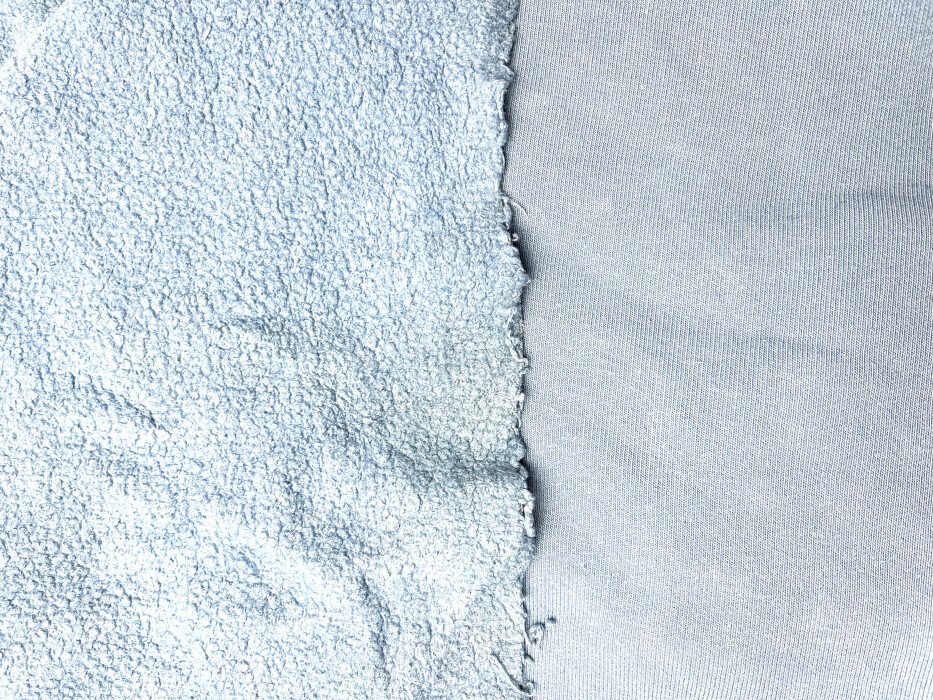
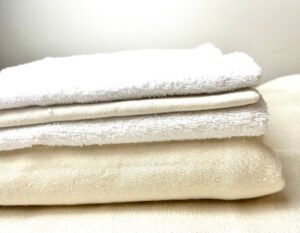
And my final recommendation for the backing material for reusable pads is cotton sweatshirt (aka combed cotton Terry) or a cotton French Terry. In a chronological order this was the last material that I tried and used on all the additional pads that I needed for the postpartum care.
While I accepted that it may come with a risk, considering the intended use, I was certain that it will work, especially that I would be staying at home for most part of the six weeks after the arrival of the baby. You see, I was adamant that I wanted all natural solution to help with post pregnancy recovery and to reduce the impact on the plant. I also used this combination in my postpartum reusable pad sewing projects because I found the softer natural fibres much more comfortable during recovery. In practice, the fabric performed far better than I initially expected.
As this material is also absorbent, it gave additional fabric to soak up the discharge. It washed wonderfully, dried quickly and did not leak. Ok, maybe a little staining but that was sort of expected. But all in all, outperformed all the disposable options I tried after the arrival of my first baby.
Best for: Natural fibre reusable pads, postpartum recovery, moderate flow.
Avoid if: You need guaranteed waterproof protection.
My verdict: My personal favourite for postpartum pads because of the comfort, breathability, and reduced reliance on synthetic fabrics.
Reusable Pad Sewing Series
This post is part of my reusable pad drafting and sewing series, where I break down the entire process step by step — from choosing materials to sewing finished menstrual and postpartum pads.
- How to Draft reusable Sanitary Pad
- How to Sew Reusable Sanitary Pad
- Backing Materials for Reusable Pads (this post)
- Absorbent Materials for Reusable Pads
- Top Layer Materials for Reusable Pads
- Closure Options and Materials for Reusable Pads
How to Choose the Best Backing Fabric for Reusable Pads
The best backing fabric for reusable pads depends largely on how the pad will be used and which features matter most to you.
For heavy menstrual flow, I would generally recommend one of the synthetic backing options paired with a suitable absorbent core. PUL, softshell, polar fleece, and antipill fleece all perform well when combined with absorbent fabrics such as bamboo, cotton, or hemp. The main difference comes down to whether you prioritise maximum leak resistance or better breathability and drying speed.
For reusable incontinence pads, PUL and softshell are usually the most reliable options because they provide the strongest moisture barrier. While fleece-backed pads perform surprisingly well for menstrual flow, heavier incontinence tends to benefit from the added security of a waterproof layer.
For postpartum reusable pads, I personally found natural fibre options such as cotton sweatshirt and French terry much more comfortable. During postpartum recovery you typically change pads frequently for hygiene reasons anyway, so maximum waterproofing becomes less important than softness, breathability, and comfort against sensitive skin.
If you live in a hot climate or struggle with overheating, natural fibres and fleece-backed pads are often noticeably more comfortable than fully waterproof synthetic options. Fabrics that trap less heat can make a significant difference during summer weather or long wear.
For the fastest drying reusable pads, antipill fleece, polar fleece, cotton sweatshirt, and French terry are all excellent choices. Because they do not contain a waterproof laminate layer, they tend to air dry much faster than PUL or softshell pads, especially on a clothes line.
Frequently Asked Questions About Reusable Pad Backing Fabrics
Conclusion
After testing a wide range of reusable pad backing materials, I have come to the conclusion that there is no single “perfect” option — only the option that best matches your priorities.
If maximum leak protection matters most, PUL and softshell remain the most reliable choices, particularly for heavy incontinence pads. If comfort, flexibility, and quick drying are higher on your list, fleece-backed pads are hard to beat. And if you prefer breathable natural fibres, cotton sweatshirt or French terry can work surprisingly well, especially for postpartum recovery and moderate menstrual flow.
What surprised me most throughout this process was how much real-life comfort depended on factors that rarely get discussed: drying time, heat retention, fabric bulk, and how the pad behaves after repeated washing.
My biggest recommendation is not to chase perfection immediately. Start with the fabrics you already have access to, test what works for your body and climate, and adjust from there. Reusable pads are highly customisable, and often the best-performing designs come from practical experimentation rather than following a single “correct” formula. And once you understand how different fabrics behave, sewing reusable pads becomes far less intimidating because you can customise the construction to suit your own comfort, climate, and absorbency needs.
About the Author: Pattern Drafting & Garment Sewing

I’ve been sewing for over 30 years and drafting my own patterns for more than a decade. I work almost exclusively with self-drafted patterns, which means I don’t rely on instructions—I rely on understanding how garments fit and come together.
Most of my methods come from figuring things out through testing, adjusting, and breaking down common problem areas using logic and geometry rather than guesswork.
On this site, I share step-by-step tutorials on pattern drafting, garment construction, and sewing techniques to help you create well-fitted, professional-looking clothes from scratch.
👉 Read more about my approach to pattern drafting and sewing here: About Me